A guide to Kyrgyzstan: what to eat in the land of nomads
When you
visit Kyrgyzstan, you’re not just visiting stunning mountains and crystal lakes — you are entering a country where hospitality is a way
of life, where food is the center of every connection. Inspired by the nomadic
heritage and Central Asian flavors, Kyrgyz cuisine is very heart and heavy,
full of comfort.
Here’s your
guide to what you should be consuming while on the road in Kyrgyzstan:
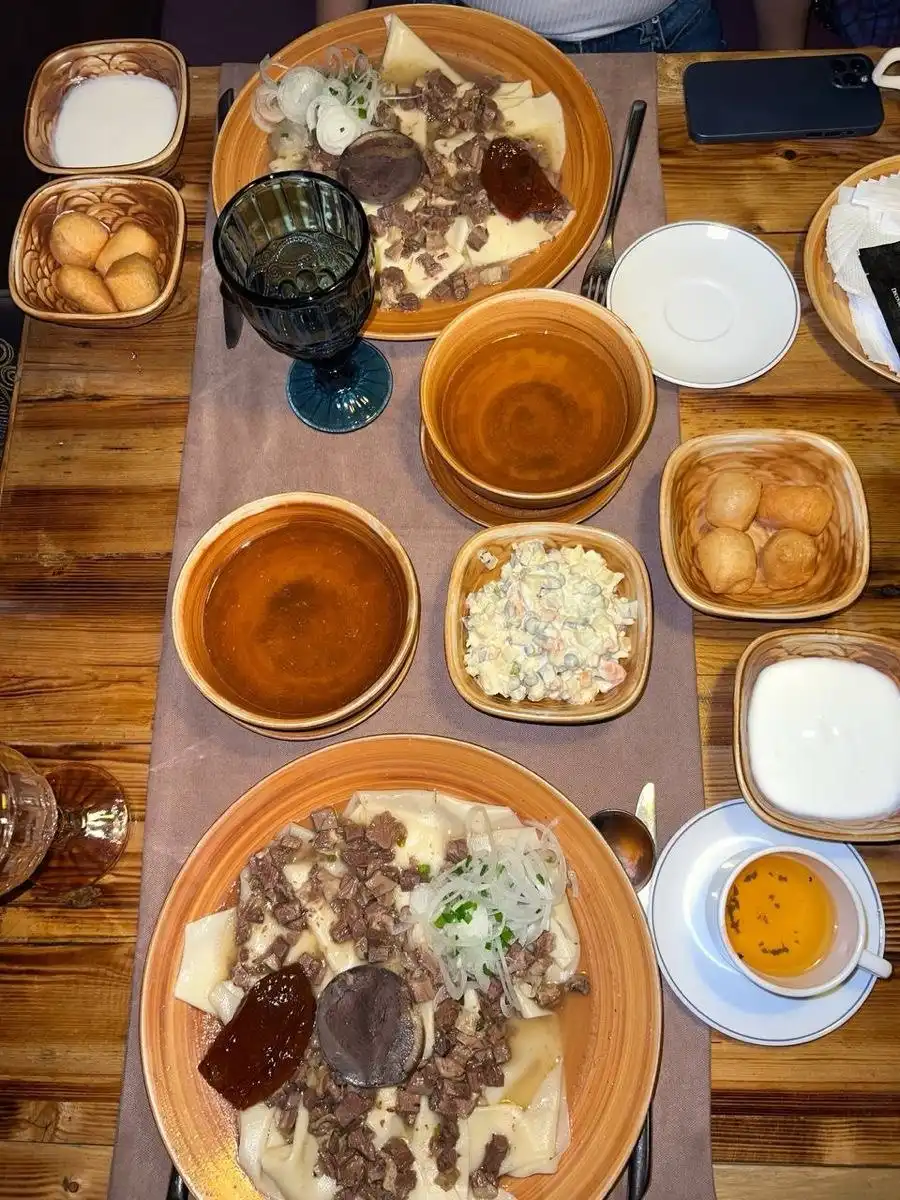
Beshbarmak
– “Five Fingers”. Beshbarmak
– Kyrgyzstan This is Kyrgyzstan’s national dish of boiled meat (like lamb or
beef or horse meat ) that is then placed on either homemade noodles or flat
pastry with hot onion water poured over the lot of it. This dish is
traditionally consumed with the hands (hence the name). It is served at
celebrations and signifies the spirit of sharing. Where to taste it: At
homes, yurt stays, or traditional restaurants.
Lagman - a
noodle soup. Lagman
is a savory hand-pulled noodle dish that contains tomatoes, bell peppers,
garlic, and beef in a flavorful broth. It can be found stir-fried (guiru
lagman) or as a soup (shorpo lagman). It is popular throughout Central Asia and
is flavorful and filling. Pro tip: Try
it in Osh and Karakol; each region has its own version and taste!
Manty - steamed dumpling. After
being filled with minced meat, onions, and spices, these big, juicy dumplings
are going to be steamed. Manty are a mainstay of Kyrgyz comfort food, typically
served with tomato sauce, vinegar or
sour cream. Vegetarian tip: Some areas serve versions with potatoes or pumpkin!
Plov
(paloo)- rice dish. Plov, also called paloo in
Kyrgyzstan, is a rice dish that is typically prepared in a large kazan (iron
pot) with meat, carrots, onions and oil. It is essential for family
get-togethers, weddings and funerals. Easy yet incredibly fulfilling. Tea and
tomato salad go well with it.
Meat
kebab or shashlik. Shashlyk
will be your first choice if you enjoy meat! These spice-marinated lamb, beef or
chicken on skewers are cooked over open
coals. Popular in roadside cafes, it is served with flatbread (lepyoshka) and
fresh onion rings.
Kurut: balls
of salty cheese. These
tiny, firm dried yogurt balls are frequently carried on hikes or consumed as a
snack. Kurut is a salty, tangy and very traditional dish that may surprise you.
You might love it…..or you might just give it a try.
Boorsok:
fried dough. Boorsok
are served with tea or with main courses and are light, fluffy pieces of
deep-fried dough. They are frequently the first food offered when you walk into
a Kyrgyz home and are a sign of hospitality. Every family cook boorsok for different occasions.
Tea
Culture: it's not just a drink. In Kyrgyzstan, tea is more than just a drink, it's considered as a
custom. Typically served with sugar, jam or even in some areas with cream,
black or green tea is always offered warm. If you are served tea multiple times
throughout the day, don't be shocked!
The nomadic way of life has a big impact on Kyrgyz cuisine. In the past, nomads had to have simple, nourishing and long-lasting food because they traveled with their herds. Because of this there are a lot of dishes that are meat, dairy and dough-based; these are high-energy, useful meals that are ideal for a busy lifestyle. Before refrigeration, food was traditionally preserved by fermentation and drying (as in the case of kurut and kymyz).
The Culture of Meat
Meat is
king in Kyrgyzstan. The most popular meats are beef, horse and mutton (lamb).
Horse meat is regarded as a delicacy and is used in special dishes like kazy
(fatty horse sausage) and chuchuk (horse sausage), which are frequently served
on special occasions or to honor notable visitors. Fun Fact: the way a horse or
any other animal, like sheep is killed and distributed among the guests has symbolic meaning in nomadic cultures. As a
sign of respect, some portions are given to guests or elders.
Fermented foods and dairy products
Particularly
during the summer months when herders relocate to the jailoo (summer pastures),
Kyrgyzstan has a strong milk and yogurt culture. There, you'll discover:
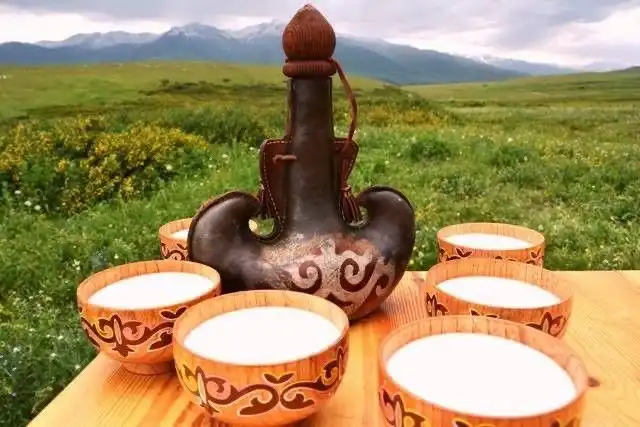
Kymyz is
fermented mare's milk.
Chalap is a
chilled, salty yogurt beverage.
Sary mai –
yellow, homemade mountain butter
Food by region
Plov, samsa
(meat-filled pastries), fresh naan bread, spices and fruit are all abundant in
the South (Osh, Jalal-Abad), which has a strong Uzbek influence. Osh is
renowned for having Kyrgyzstan's best plov.There is more Kyrgyz and Russian
fusion in the north (Bishkek, Chui, Issyk-Kul), with dumplings, soups, stews and baked goods like pirozhki.
More
emphasis is placed on meat, dairy and traditional nomadic foods like boiled
meats, kurutin mountainous regions (Naryn, At-Bashy, Kochkor).
Traditions & dining etiquette
Being
hospitable is sacred. It's common to be offered tea and bread right away and it's considered impolite to decline. The best
meat cuts are served to guests, occasionally accompanied by a customary toast
or blessing. Never turn bread (nan or lepyoshka) upside down or discard it.
Always wash your hands before eating.

When you visit Kyrgyzstan, you’re not just visiting stunning mountains and crystal lakes — you are entering a country where hospitality is a way of life, where food is the center of every connection. Inspired by the nomadic heritage and Central Asian flavors, Kyrgyz cuisine is very heart and heavy, full of comfort. Here’s your guide to what you should be consuming while on the road in Kyrgyzstan!
VIEW PROFILE →