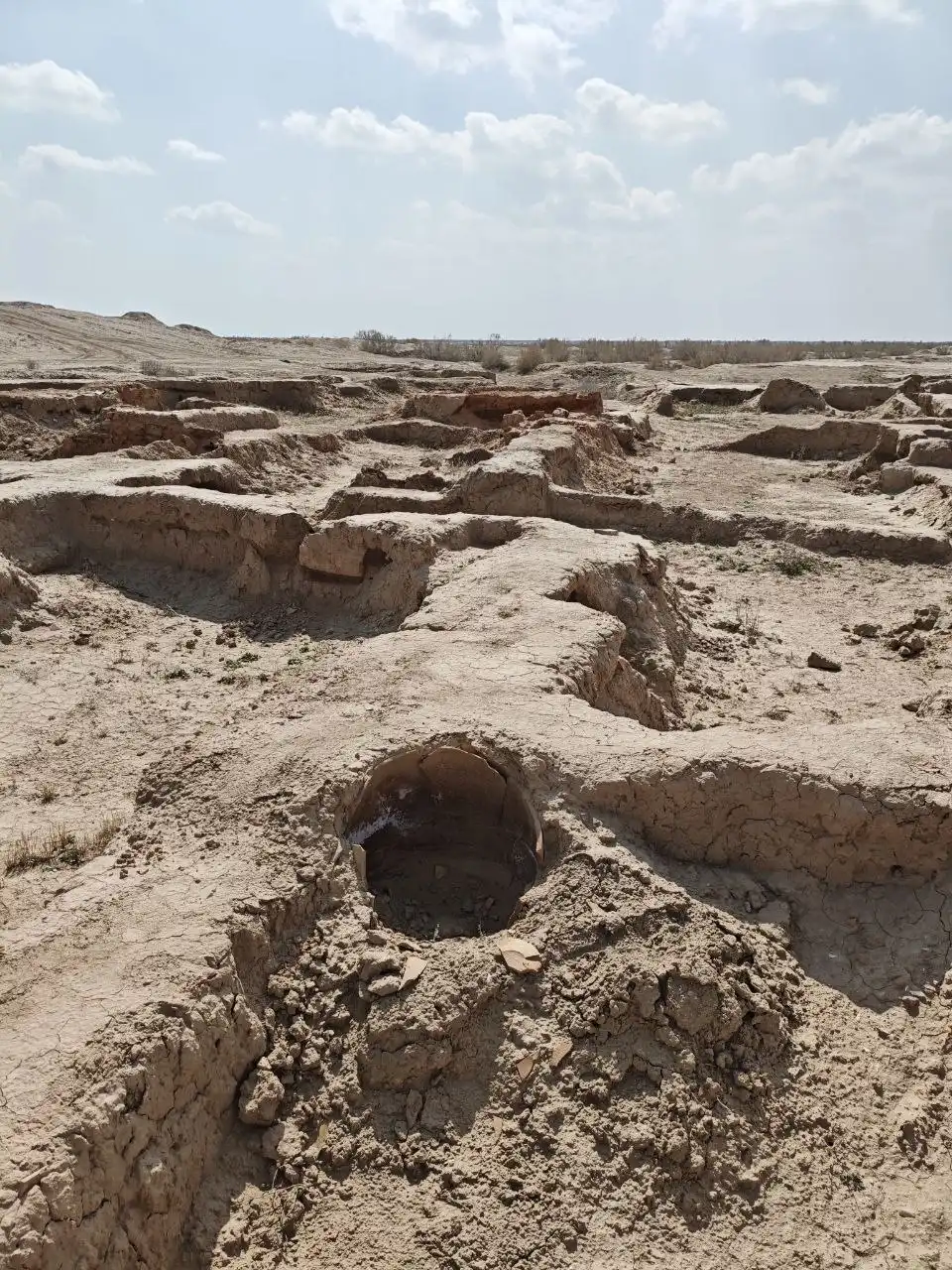
Standing amidst the vast, silent expanse of Turkmenistan's Karakum Desert, I recall a moment when my understanding of ancient history shifted forever. It was at Gonur Depe, a place that doesn't often feature on mainstream travel itineraries, yet holds the remnants of a powerful Bronze Age city that flourished over 4,000 years ago. This wasn't just another archaeological site; it felt like stepping into a forgotten world, a magnificent civilization almost erased by the sands of time.

Discovering a Bronze Age Enigma
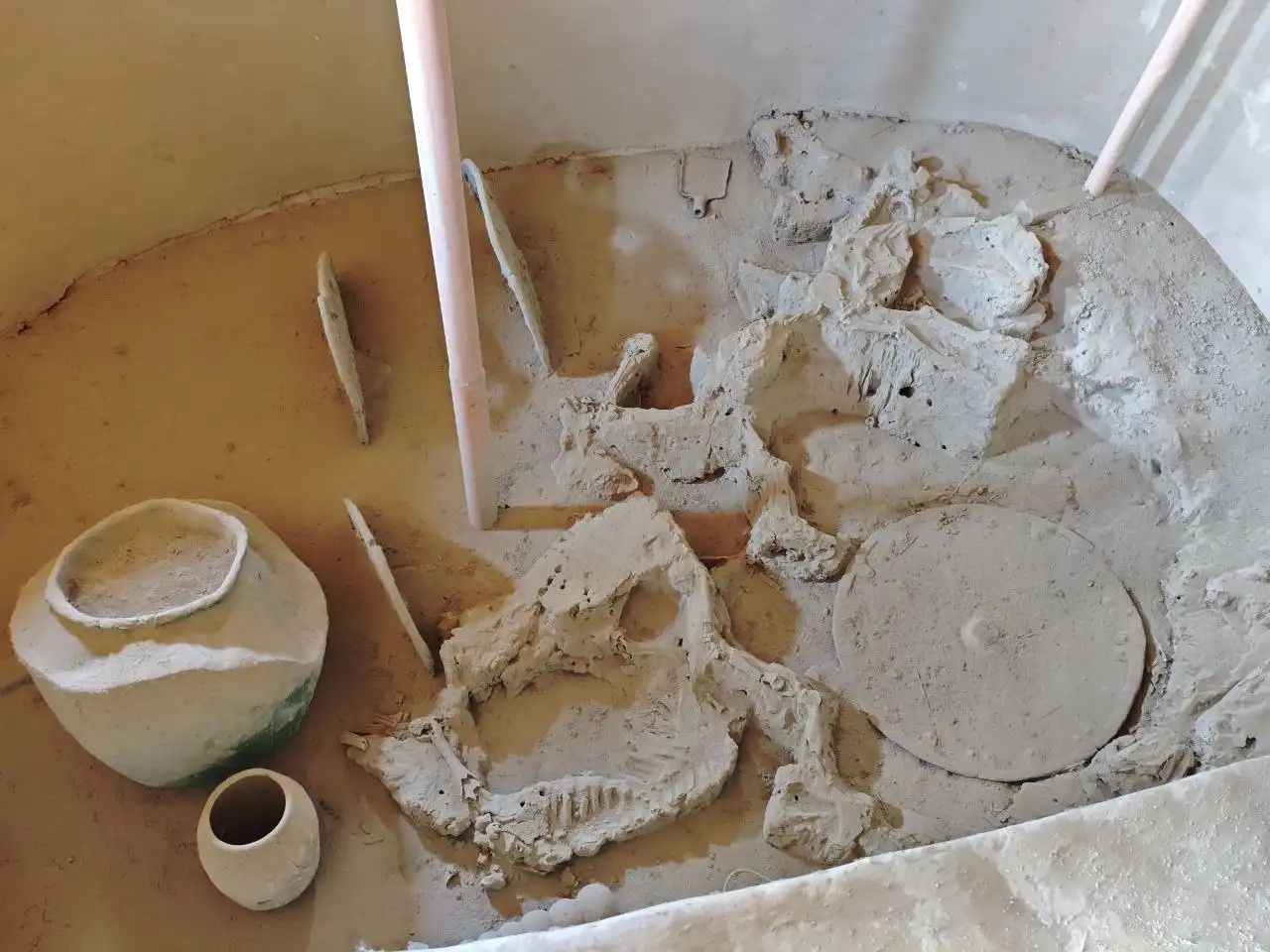
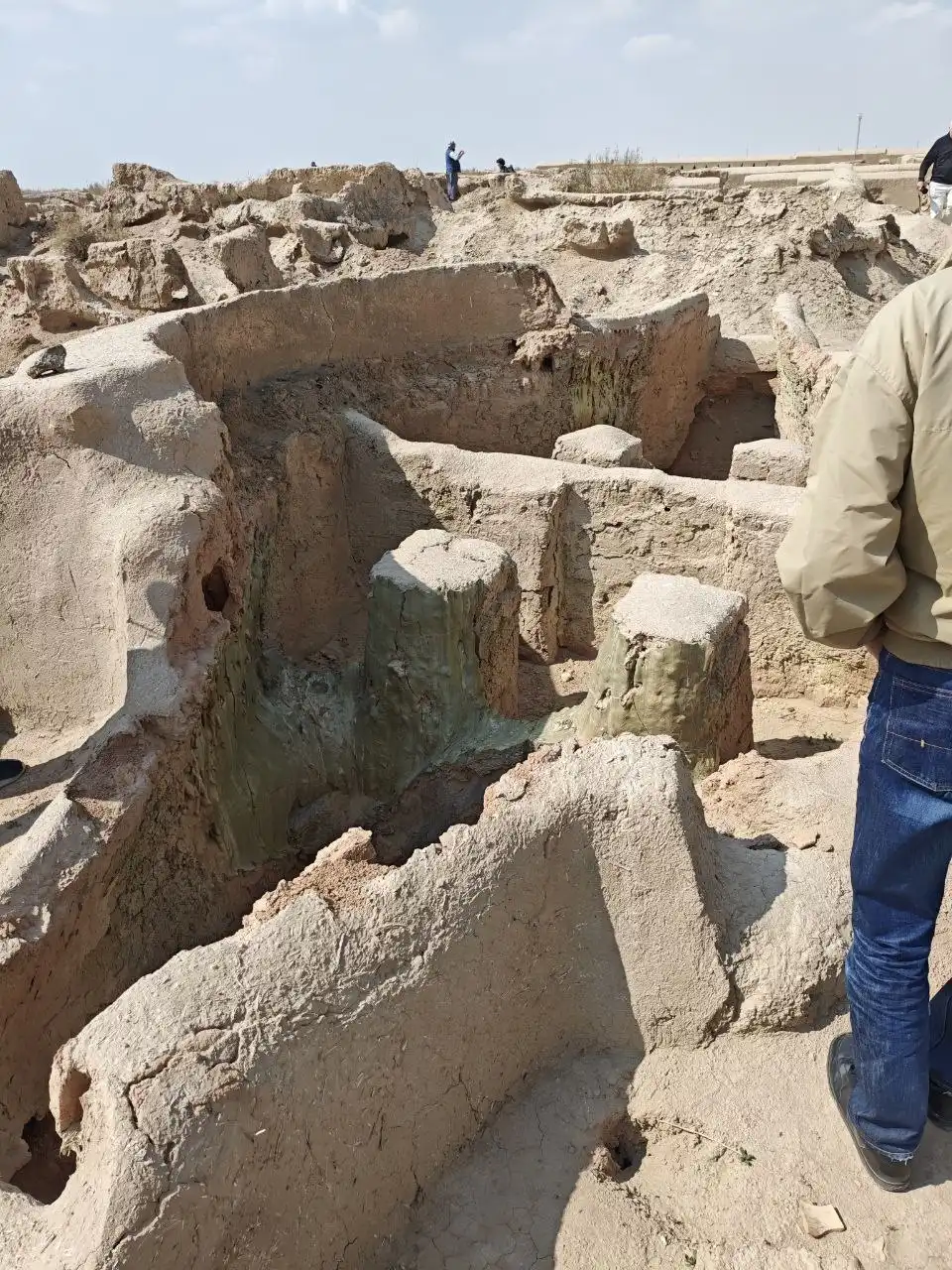
Gonur Depe, sometimes referred to as the "fifth civilization" alongside the likes of ancient Egypt and Mesopotamia, is the heart of what archaeologists call the Bactria-Margiana Archaeological Complex (BMAC). This sophisticated culture thrived between 2200 and 1700 BC in what is modern-day Turkmenistan, Afghanistan, Uzbekistan, and Tajikistan. The pioneering work of Soviet archaeologist Viktor Sarianidi brought Gonur Depe to international attention, revealing a meticulously planned city complete with a grand palace, temples, fortifications, and even evidence of early irrigation systems.
What makes Gonur Depe so compelling is its sheer scale and the level of societal organization it represents, millennia before many of the more famous empires we study today even began to take shape. It’s a testament to human ingenuity and the capacity for complex urban development in seemingly harsh environments. Visiting Gonur Depe is to journey back to an era when this desert was perhaps greener, a lifeline for an advanced society that mastered its surroundings.
Walking Through Echoes of a Lost City
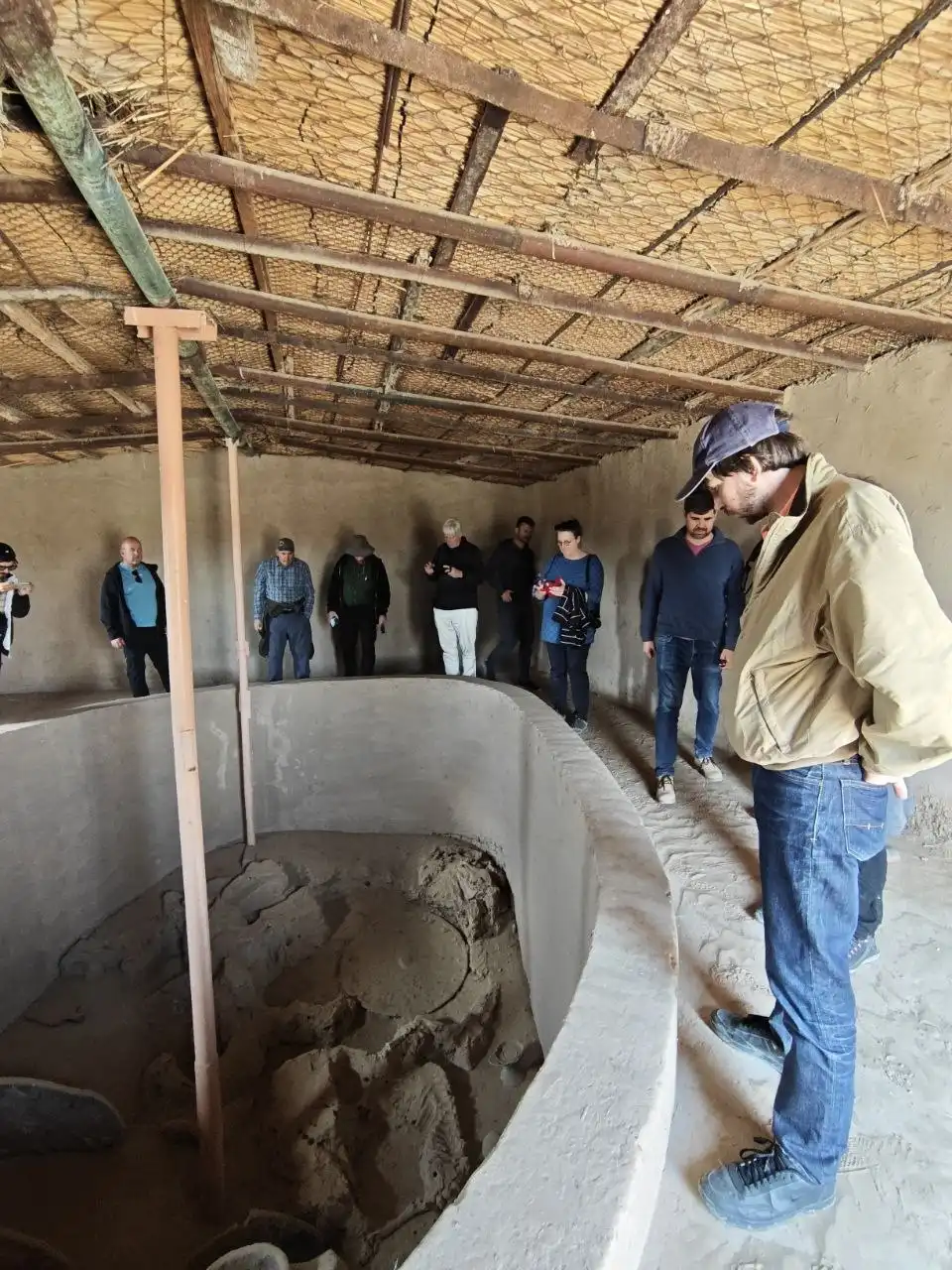
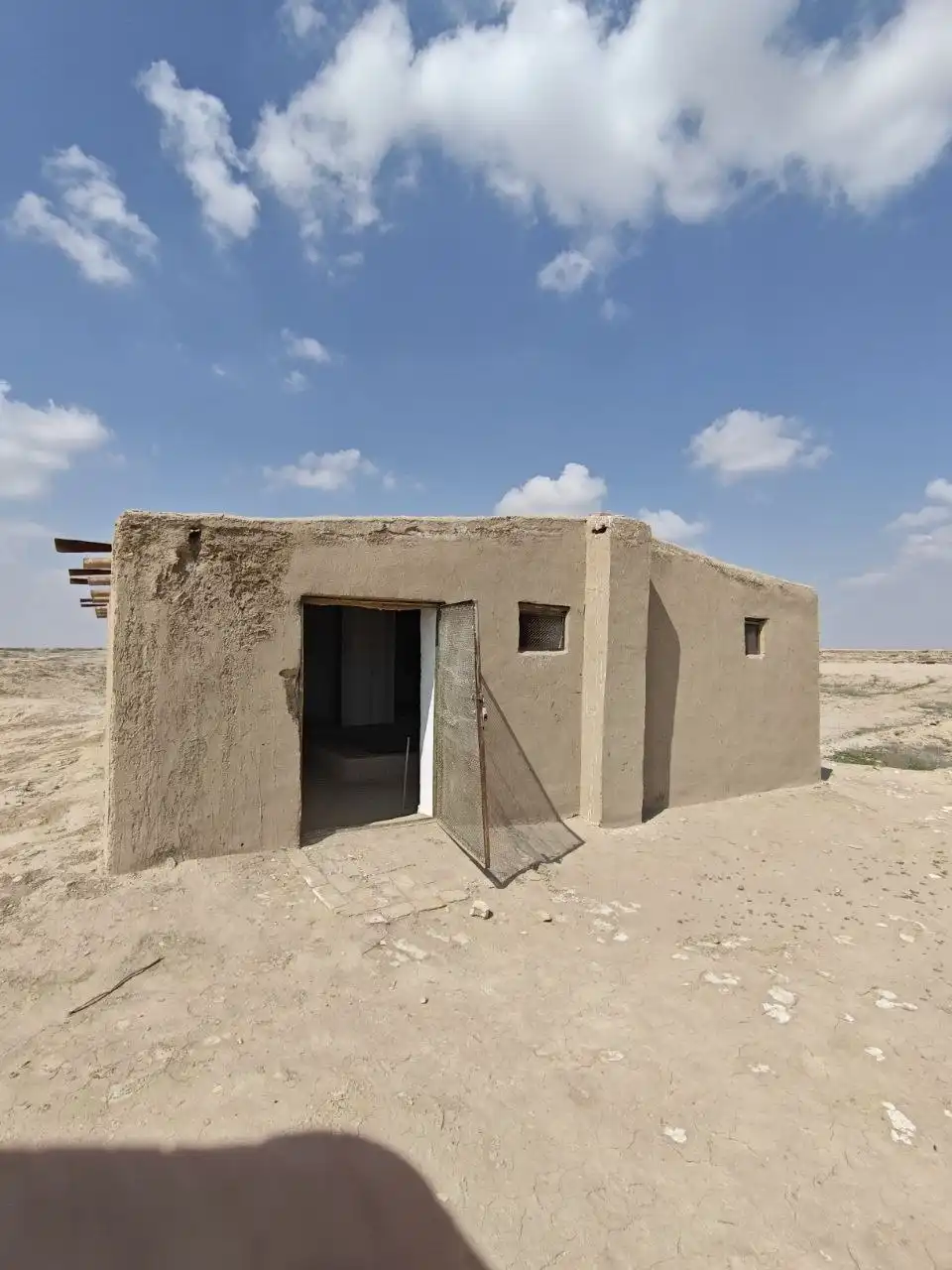
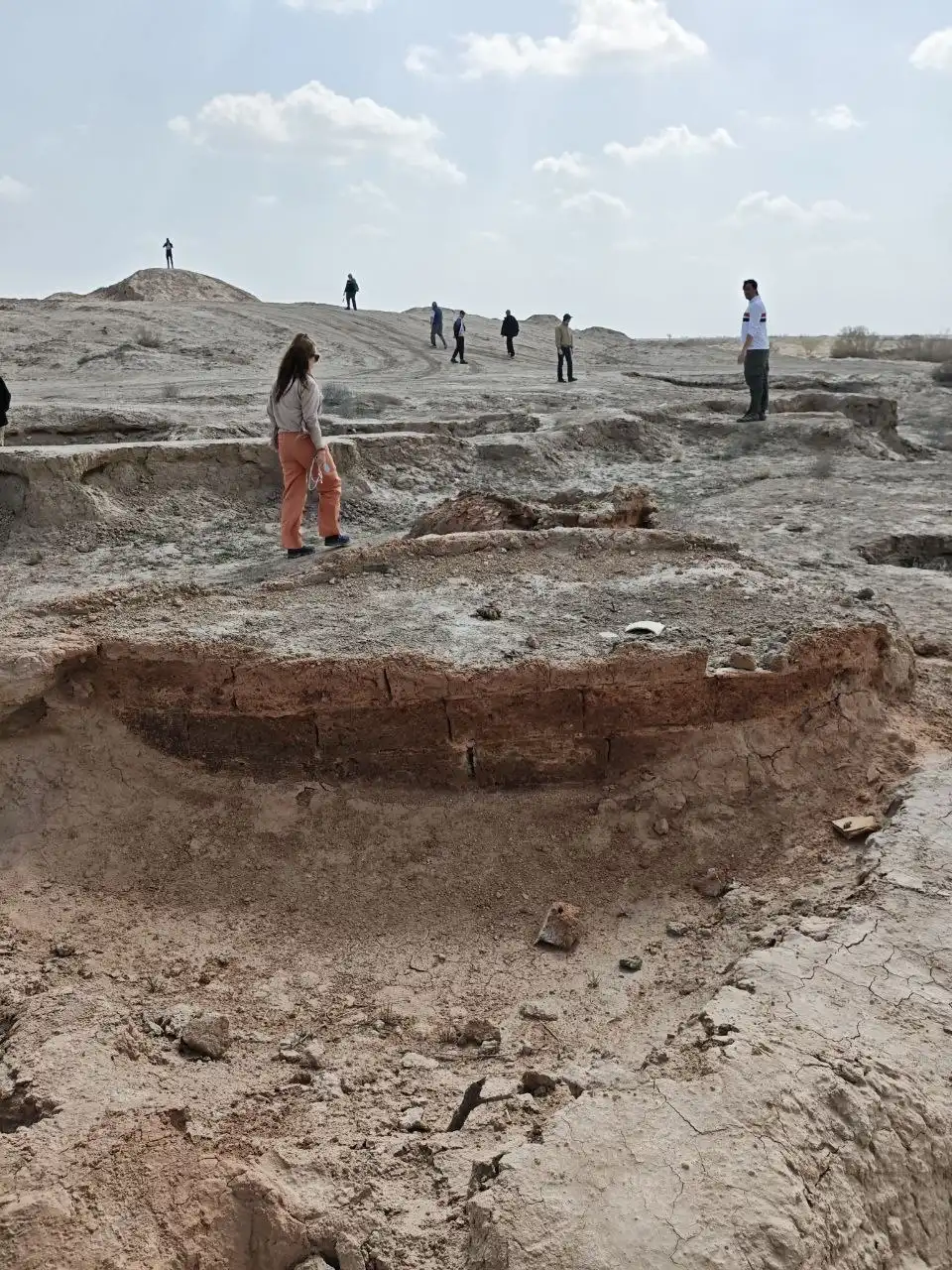
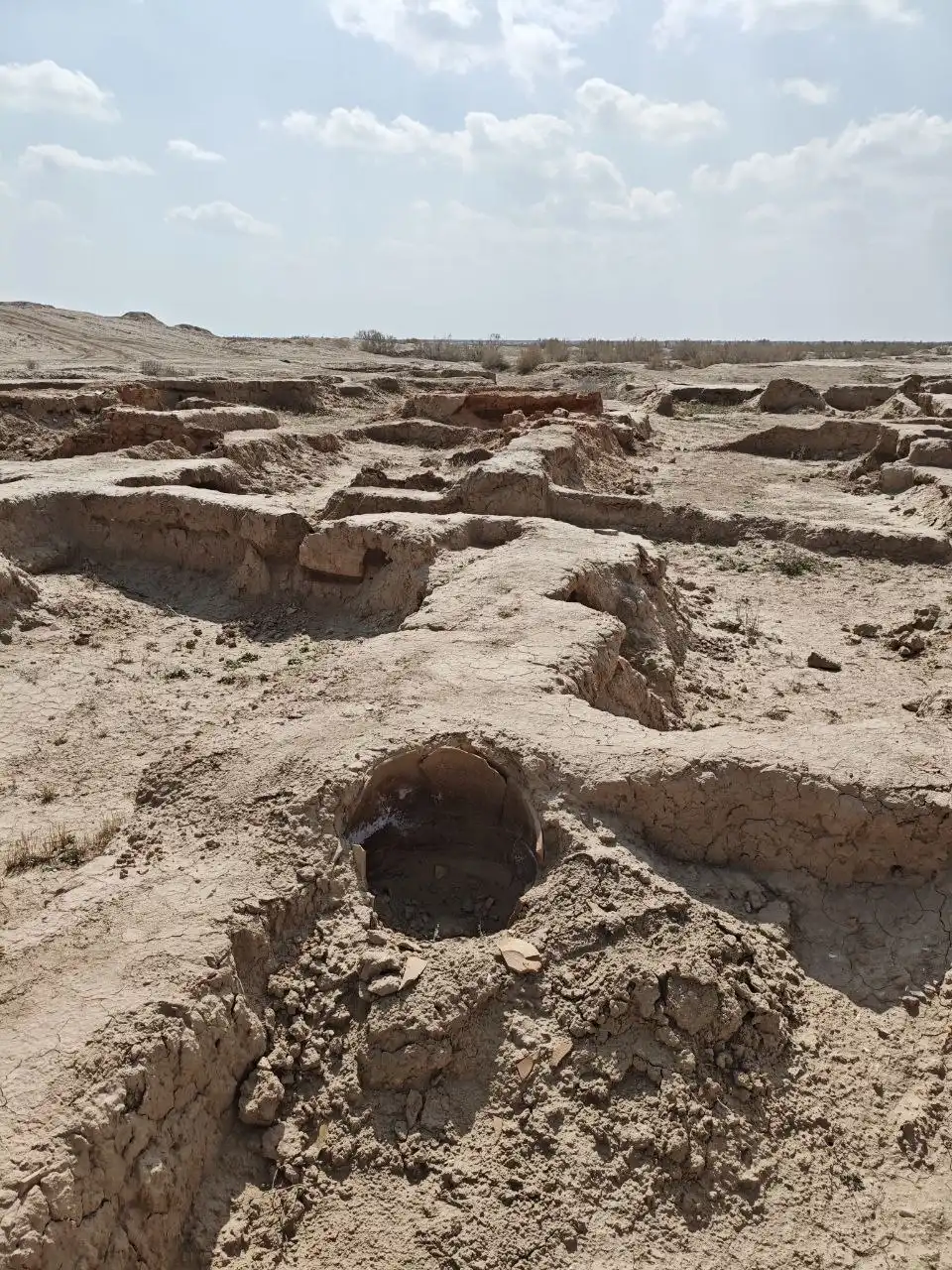
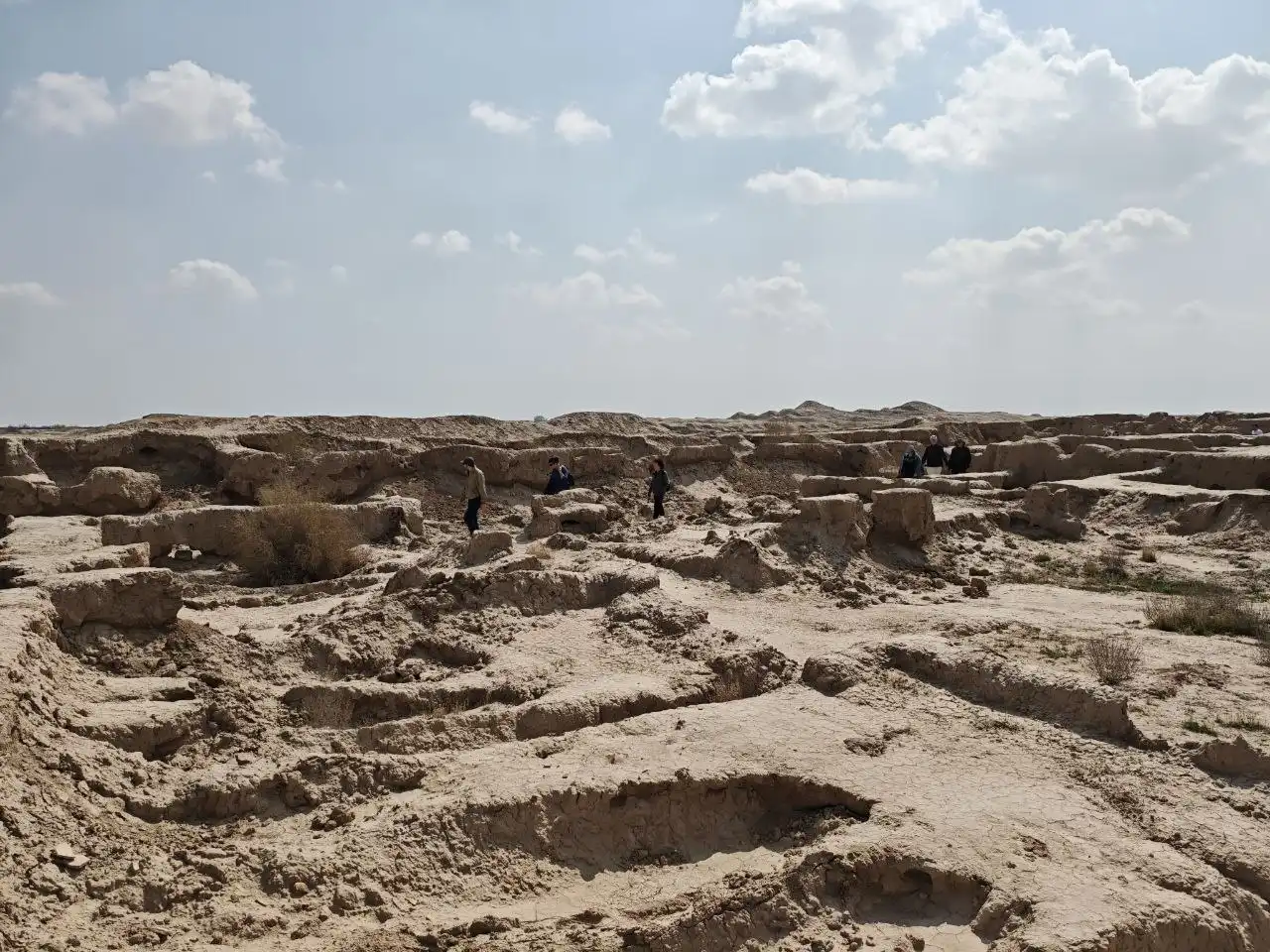
During my visit, the most profound experience was walking through the remains of these ancient structures. I traced the outlines of crumbling walls, envisioned the bustling life within the palace foundations, and stood in what were once sacred ceremonial spaces. The central complex, in particular, left an indelible mark. As I stood there, surrounded by the ghosts of a forgotten metropolis, the realization of just how advanced this civilization was struck me with potent force.
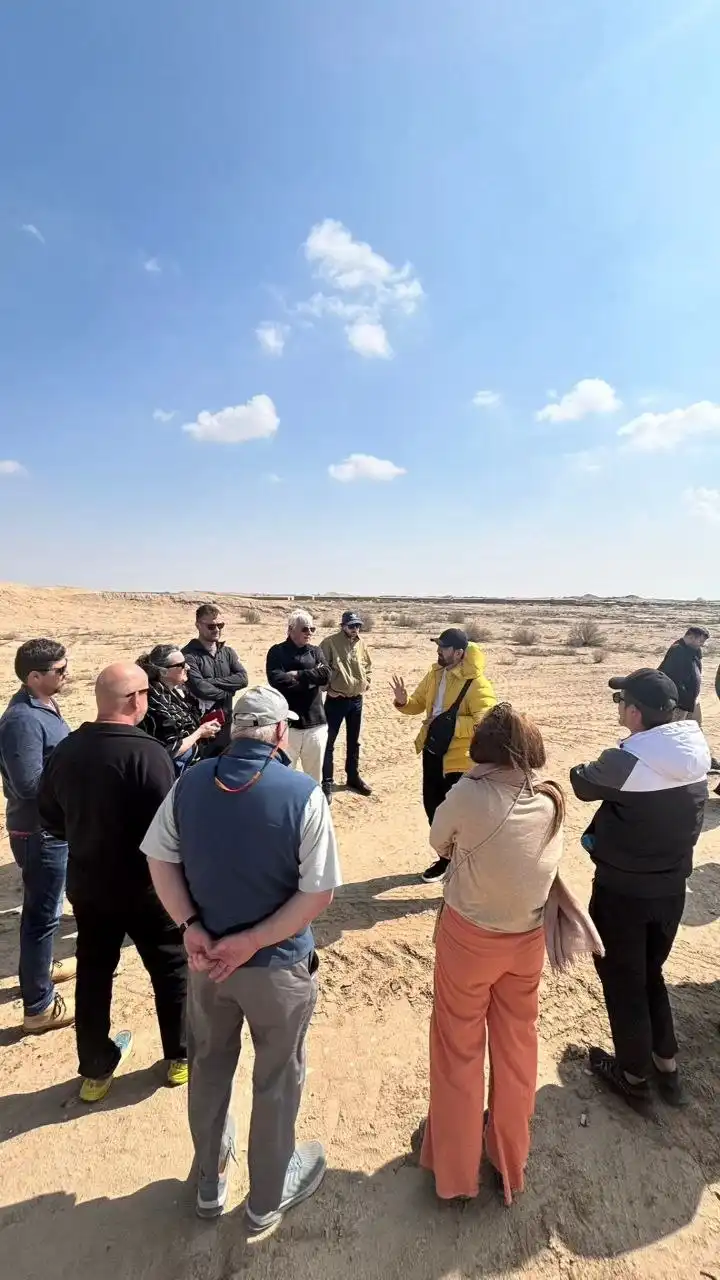
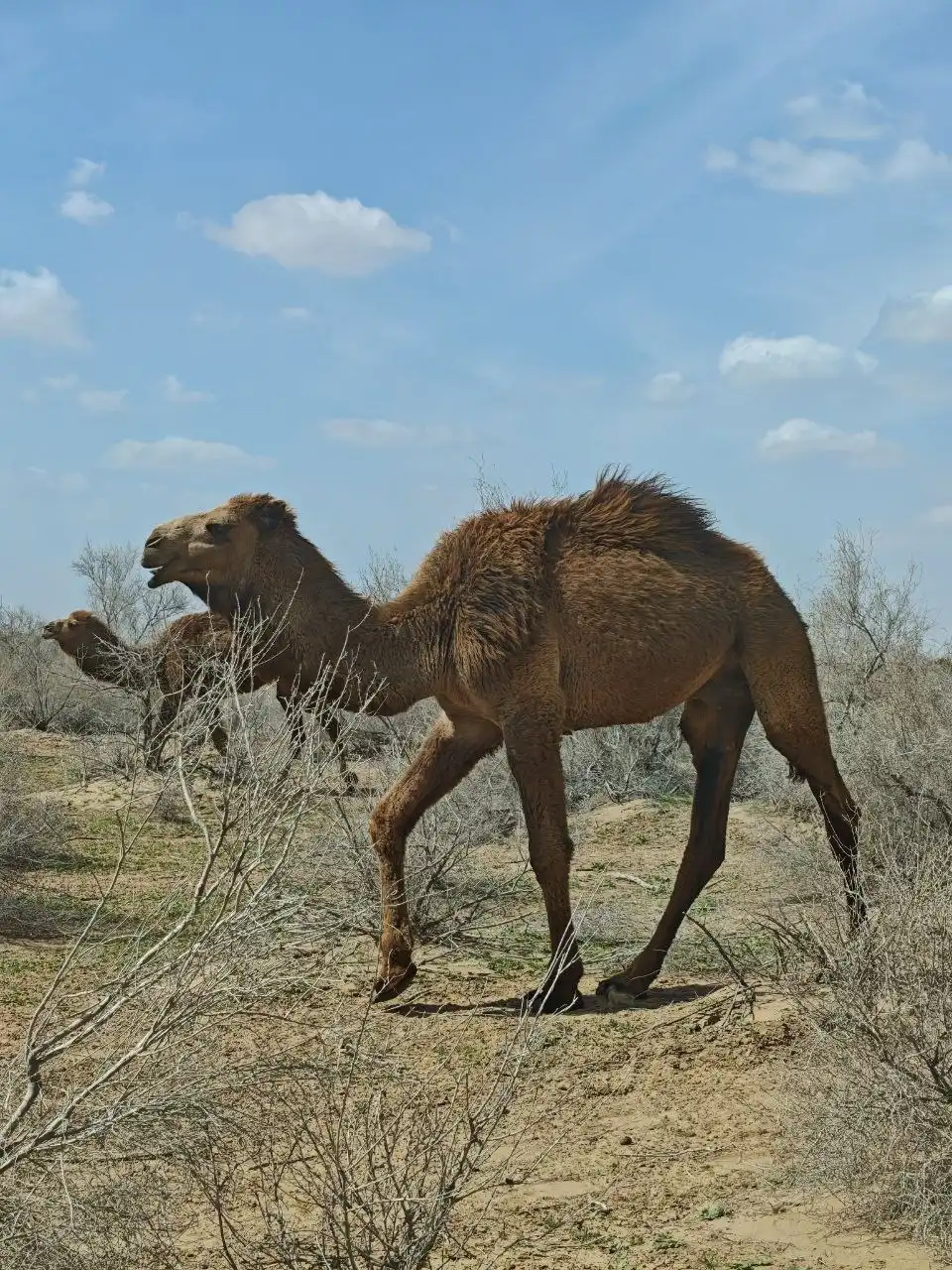
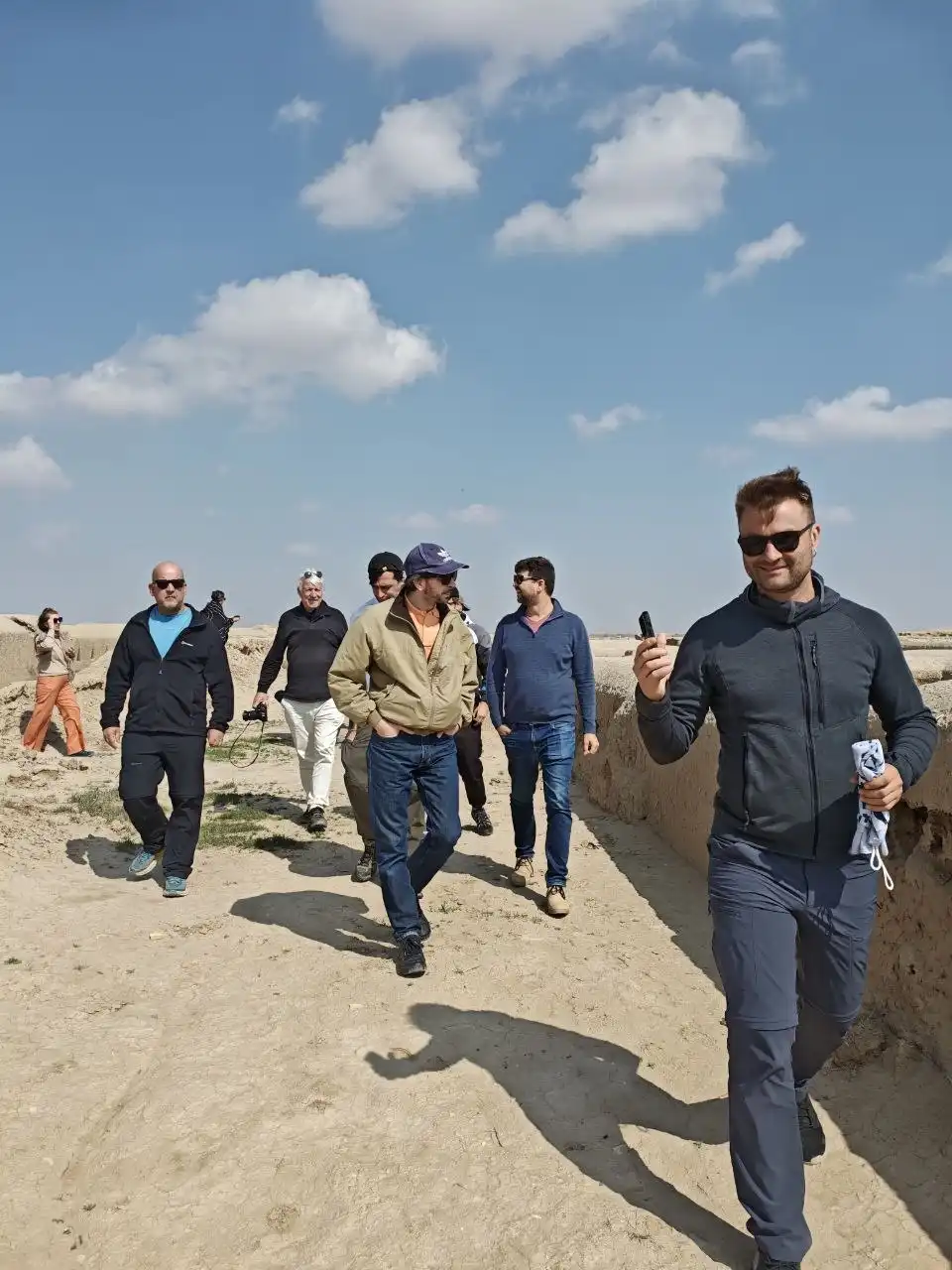
It was a solitary experience, free from the clamor of crowds. Our small group, guided by a knowledgeable local expert, moved reverently through the dusty avenues. The guide painted vivid pictures of life here, breathing life into the silent stones and helping us understand the intricate archaeological context of what we saw. Occasionally, the graceful flight of desert birds overhead or the gentle rustle of wind through the sparse vegetation were the only sounds, adding to the almost surreal atmosphere.
A Symphony of Silence in the Karakum
The sensory experience of Gonur Depe is as vital as its historical significance. The air was dry and warm, carrying the distinct, earthy scent of desert dust and ancient sand. But above all, it was the silence that permeated everything. This wasn't just an absence of noise; it was a powerful, enveloping silence that deepened every step, every glance. It allowed for introspection, for a profound connection to the passage of time.
Looking out across the endless horizon, the landscape unfolded in a mesmerizing palette of golden and grey tones, blending seamlessly into the vastness of the Karakum. The sheer scale of the desert made the remnants of Gonur Depe feel even more poignant – a testament to human endeavor standing resilient against the relentless forces of nature. It felt as if the site itself was still breathing, whispering stories carried on the wind.
A Personal Journey Through Time
For me, Gonur Depe transcends being merely an archaeological curiosity. It's a powerful reminder that some of the world's greatest civilizations and most significant historical narratives are still hidden, awaiting full recognition and understanding. It’s not (yet) a UNESCO World Heritage Site, but its history is arguably older and deeper than many celebrated locations. This disconnection between its profound importance and its relative obscurity makes the experience of visiting Gonur Depe even more special.
It represents discovery – not just of ancient artifacts, but of a connection between a modern traveler and a lost world that continues to reveal its secrets. It challenges preconceived notions of history and encourages a deeper appreciation for the diverse tapestry of human civilization. To stand at Gonur Depe is to participate in an ongoing journey of uncovering, a truly unique opportunity for those seeking to delve into the very origins of our shared past.
Planning Your Visit to Gonur Depe
Exploring Gonur Depe is an adventure into the heart of Turkmenistan’s rich history and stunning desert landscapes. Here’s what you need to know for a smooth and memorable journey:
Location and Access
Gonur Depe is situated deep within the Karakum Desert, in Turkmenistan’s Mary Region. Due to its remote location and the need for specialized transport, it is almost exclusively visited as part of a guided tour. Most travelers arrange excursions from the city of Mary, which has an airport with connections to Ashgabat. Some longer tours may include it as a stop from Ashgabat itself.
Road Conditions and Transport
Accessing Gonur Depe requires navigating desert terrain. A reliable 4x4 vehicle is essential for the journey, which can be bumpy but incredibly scenic. Ensure your tour operator uses experienced drivers familiar with the routes.
Best Time to Visit
The optimal times to visit Gonur Depe are during the spring (March to May) and autumn (September to November). During these months, temperatures are more moderate, making exploration of the open-air site much more comfortable. Summer can be intensely hot, and winter brings colder desert temperatures.
Facilities and What to Bring
Facilities at Gonur Depe are extremely limited, bordering on non-existent. There are no shops, restaurants, or restrooms on site. Come prepared:
* **Water:** Bring ample supplies of drinking water.
* **Sun Protection:** A wide-brimmed hat, sunglasses, and high-SPF sunscreen are crucial.
* **Snacks:** Pack any food or snacks you might need for the day.
* **Comfortable Footwear:** Sturdy, closed-toe shoes are recommended for walking on uneven terrain.
Local Guide is Essential
A visit to Gonur Depe without an experienced local guide is an incomplete experience. Their insights into the archaeological context, the history of the BMAC civilization, and the ongoing excavations are invaluable. A guide can bring the silent ruins to life, helping you grasp the true significance of this extraordinary site. Connect with a local host through Indy Guide to ensure an enriching and well-planned expedition to this magnificent lost city.
Standing amidst the vast, silent expanse of Turkmenistan's Karakum Desert, I recall a moment when my understanding of ancient history shifted forever. It was at Gonur Depe, a place that doesn't often feature on mainstream travel itineraries, yet holds the remnants of a powerful Bronze Age city that flourished over 4,000 years ago. This wasn't just another archaeological site; it felt like stepping into a forgotten world, a magnificent civilization almost erased by the sands of time.
VIEW PROFILE →