In the vast steppes of Central Asia, where the sky kisses the earth and the air carries the spirit of freedom, the nomadic way of life continues to thrive. At the heart of this enduring culture lies kymyz, a traditional sour-milk beverage that is more than just a drink—it's a symbol of hospitality, health, and the deep connection between the nomads and their land.
A Welcome Like No Other
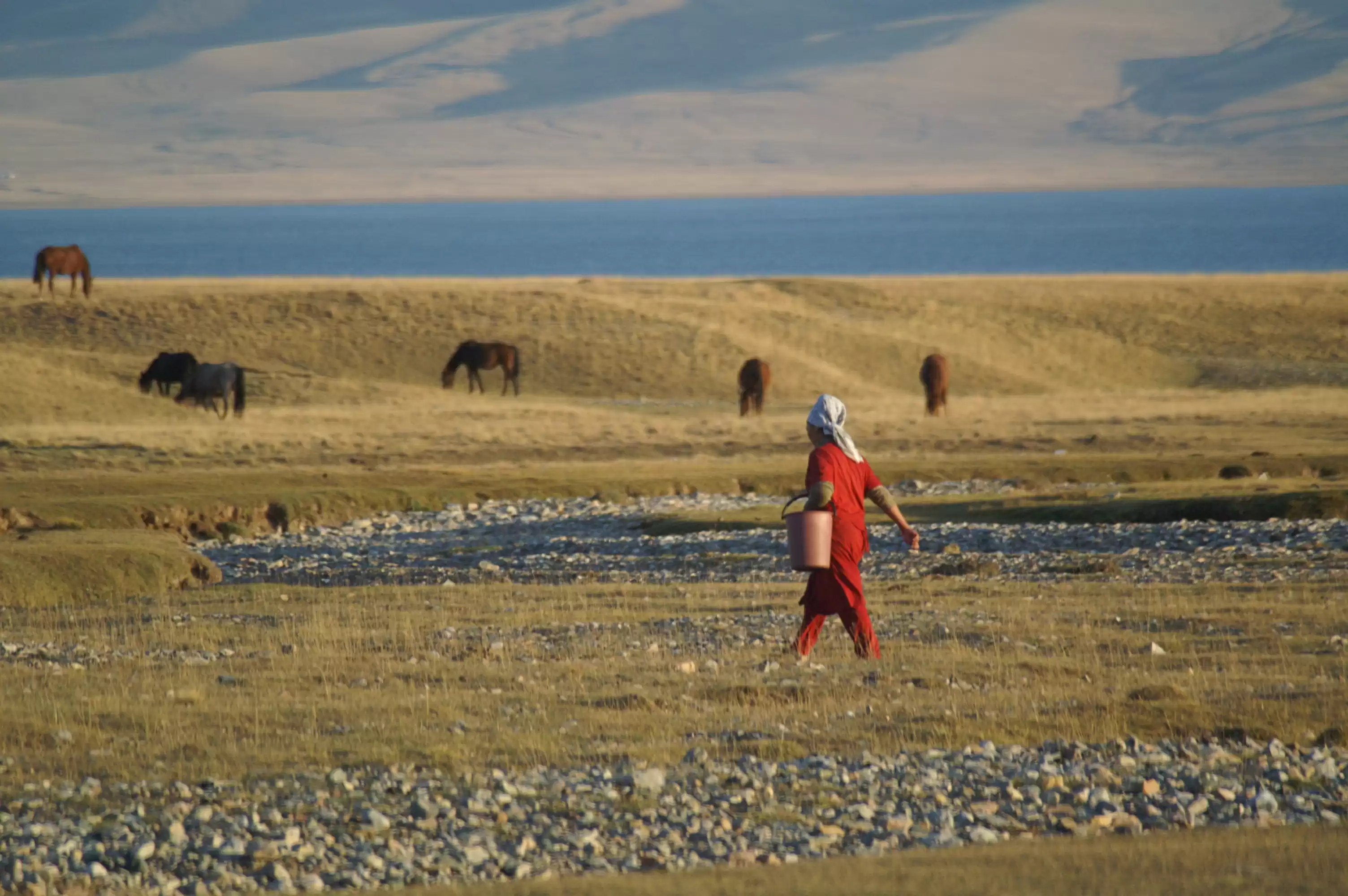
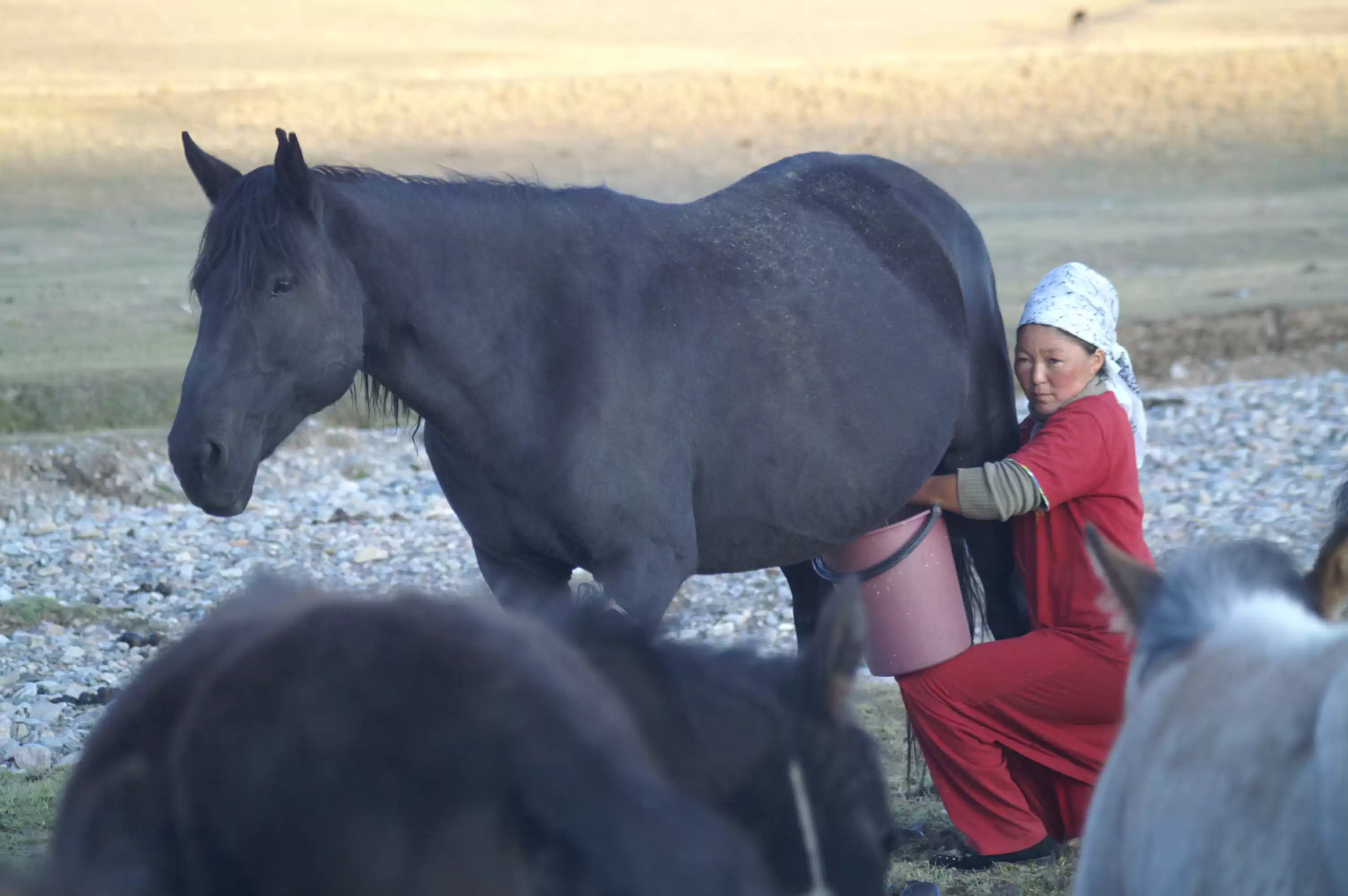
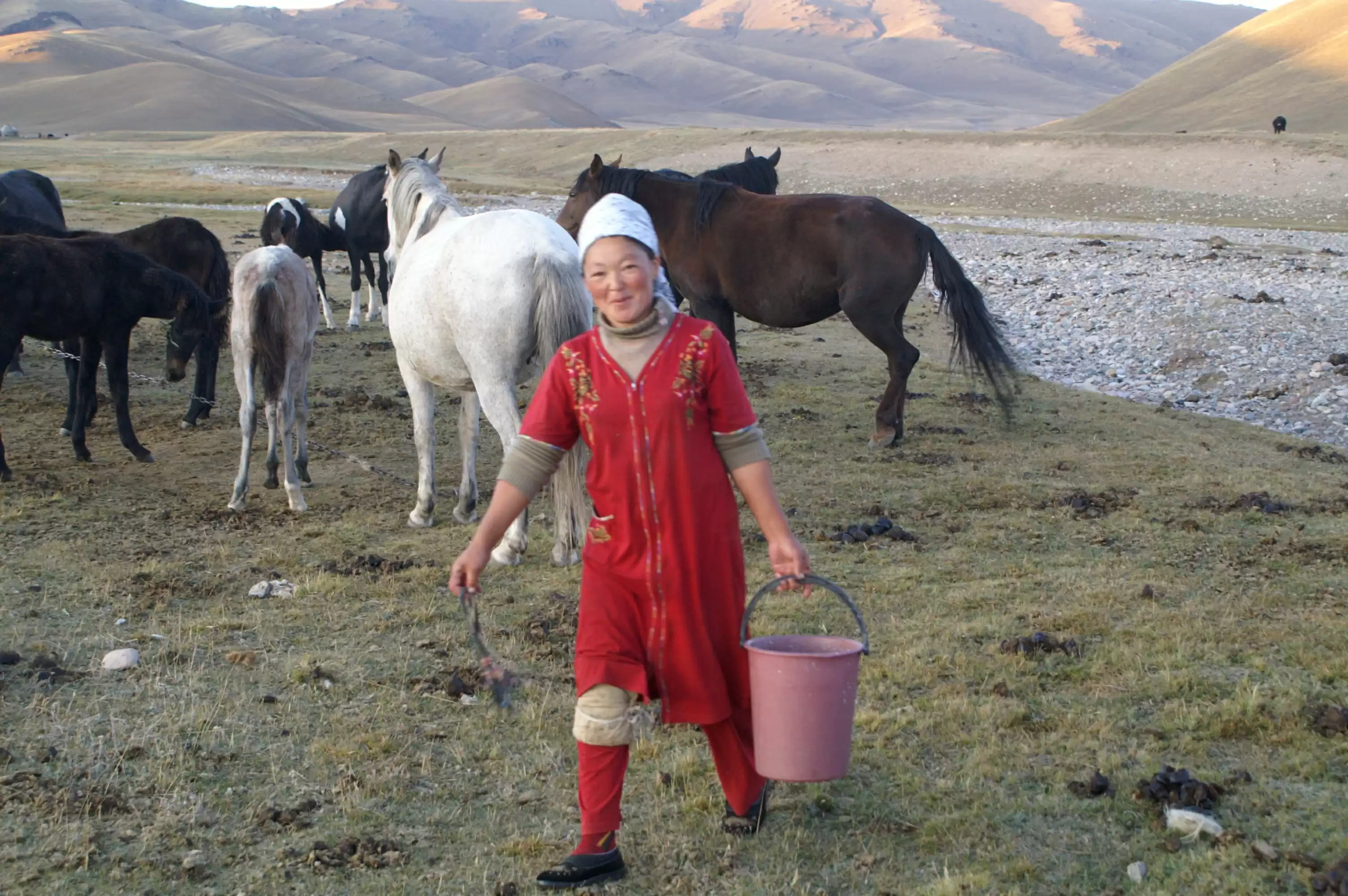
For centuries, kymyz has played a pivotal role in the social fabric of nomadic communities across Kyrgyzstan and Kazakhstan. Made predominantly from mare's milk, and occasionally from cow's milk, this fermented beverage is the first thing offered to guests entering a yurt. This act of offering kymyz is not merely a gesture of hospitality; it's an age-old tradition that embodies the warmth, generosity, and respect that nomads have for their visitors. Kymyz quenches thirst, complements the rich, fatty foods of the nomadic diet, and signifies the host's wish for their guest's well-being.
The Healing Elixir of the Steppes
Beyond its role in hospitality, kymyz is revered for its remarkable healing properties. The nomads believe that mare's milk, particularly when transformed into kymyz, possesses the ability to cleanse the body of toxins and replenish it with vital nutrients. It's not uncommon for people from all corners of Central Asia to embark on a journey to the steppes with the sole purpose of partaking in a kymyz cure, traditionally lasting about ten days. This practice is testament to the enduring belief in the natural healing powers of kymyz, attributed to the high-quality grasses that the Kyrgyz breed of horses grazes on.
Tasting Tradition: Kymyz and Central Asian Cuisine
For those visiting Kyrgyzstan or Kazakhstan, experiencing the unique taste of kymyz is a must. The drink comes in two main varieties: Saamal, which is fresh mare's milk, and the fermented version known as Kymyz. The fermentation process gives Kymyz its distinctive sour flavor and effervescent quality, making it a refreshing and invigorating drink.
Kymyz is often enjoyed alongside traditional dishes, particularly beshbarmak, a hearty meal that features boiled meat and noodles. The combination of kymyz and beshbarmak offers a deep dive into the flavors and culinary traditions of Central Asia, providing a taste experience that is as enriching as it is delicious.
Embracing the Kymyz Experience
For travelers and adventurers seeking to immerse themselves in the authentic culture of Central Asia, sampling kymyz is more than just trying a local beverage. It's an opportunity to connect with the nomadic way of life, to share in the traditions that have sustained these communities for generations, and to experience firsthand the legendary hospitality of the nomadic peoples.
Whether you're sitting in a yurt under the vast Central Asian sky, sharing stories with your hosts, or simply savoring the unique taste of kymyz, you're participating in a tradition that transcends mere sustenance. Kymyz is a reminder of the enduring bond between humans and nature, a symbol of hospitality that unites people across the steppes, and a testament to the resilience and richness of nomadic culture.
So, when you find yourself in the heart of Central Asia, let kymyz be your guide to the soul of nomadic life. Embrace the warmth of the welcome that comes with every cup, and let the spirit of the steppes fill your heart with every sip.

In the vast steppes of Central Asia, where the sky kisses the earth and the air carries the spirit of freedom, the nomadic way of life continues to thrive. At the heart of this enduring culture lies kymyz, a traditional sour-milk beverage that is more than just a drink—it's a symbol of hospitality, health, and the deep connection between the nomads and their land.
VIEW PROFILE →