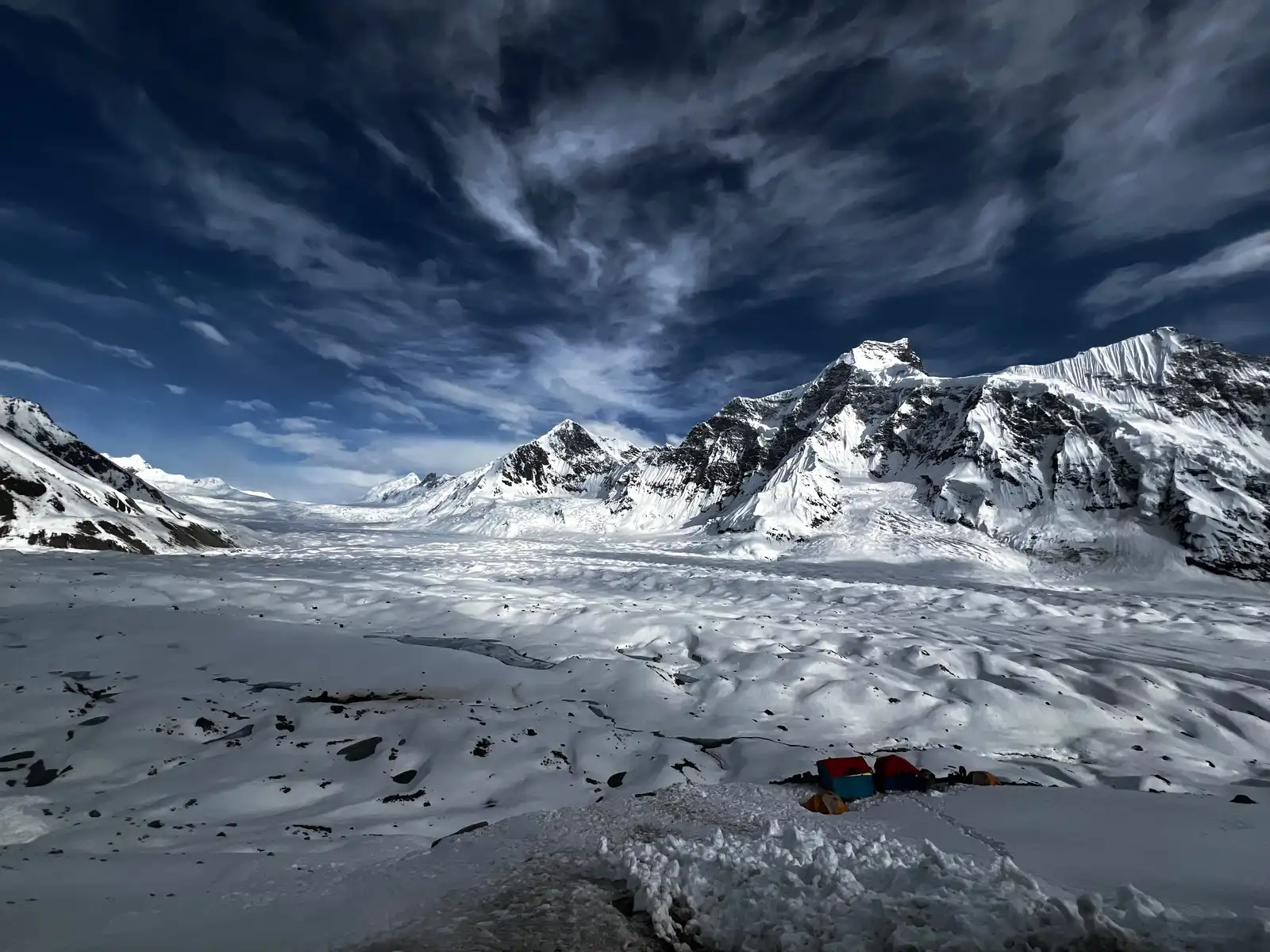
There is a place on Earth where glaciers stretch for a hundred kilometers, where five of the planet's fourteen 8,000-meter giants stand shoulder to shoulder, and where mountain villages still greet strangers with tea, bread, and open doors. That place is Pakistan a country too often overlooked, yet holding some of the most spectacular high-altitude landscapes on the planet.
For travelers craving raw nature, genuine culture, and adventure without crowds, Pakistan is not just a destination. It is a revelation.
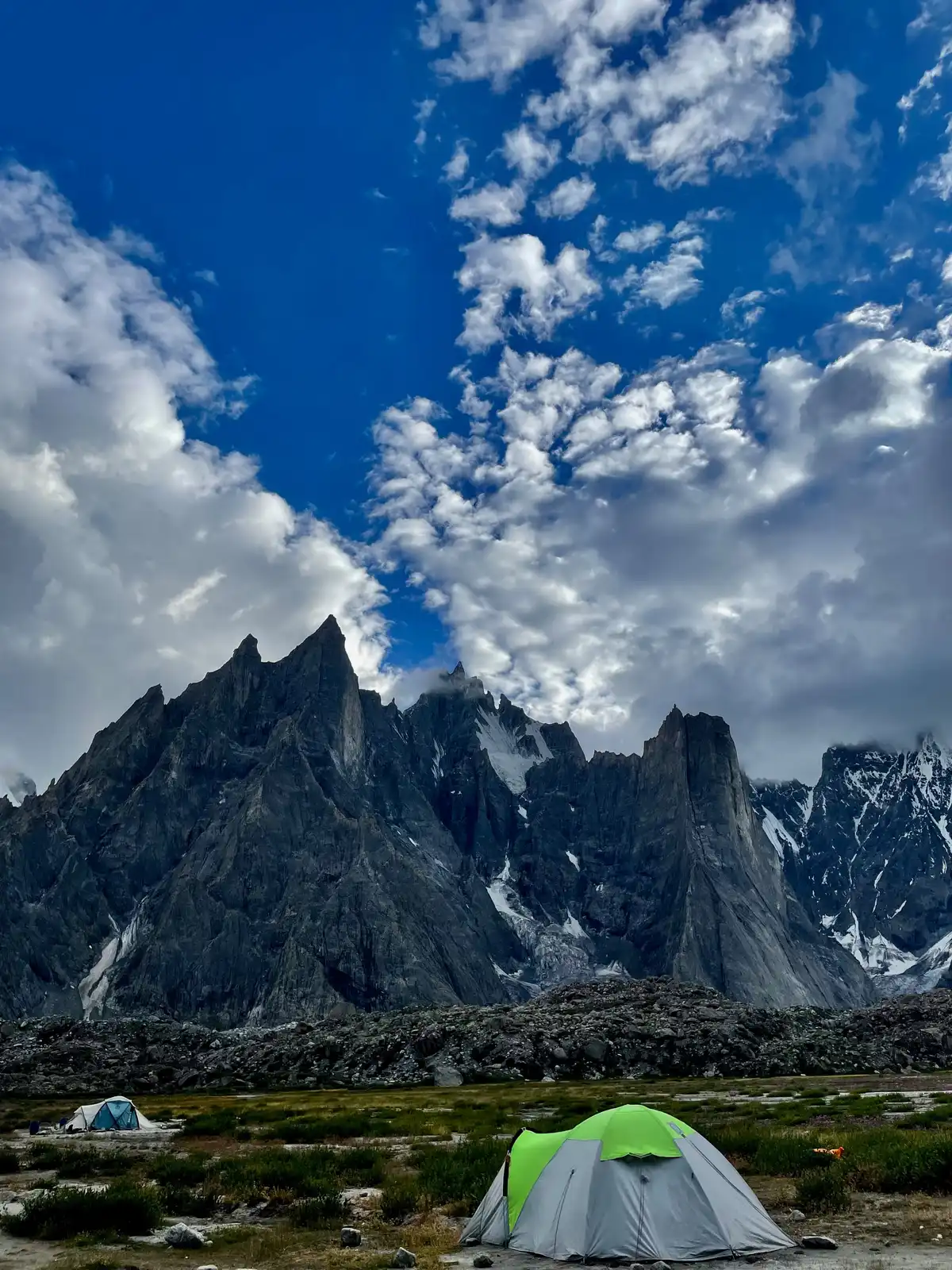
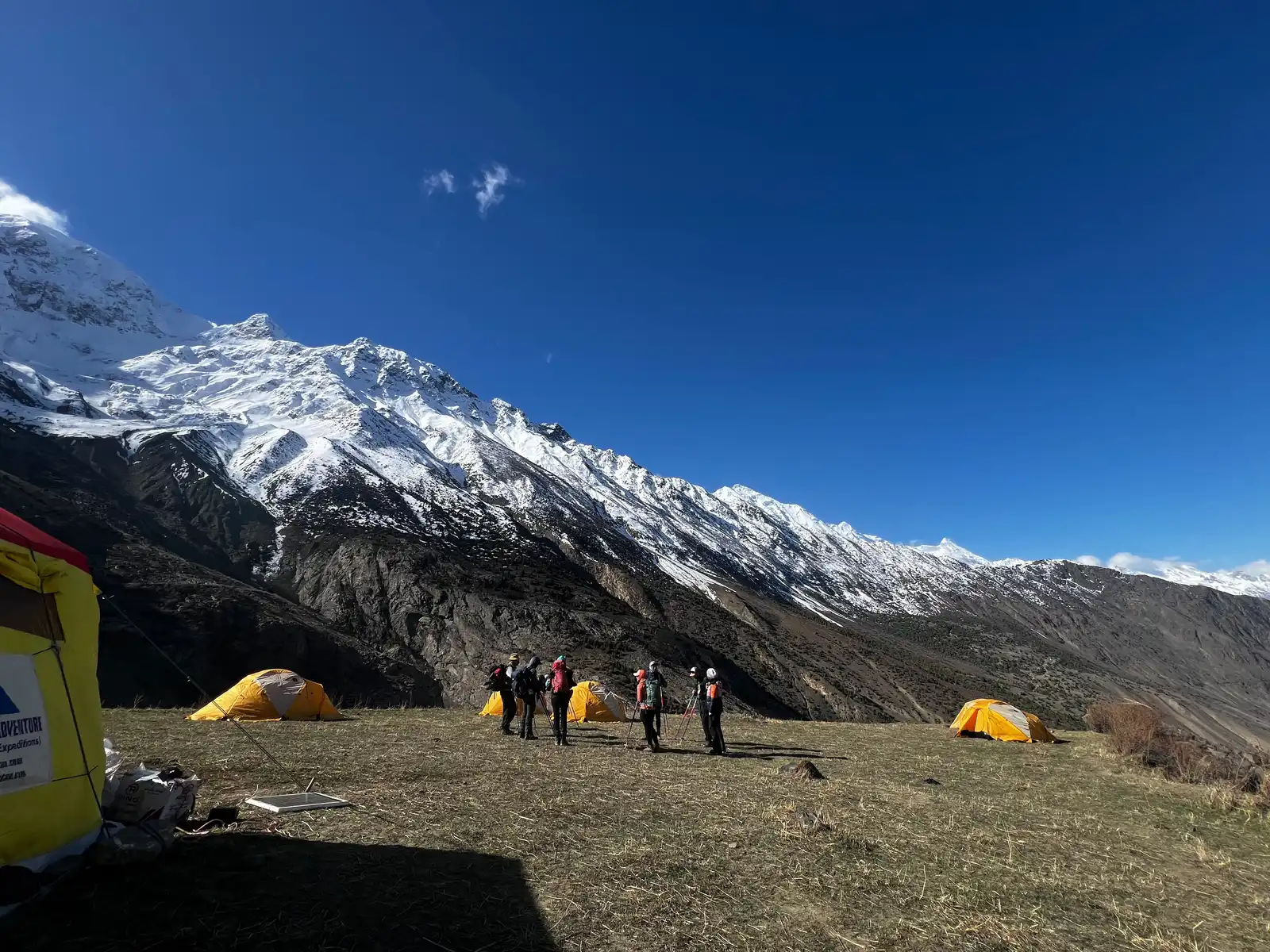
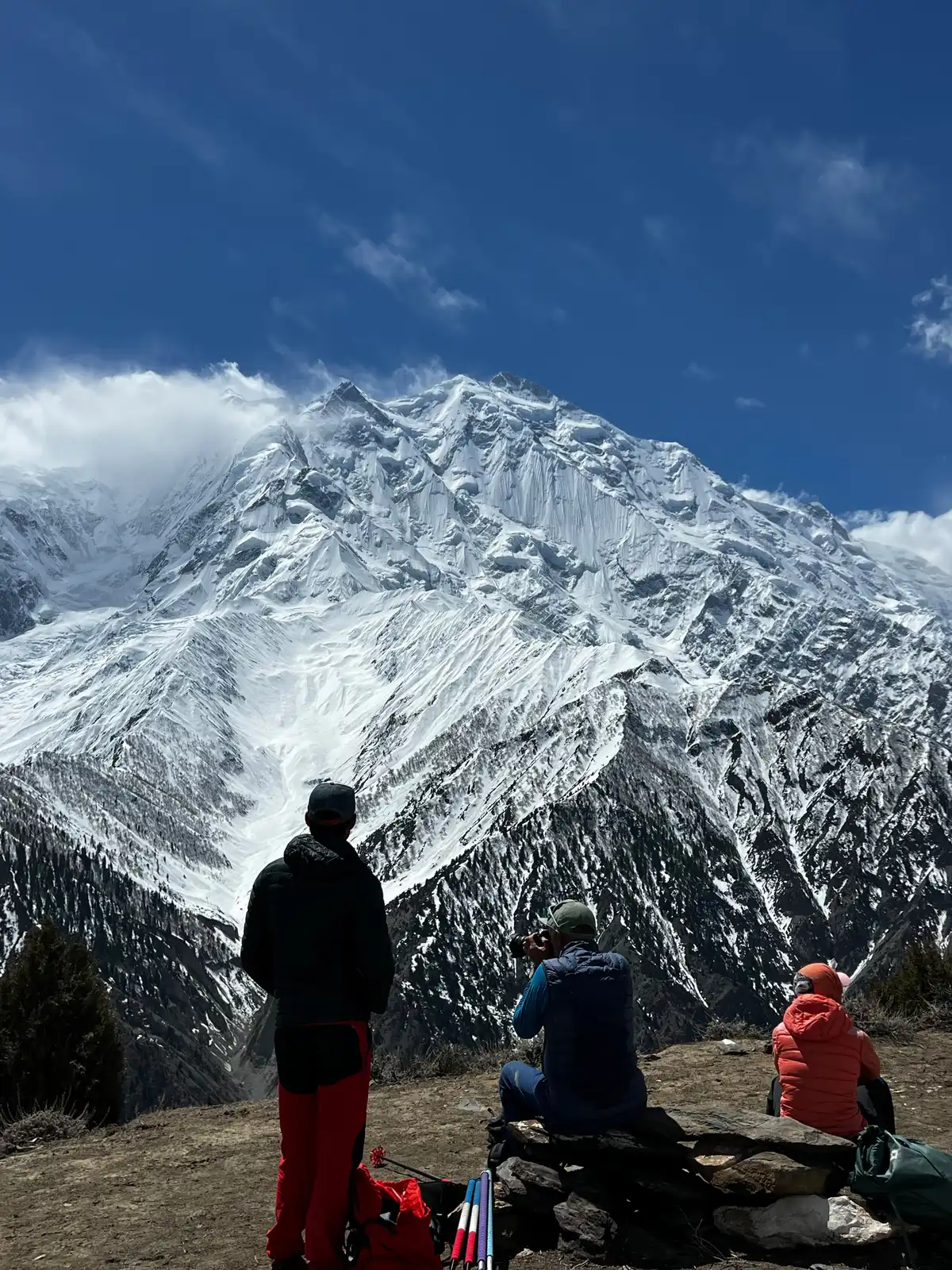
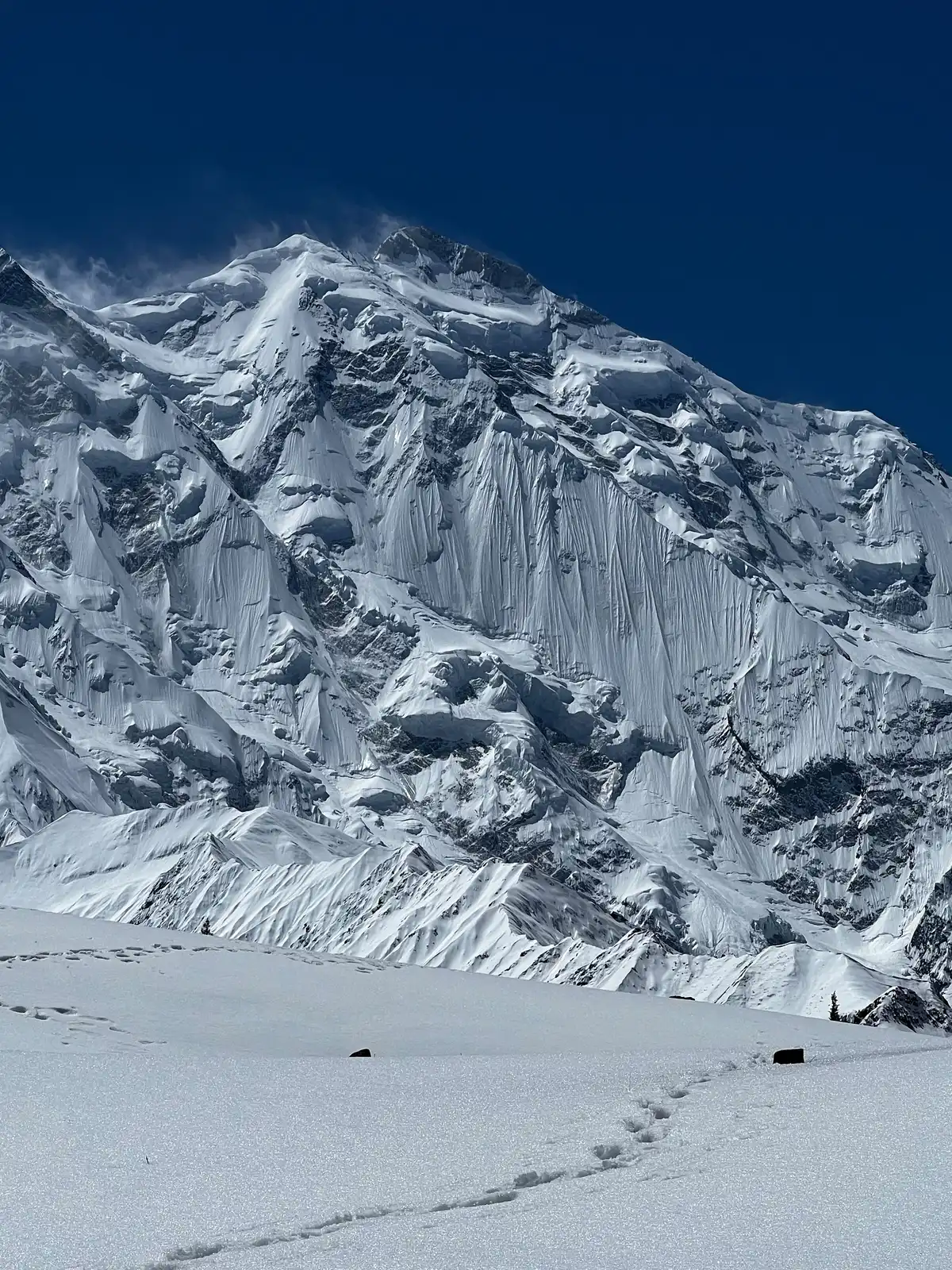
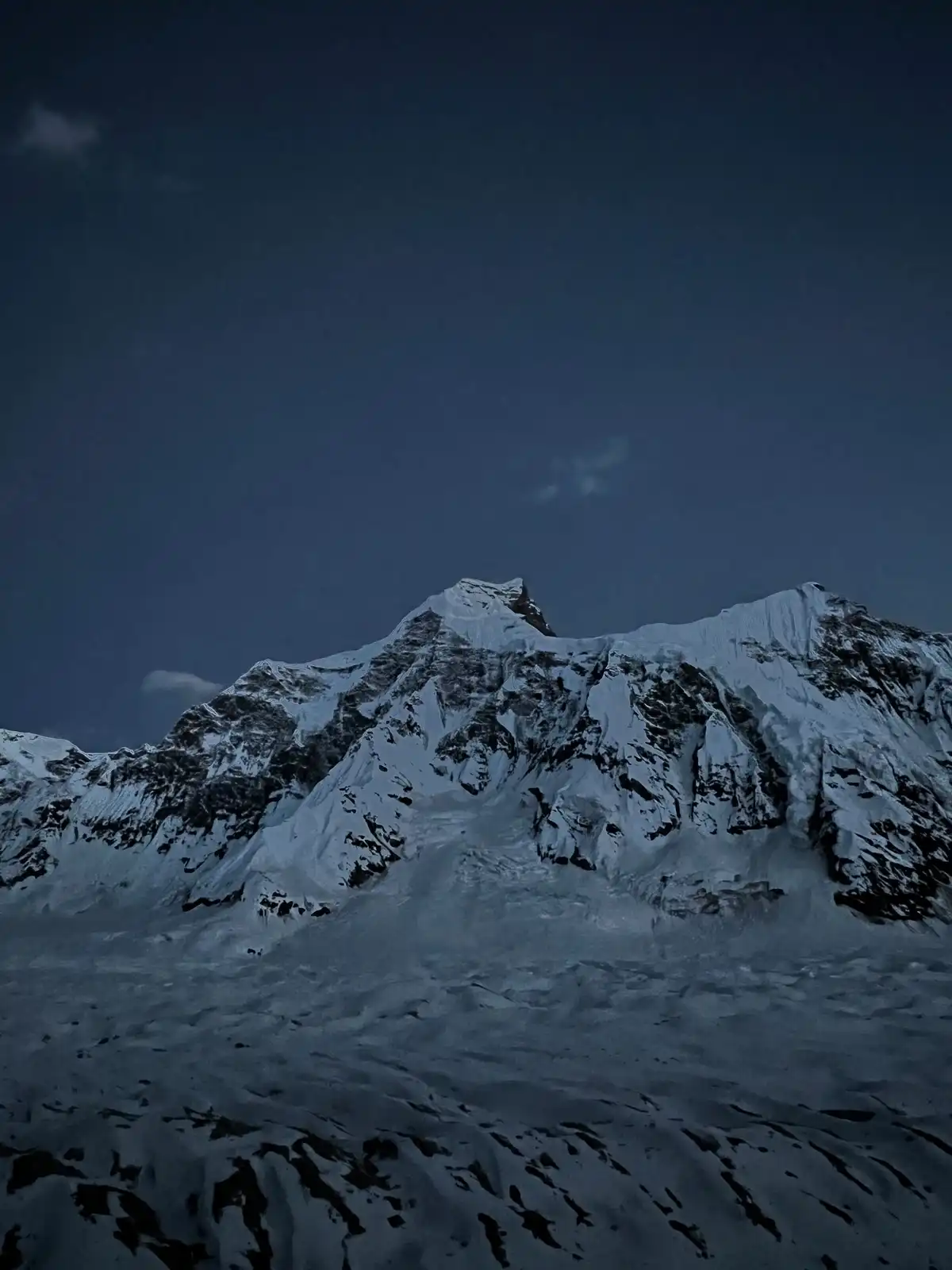
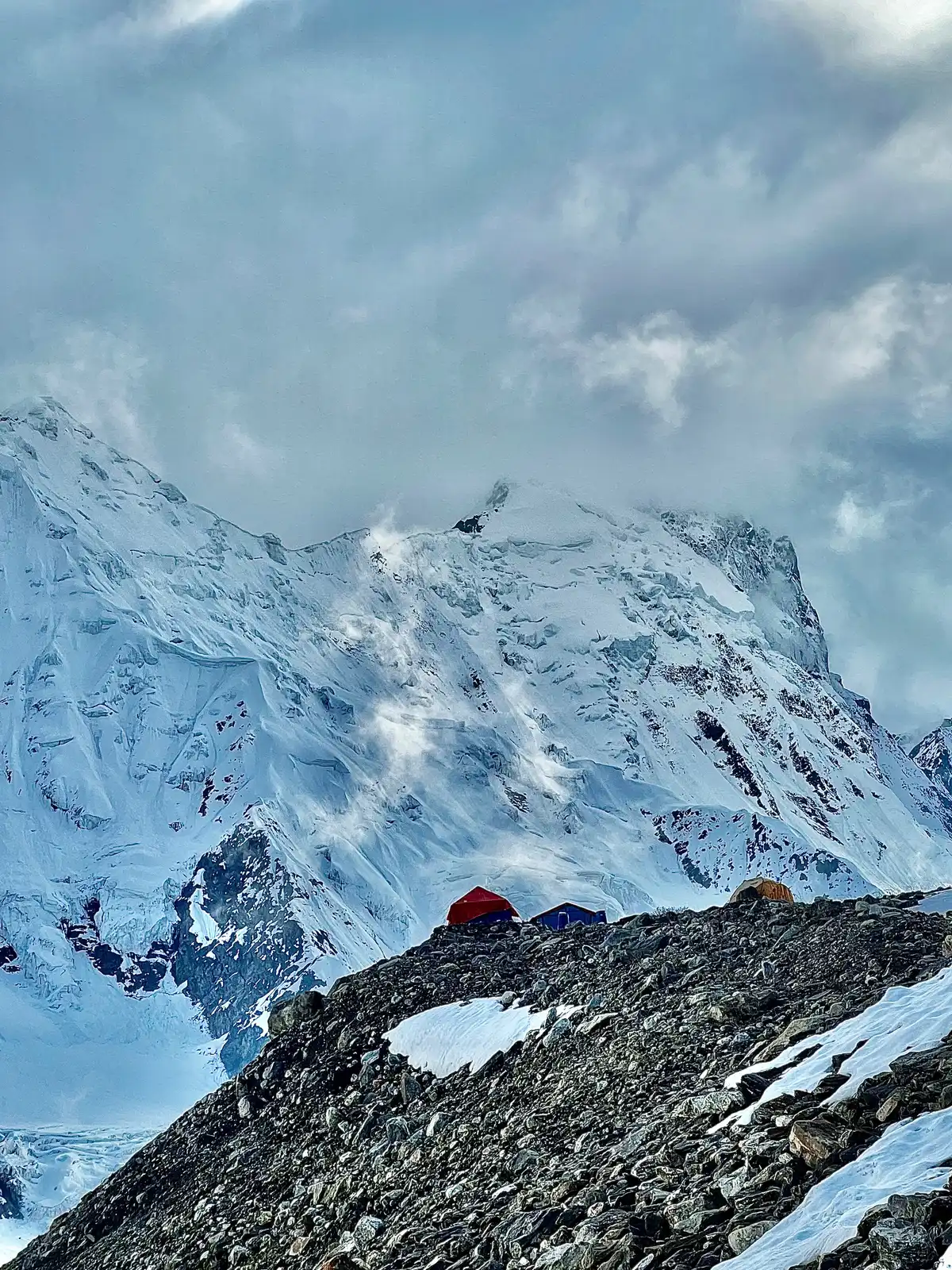
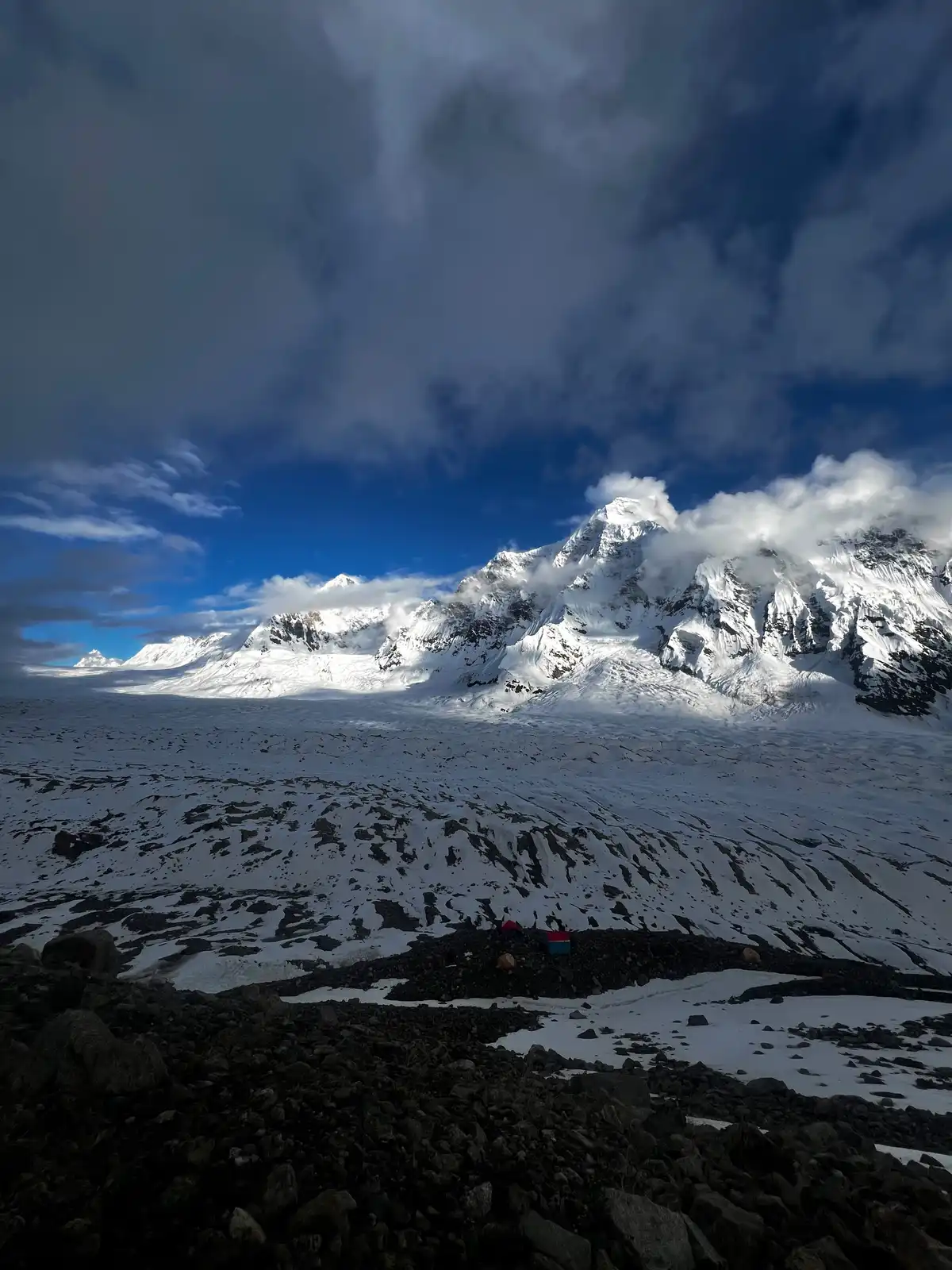
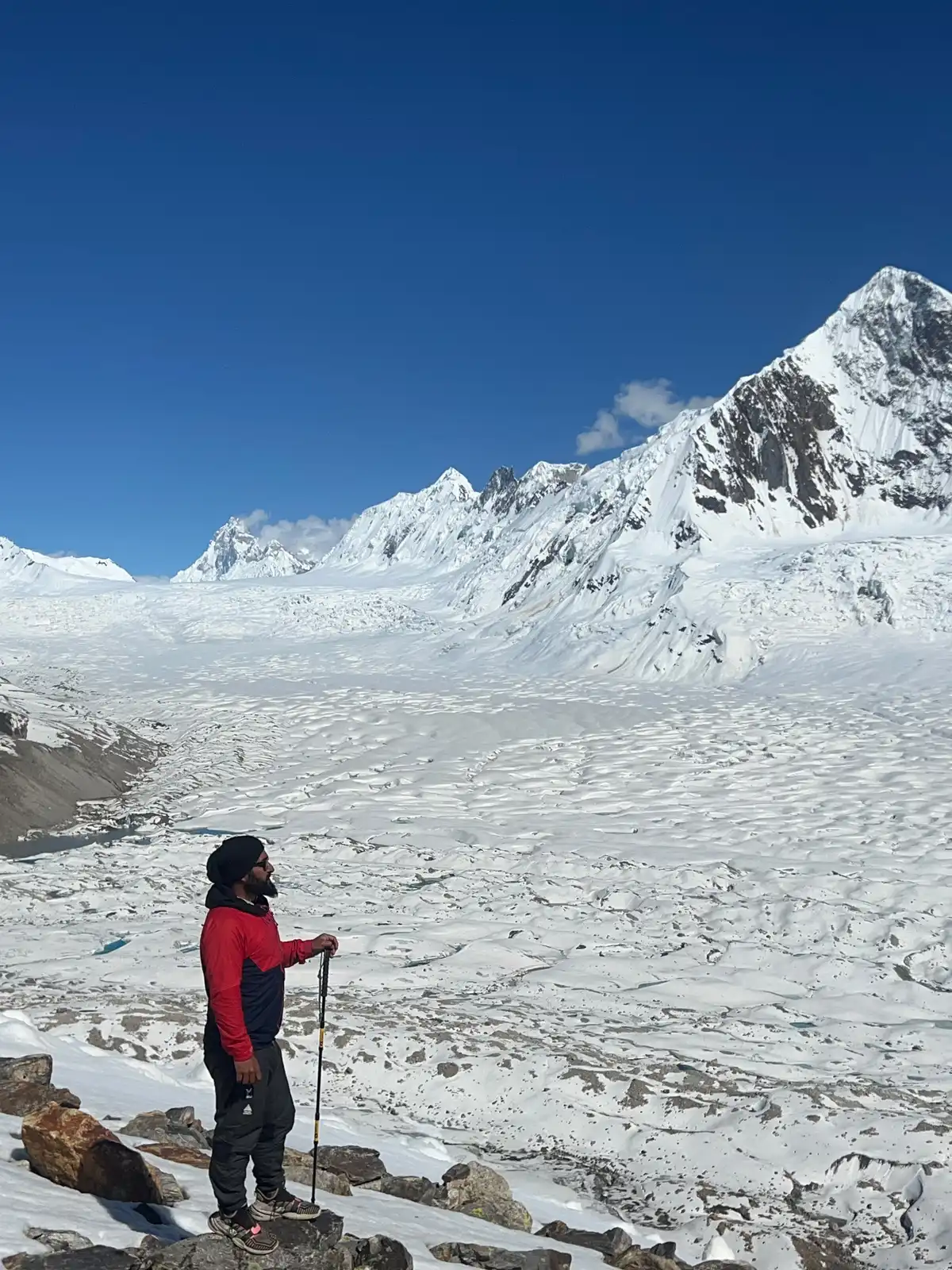
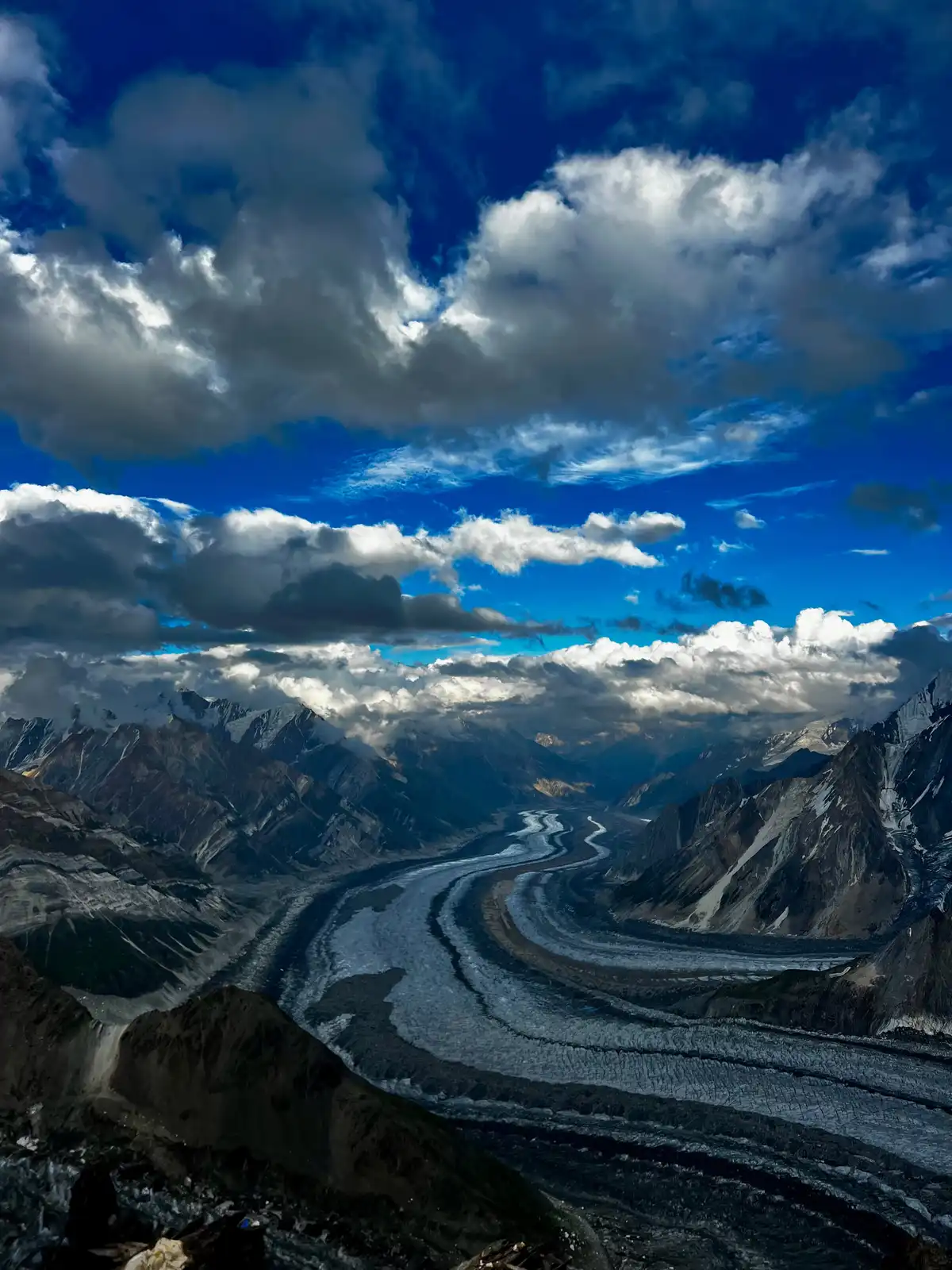
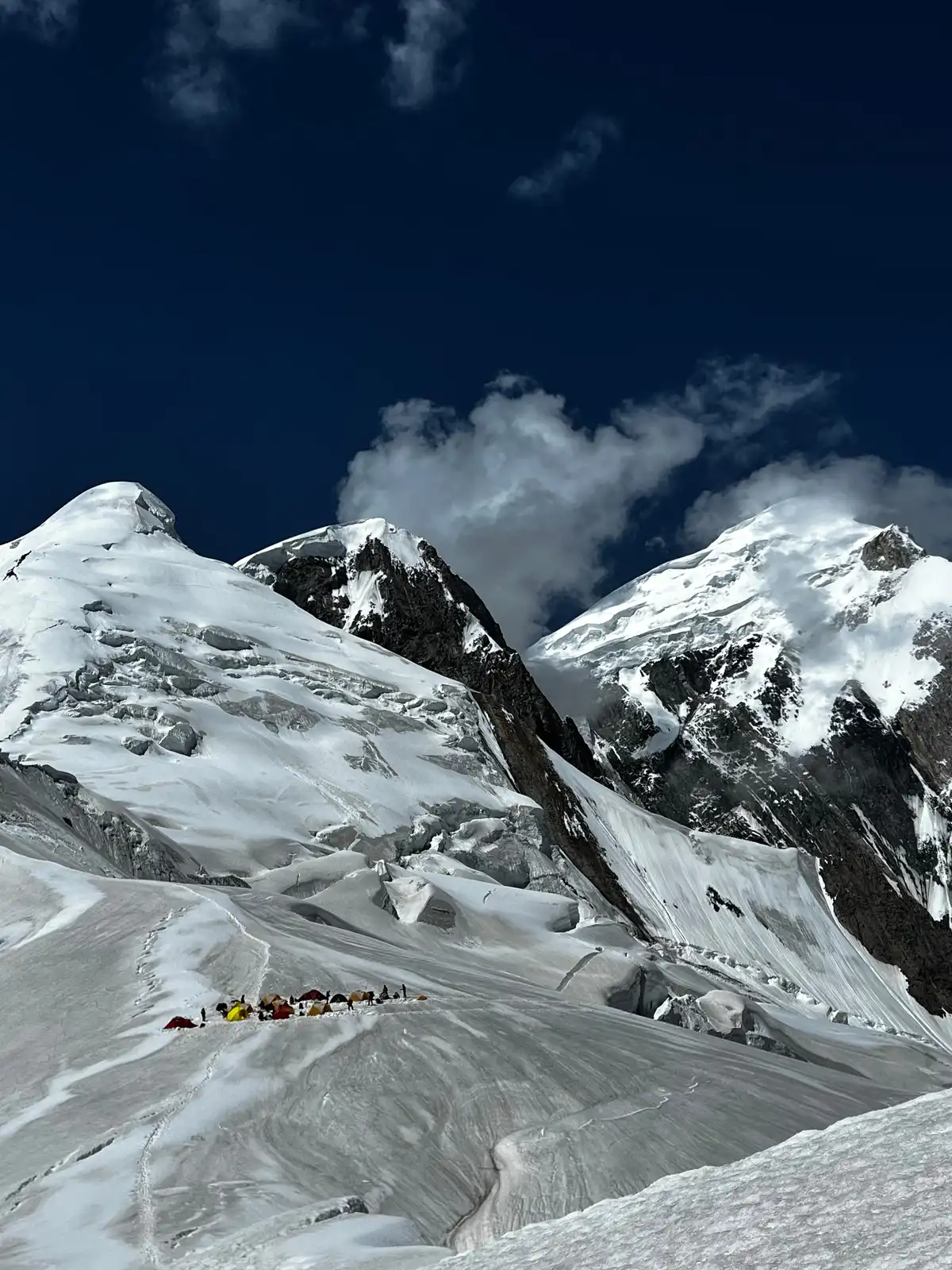
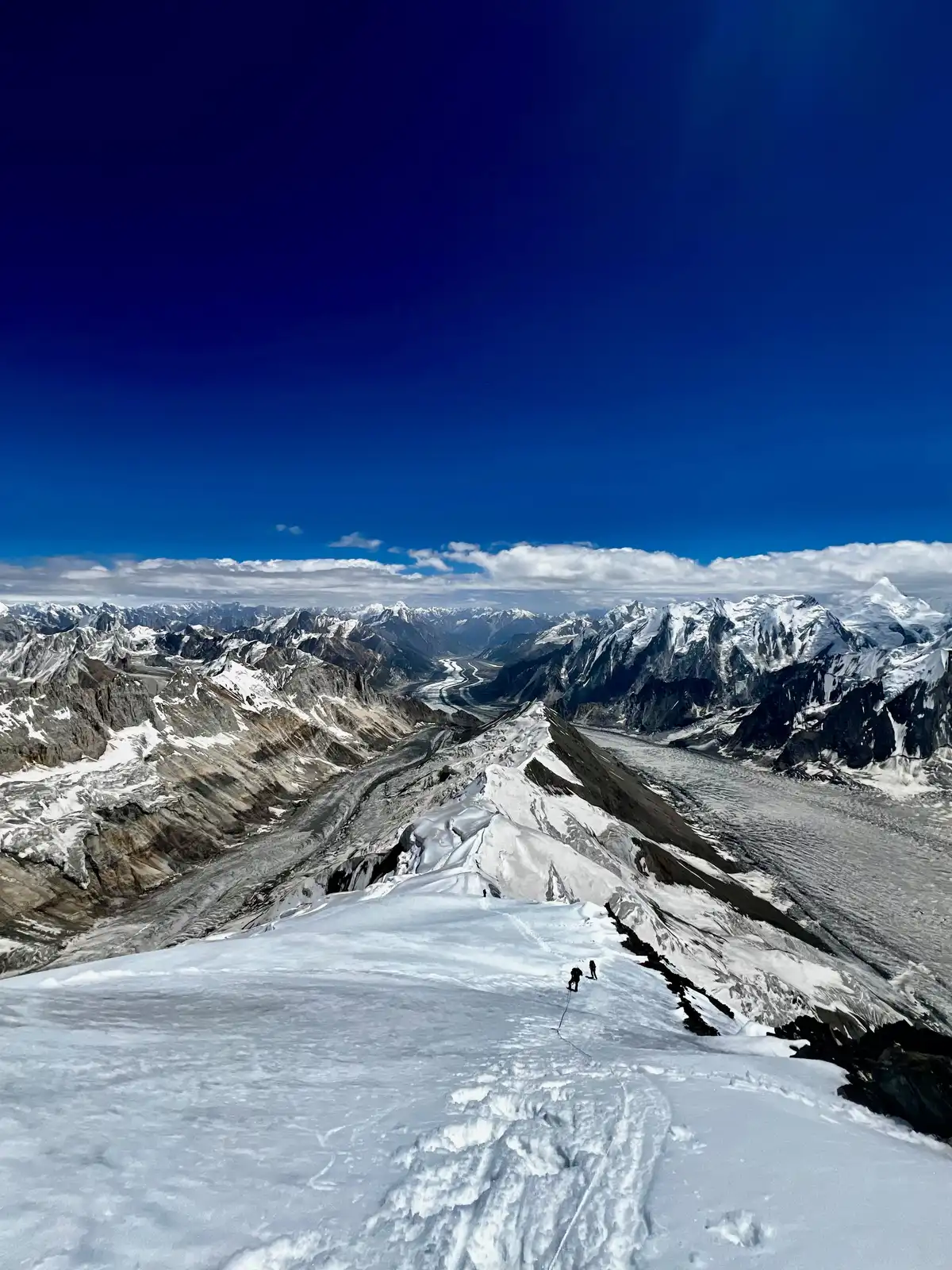
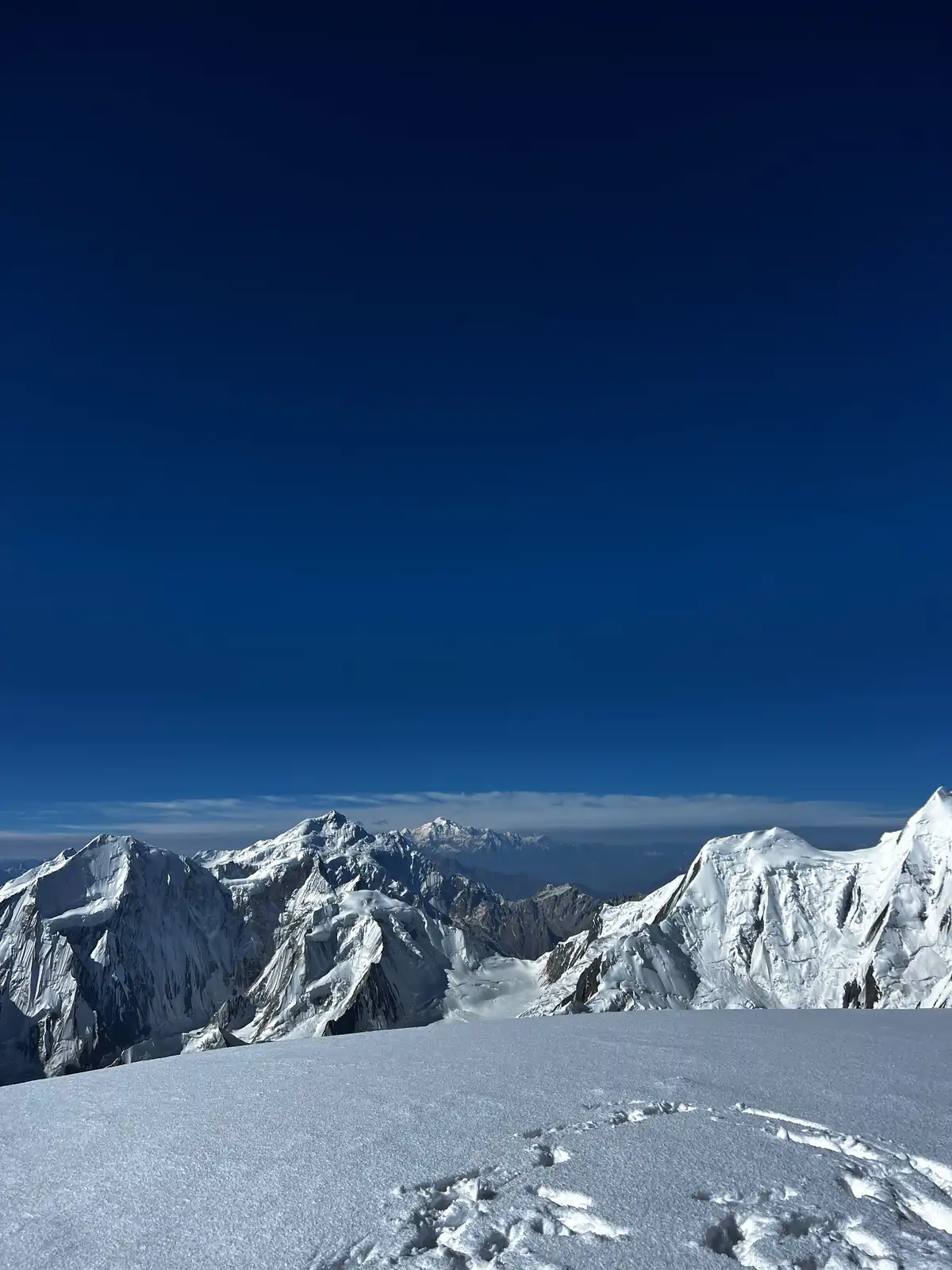
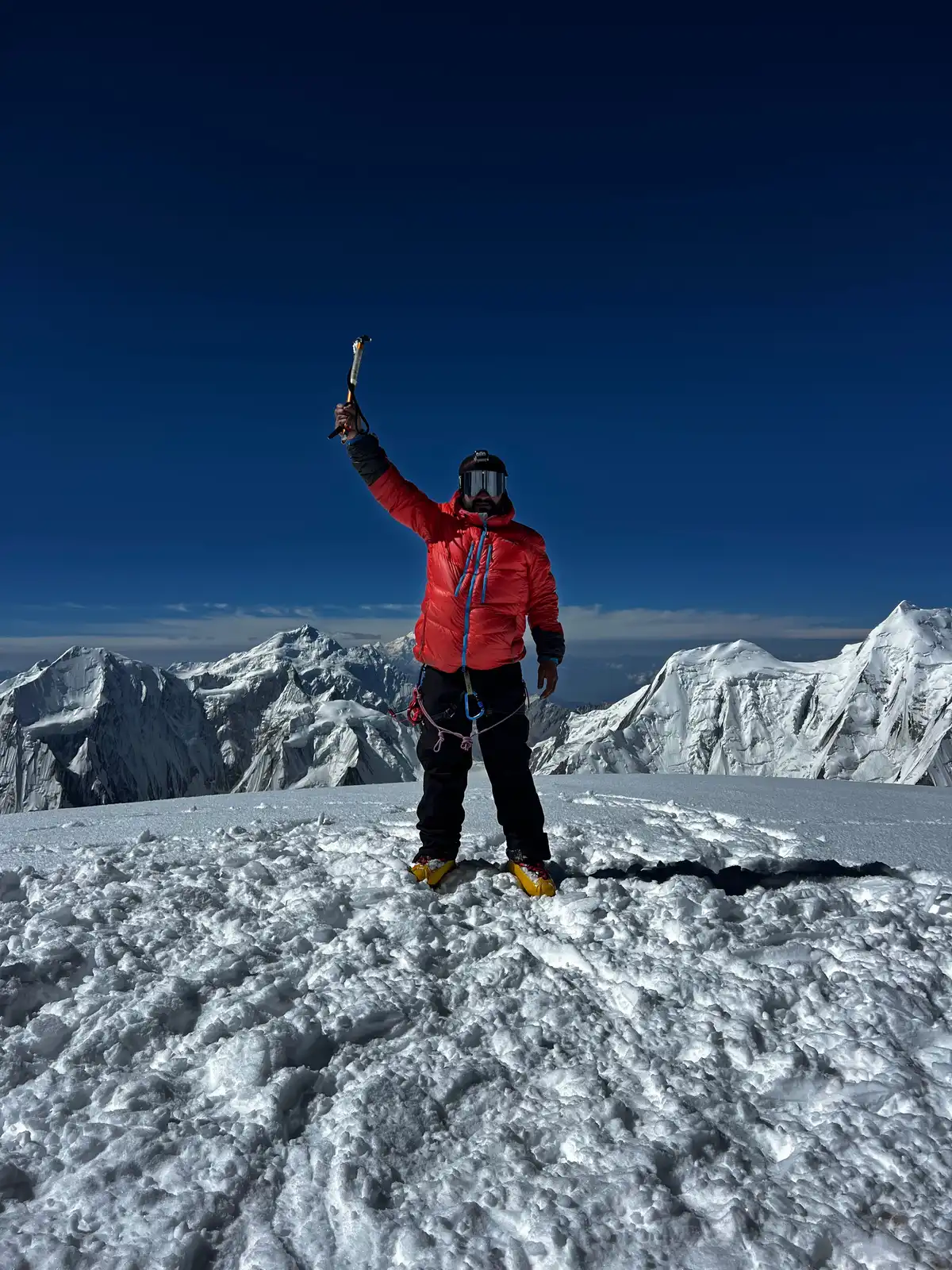
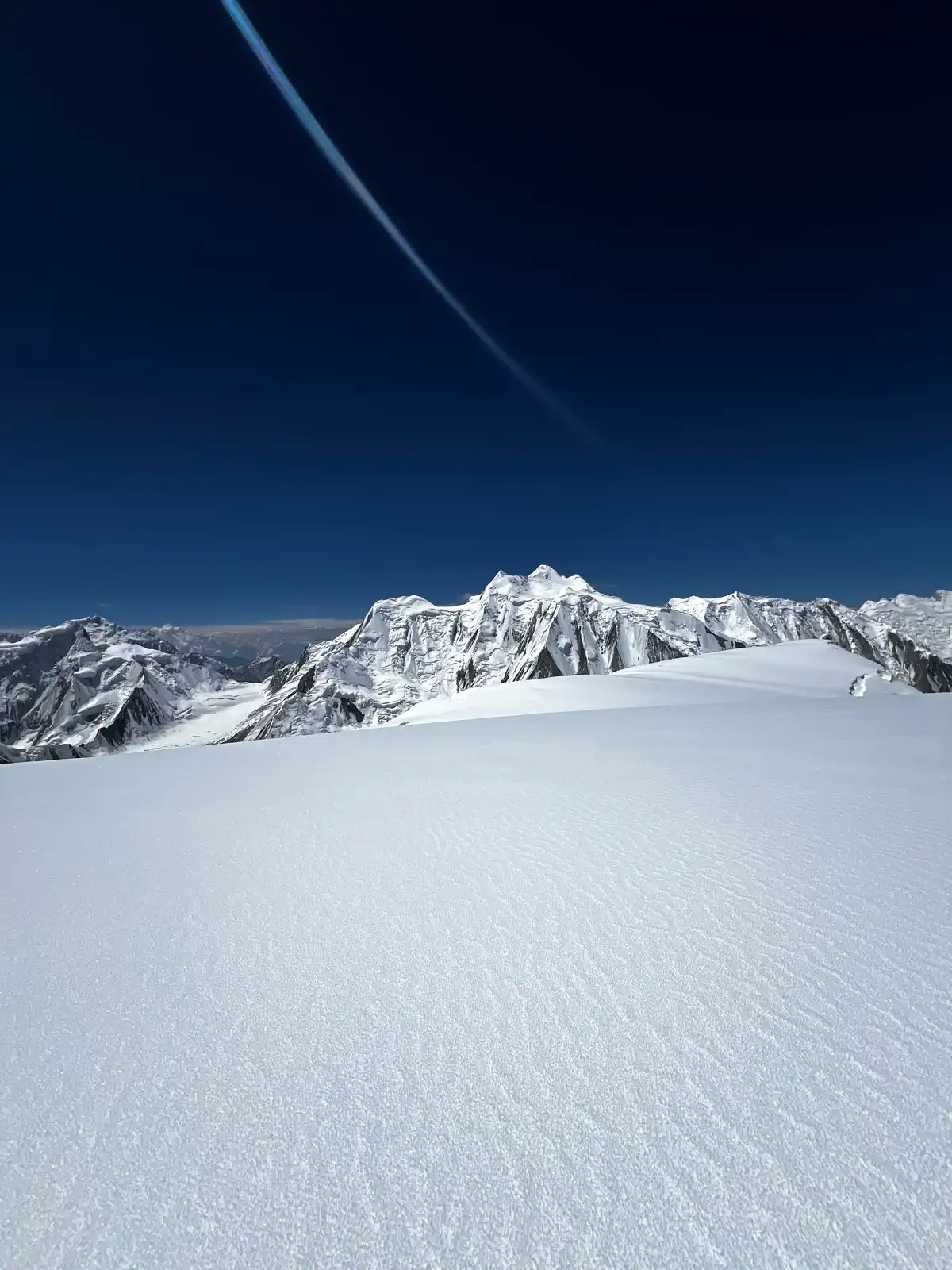
1: K2 Base Camp: "Journey to the Throne Room of Mountain Gods."
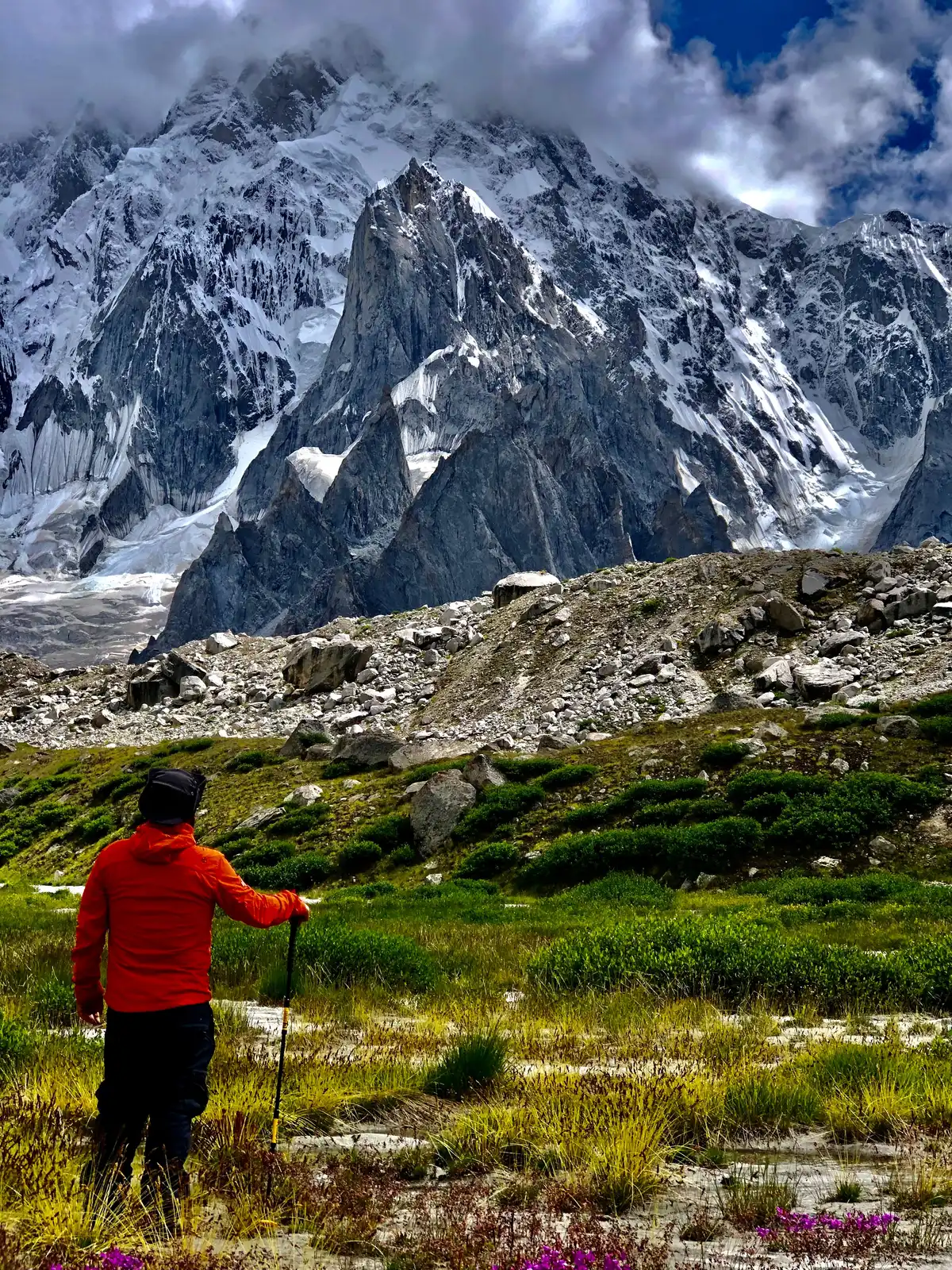
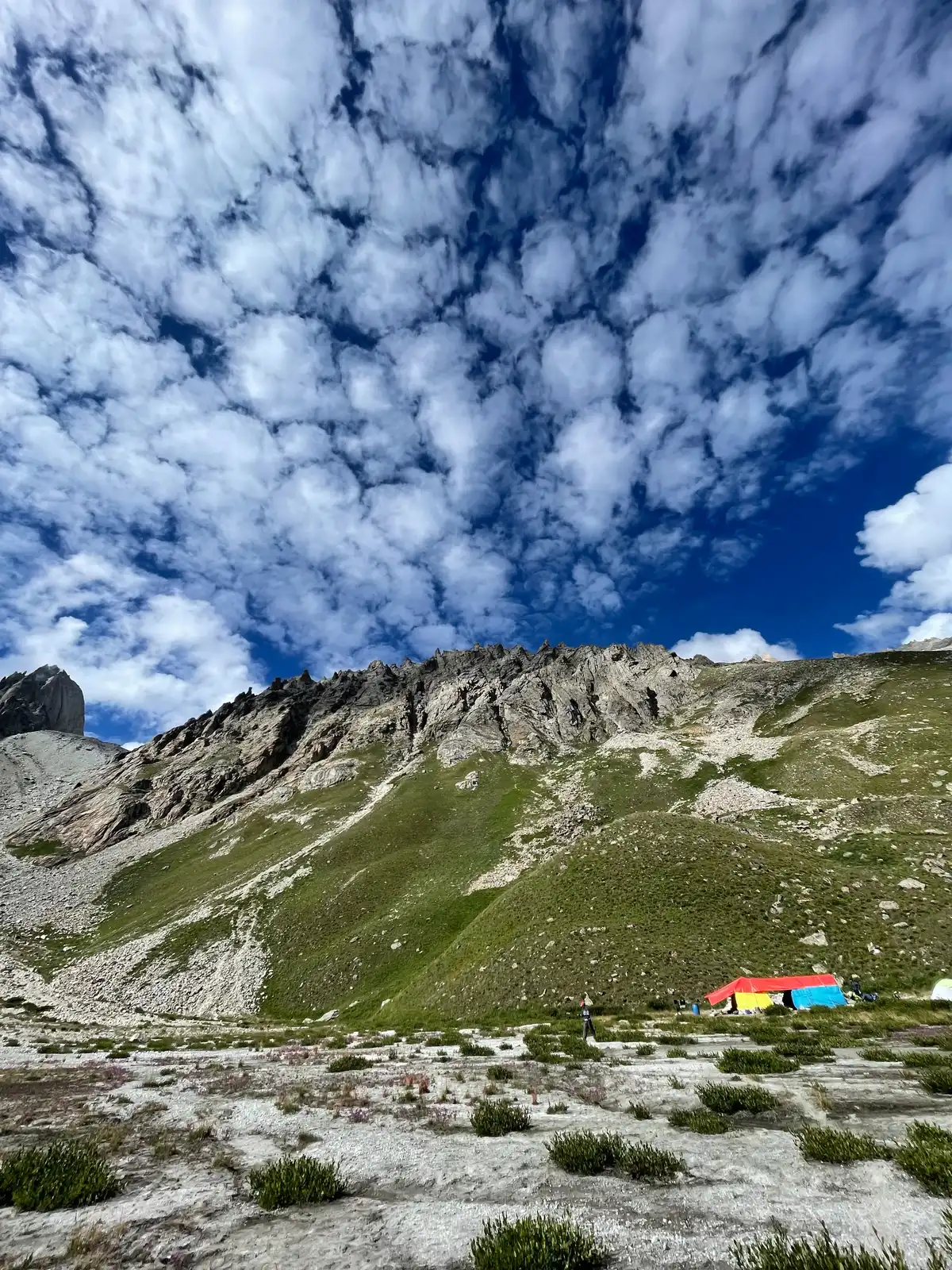
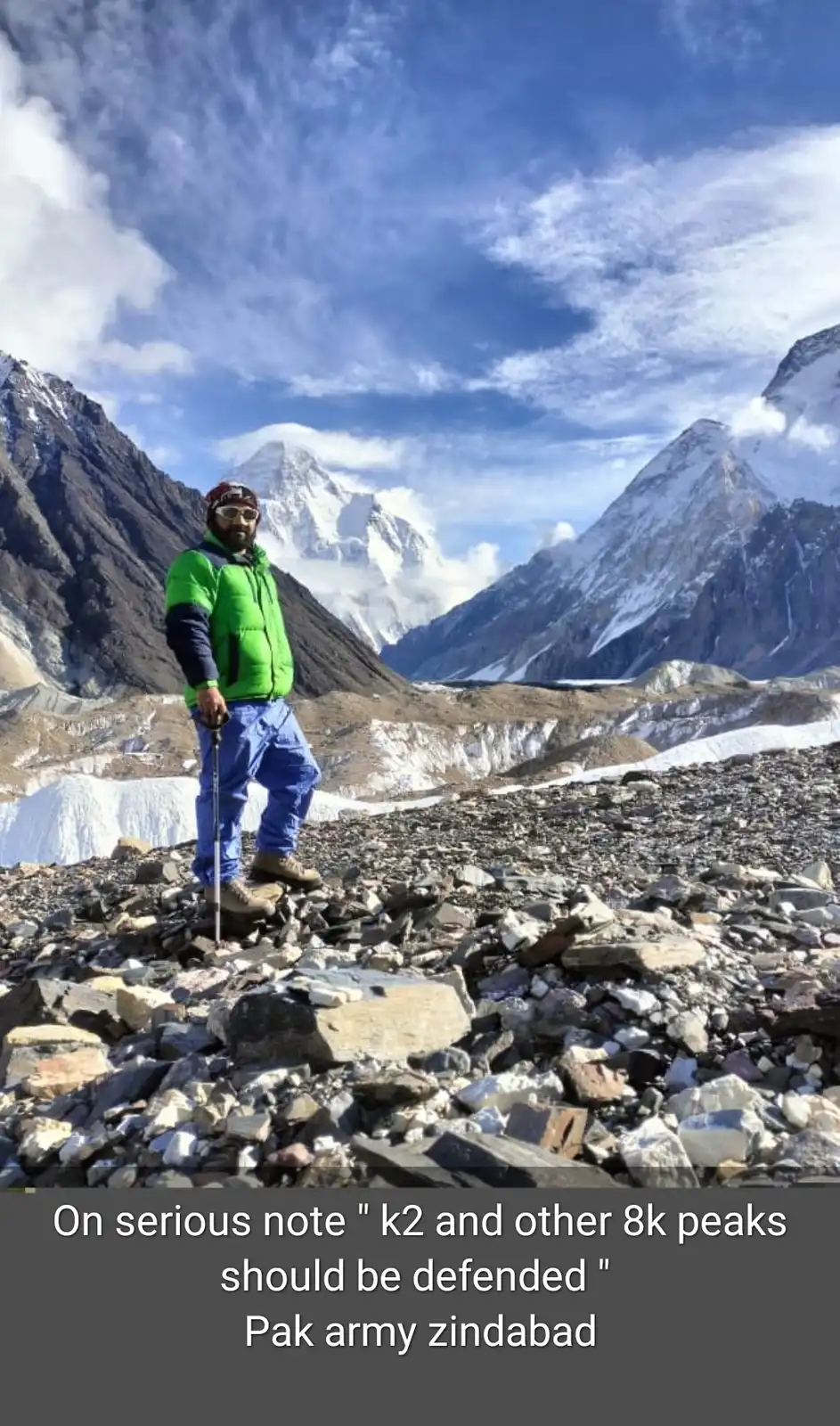
No trek on Earth quite compares to the walk along the Baltoro Glacier toward K2 Base Camp. This is the Karakoram at its most dramatic a world of ice, granite spires, and silence broken only by the crack of distant seracs.
Along the way, giants rise on every side: Broad Peak, the Gasherbrums, and the Trango Towers. The trail leads to Concordia, often called one of the most beautiful mountain amphitheaters in the world, where K2 itself finally appears the Savage Mountain, second highest on Earth and arguably the most formidable.
This is a pilgrimage for serious trekkers, and one that rewards every blistered step with views few humans will ever witness.
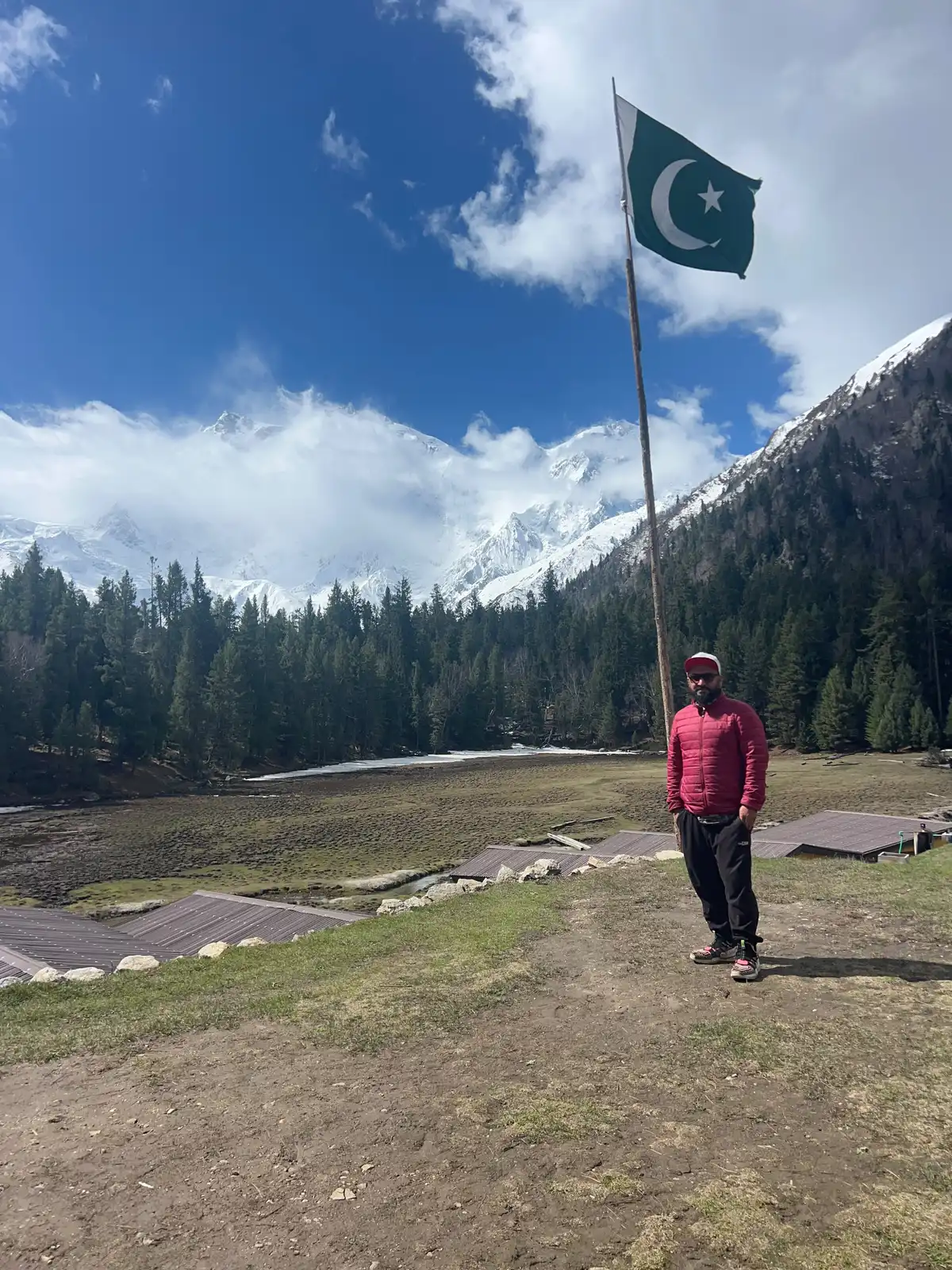
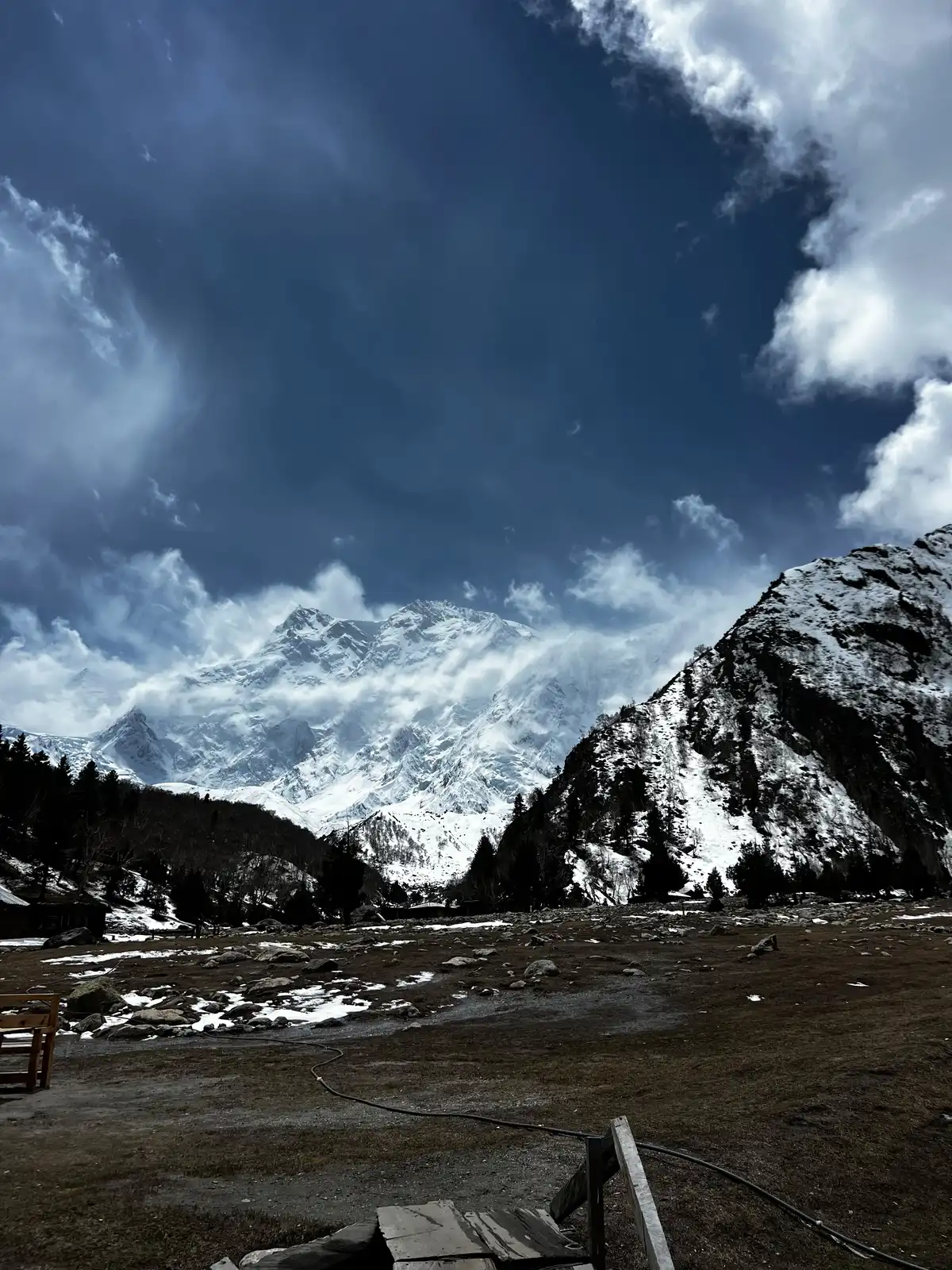
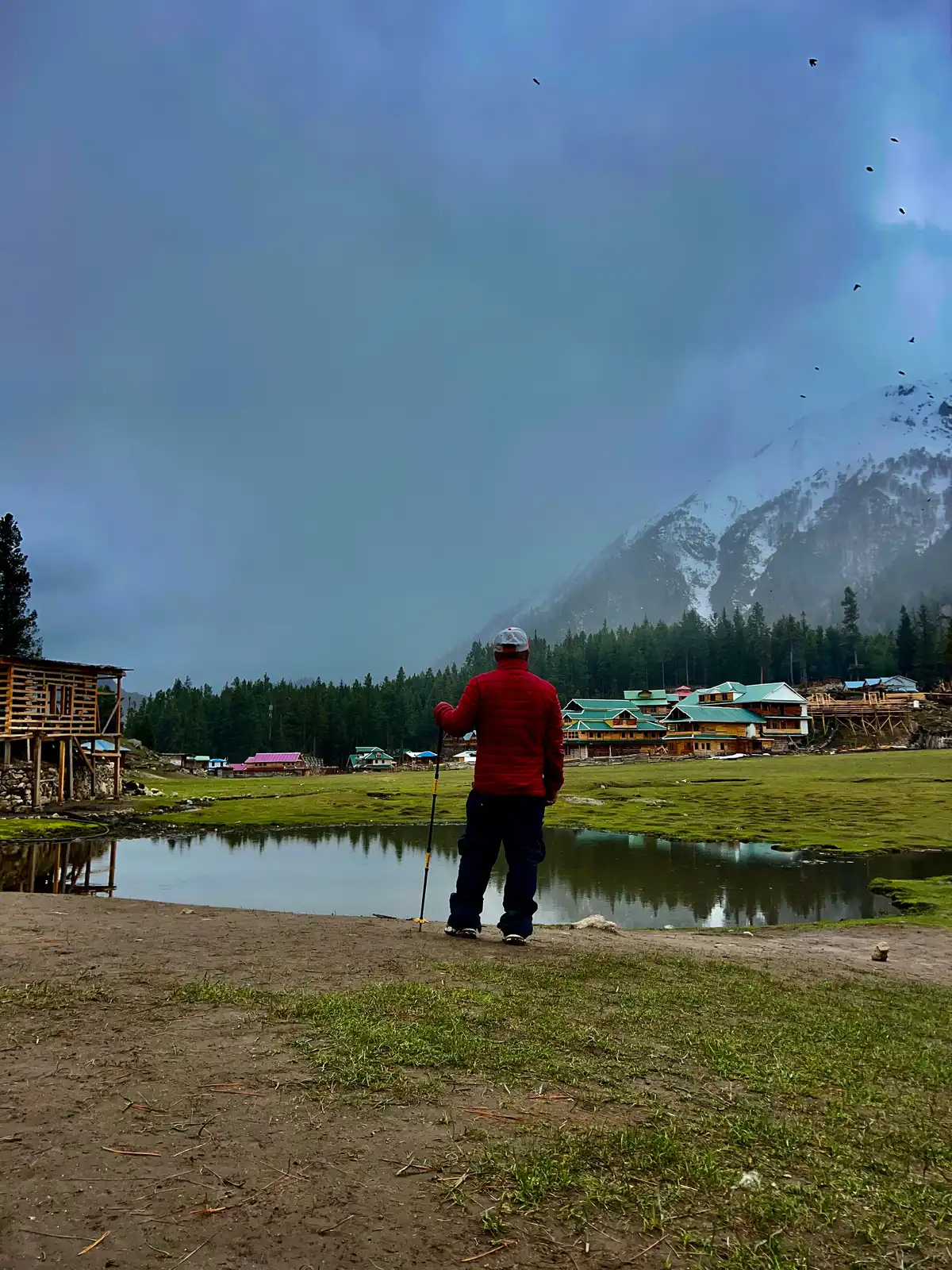
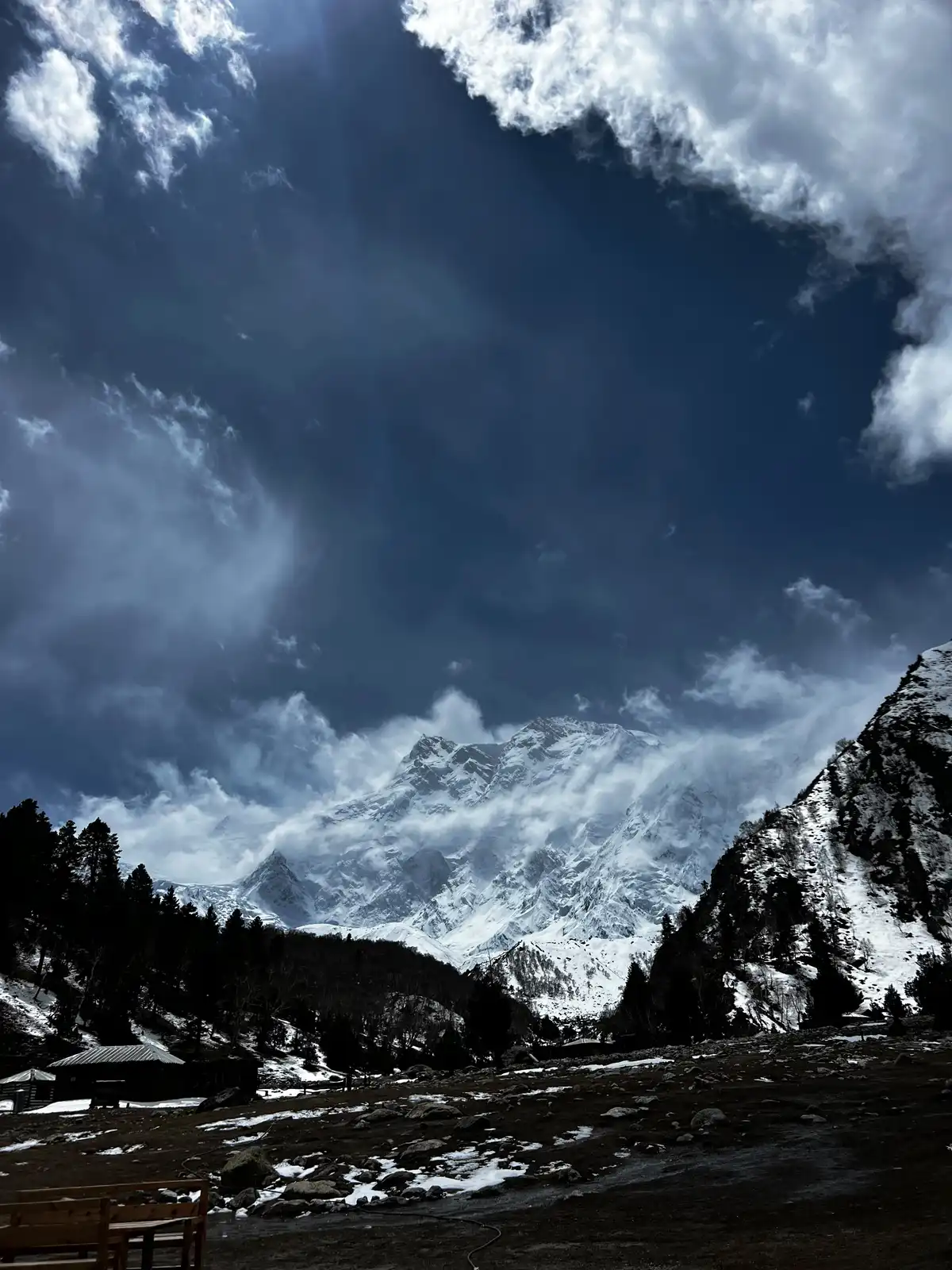
2: Fairy Meadows and Nanga Parbat: "Where Dreams Meet the Mountains."
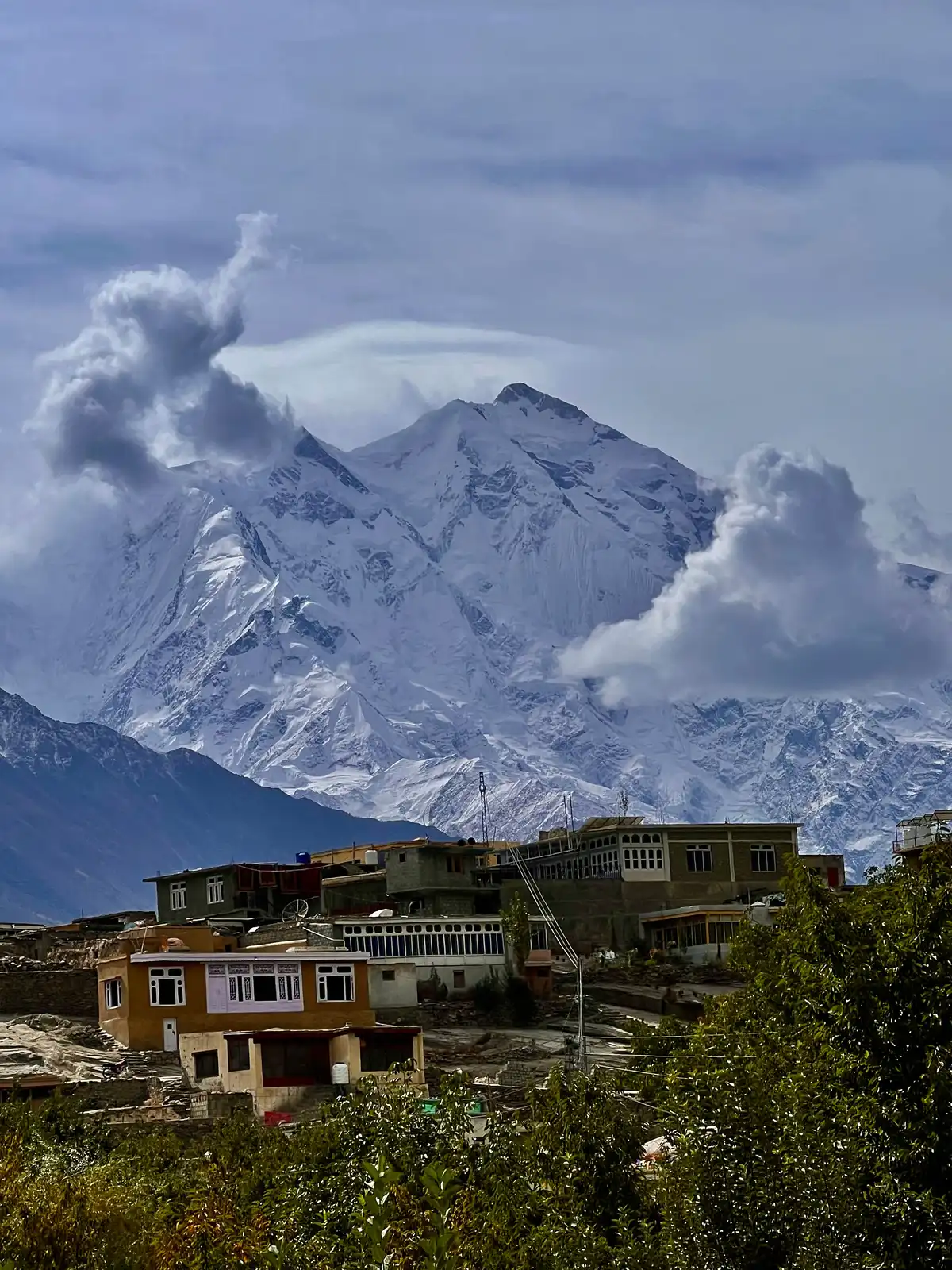
If K2 is about scale, Fairy Meadows is about intimacy. This gentle alpine plateau, framed by pine forest and wildflower slopes, offers an almost impossibly close view of Nanga Parbat the ninth highest mountain in the world and one of the most legendary in Himalayan mountaineering history.
Trekkers can wander through quiet meadows and traditional herding settlements, or push further to Nanga Parbat Base Camp for a face-to-face encounter with the mountain locals call Diamir, "King of the Mountains."
It's one of the most accessible high-mountain experiences in Pakistan, and one of the most photogenic.
3: Hunza Valley: "A Hidden Paradise of Natural Beauty."
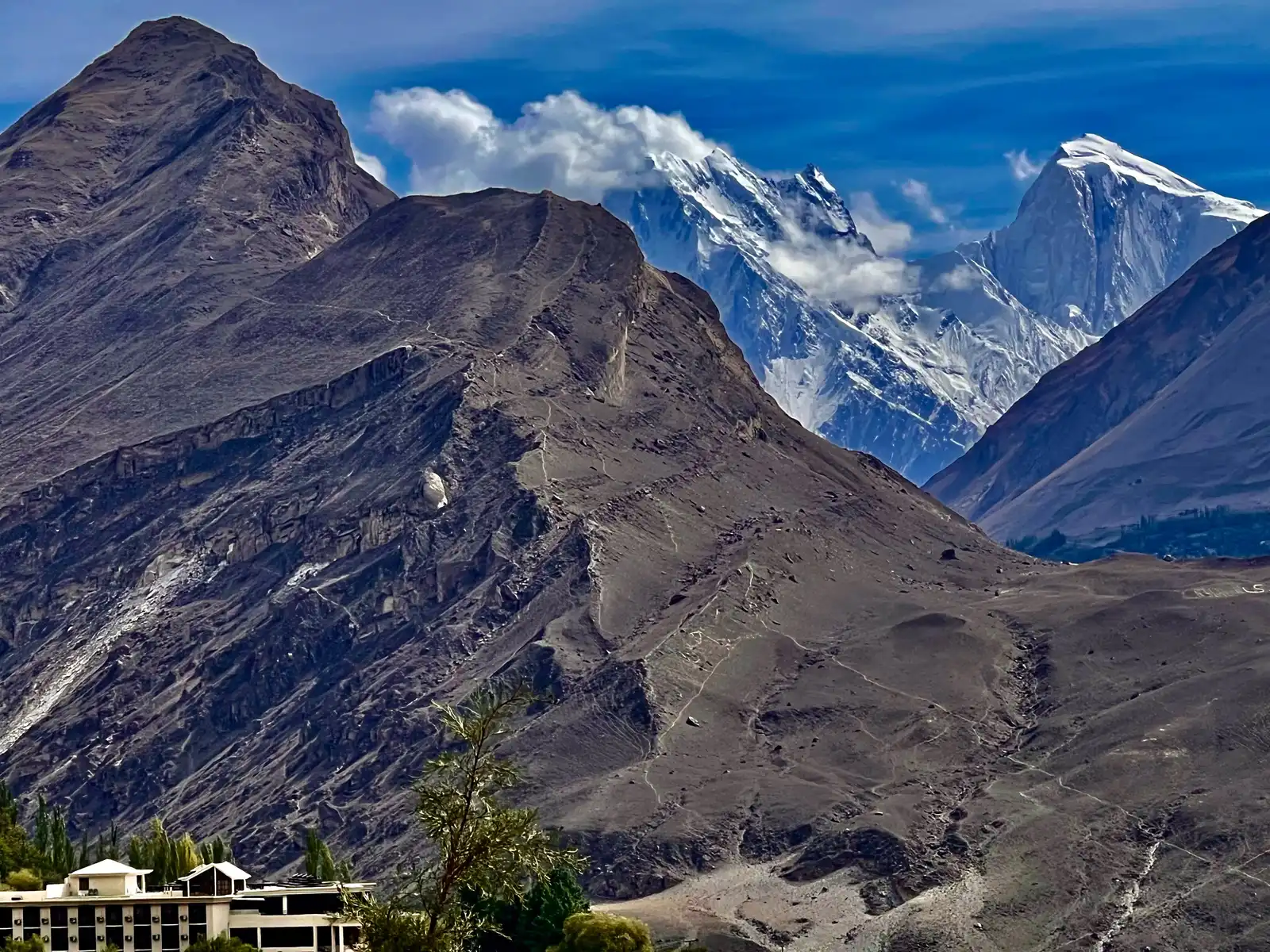
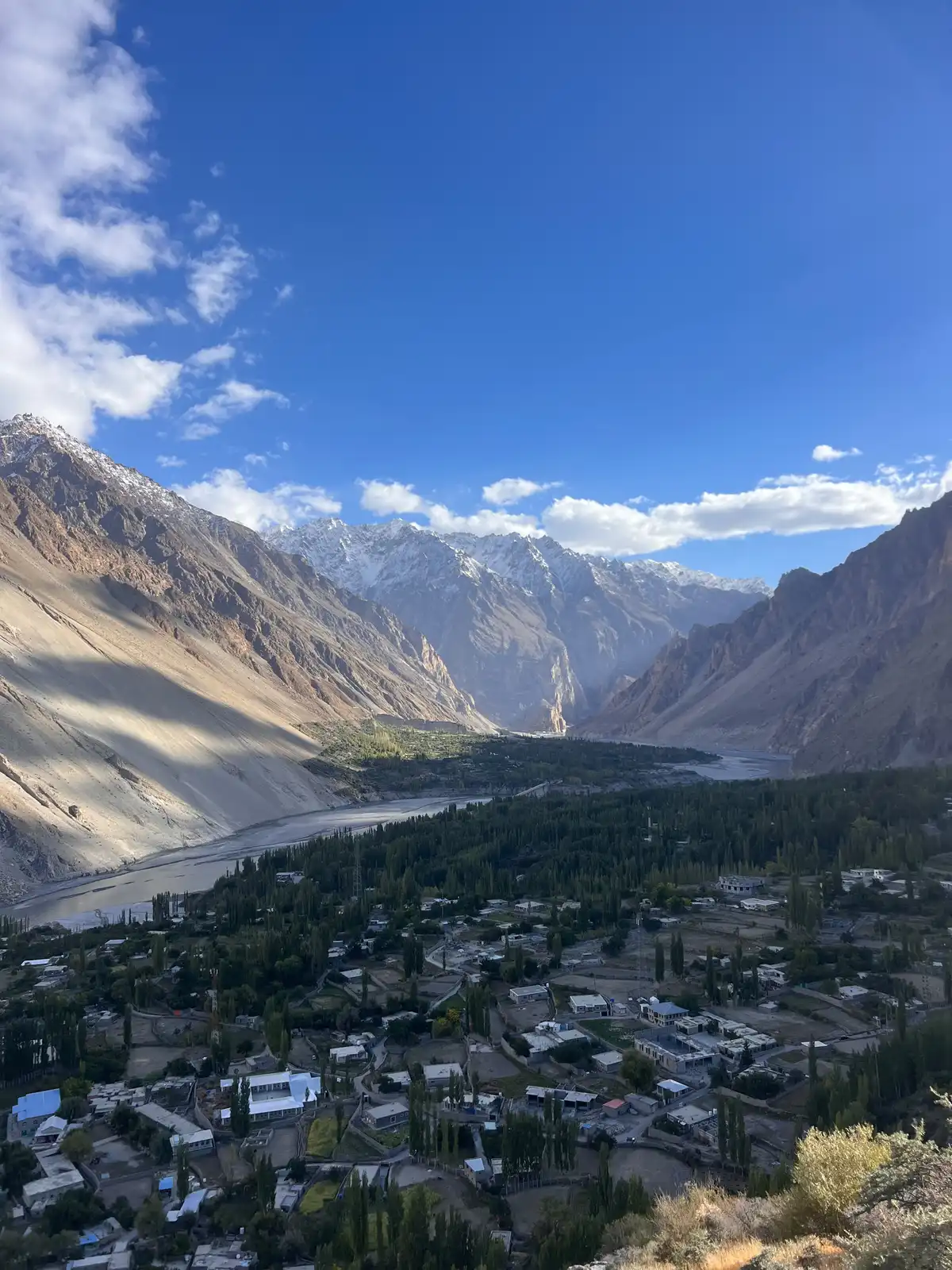
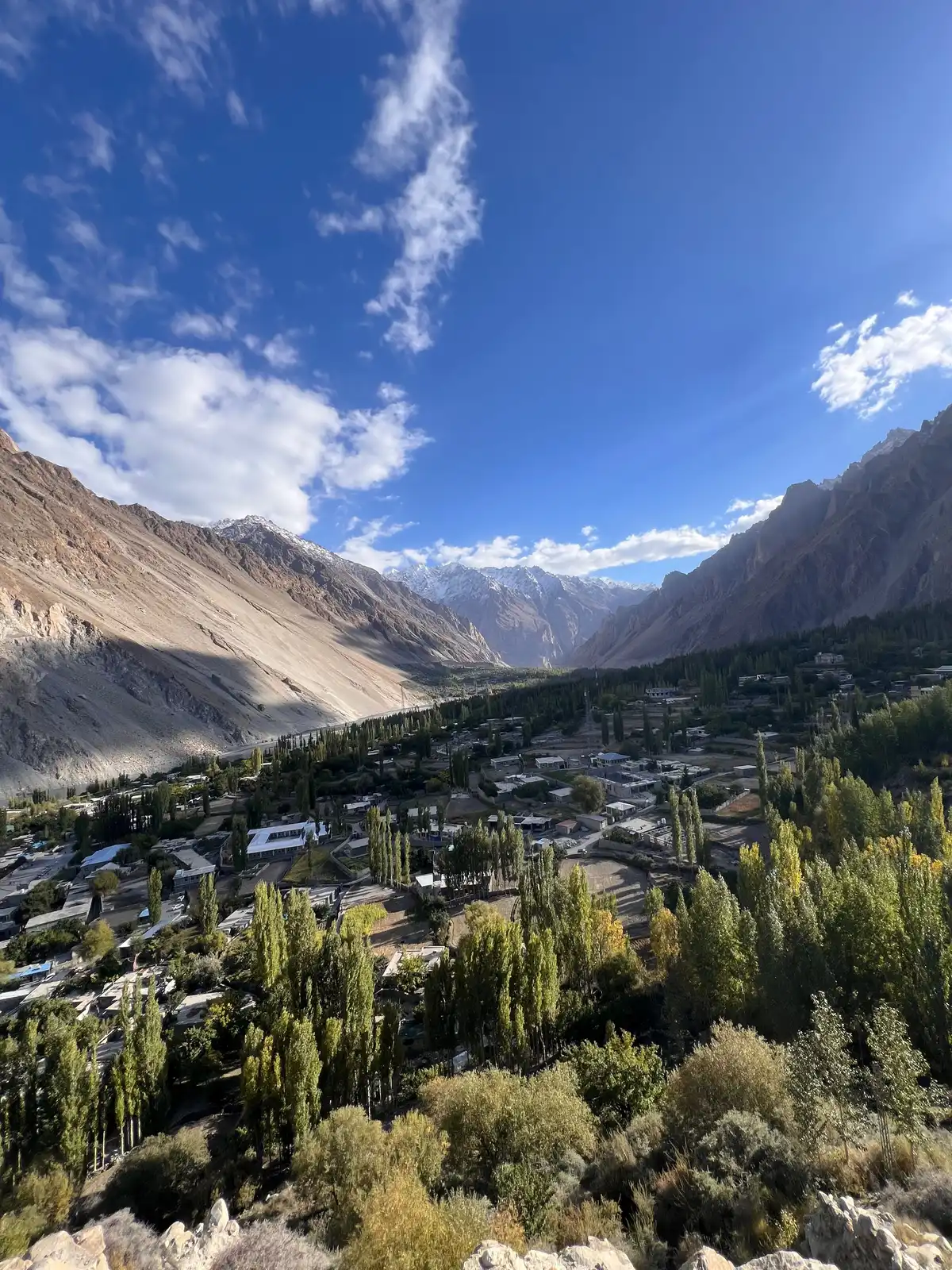
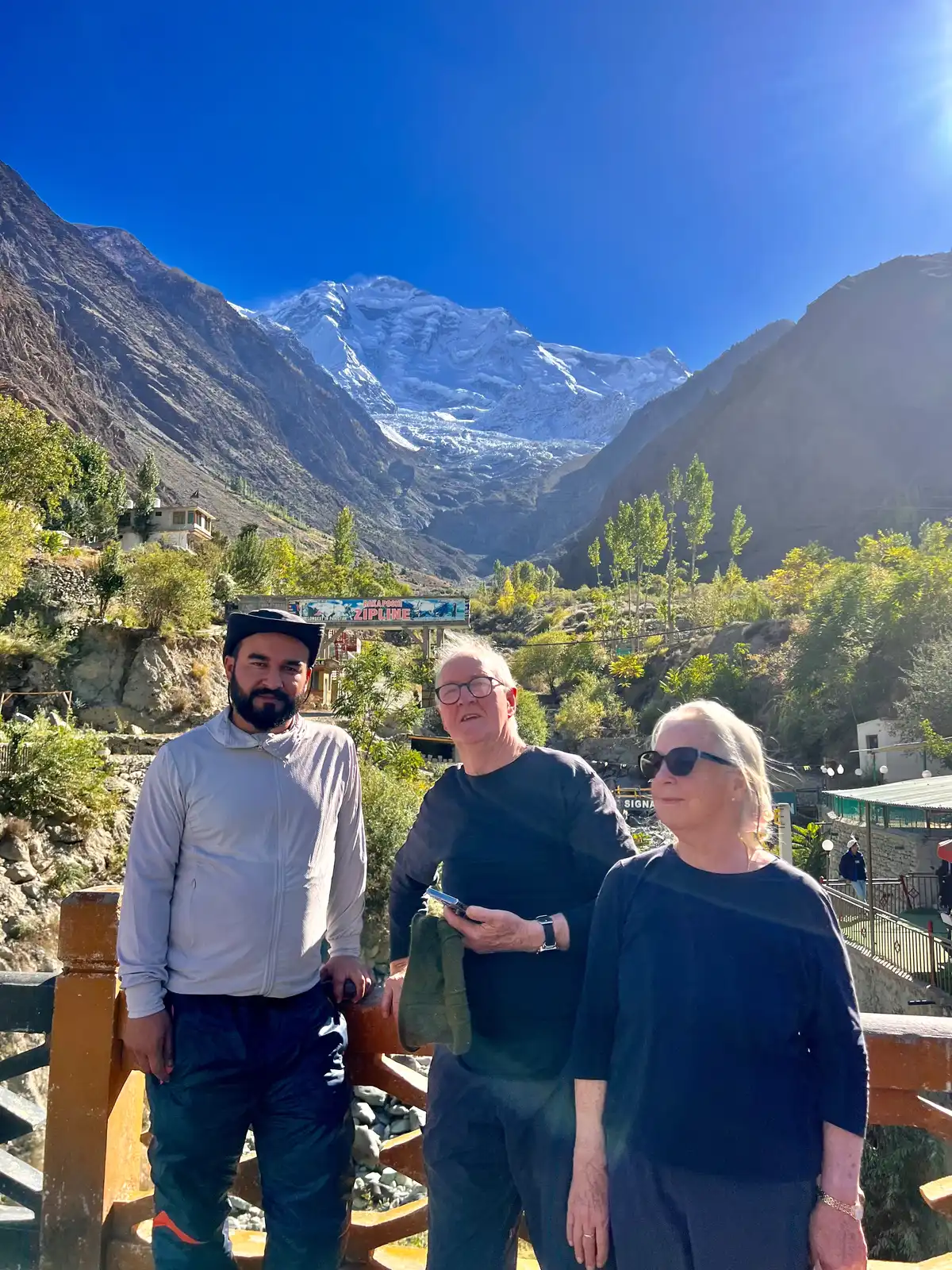
Ask any traveler who has been to northern Pakistan what surprised them most, and many will say Hunza. Turquoise lakes, apricot orchards, centuries-old forts, and terraced villages sit beneath the towering forms of Rakaposhi, Ultar Sar, and the Passu Cones.
Wander the stone corridors of Baltit and Altit Forts, hike to glacial viewpoints above Karimabad, or simply sit with a cup of local tea and watch the light change on the peaks. Hunza is where Pakistan's mountain hospitality shines brightest unhurried, warm, and deeply rooted in tradition.
4: Beyond Trekking: "Rafting, Jeep Safaris, and Wild Landscapes."
Pakistan's adventure menu extends well beyond trekking boots. The Indus River offers thrilling white-water rafting, while rugged 4x4 jeep tracks wind through remote mountain passes connecting Gilgit-Baltistan and Chitral.
Camp beside alpine lakes, cross the high plains of Deosai National Park home to brown bears and endless wildflower fields or explore the green valleys of Swat and Kaghan, often called the
"Switzerland of Pakistan."
There is a version of adventure here for every traveler, from gentle scenic drives to full wilderness immersion.
5: Cultural Encounters: "Ancient Heritage and Living Traditions."
Pakistan's story isn't written only in its mountains. In Lahore, wander centuries-old bazaars and Mughal architecture. In Islamabad, admire the striking modern lines of Faisal Mosque. In Taxila, walk among the ruins of an ancient Buddhist civilization that once connected Asia along the Silk Road.
And in the valleys of Chitral, meet the Kalash people, whose distinct language, dress, and festivals exist nowhere else on Earth. Every region of Pakistan carries its own identity, and travelers who venture beyond the peaks discover a country as culturally rich as it is geographically dramatic.
6: Challenging Expeditions: "Peak Climbing and Mountaineering."
For climbers, Pakistan is the ultimate proving ground. The Karakoram alone holds K2, Gasherbrum I, Gasherbrum II, and Broad Peak, while Nanga Parbat anchors the western Himalayas nearby.
Beyond the 8,000-meter giants, peaks like Spantik the "Golden Peak" offer serious but more attainable climbing objectives, along with numerous trekking peaks suited to those building alpine experience under professional guidance. These are expeditions that demand respect, preparation, and humility before the mountains.
7: Responsible Tourism: "Protecting Pakistan's Natural Treasures."
The glaciers, forests, and valleys that make Pakistan extraordinary are also fragile. Climate change is already reshaping the Karakoram's ice fields, making responsible travel more important than ever.
Choose local guides and porters, minimize waste, follow Leave No Trace principles, and respect the customs of mountain communities. Responsible tourism doesn't just protect landscapes it sustains the families and villages whose livelihoods depend on them.
Planning Your Visit
Pakistan's mountain regions experience four distinct seasons, each offering a different kind of beauty:
Blossom season runs from March to May, when orchards across Hunza and Gilgit burst into bloom.
Spring continues from May into June, with melting snow revealing green valleys.
Summer, from June to September, is peak trekking season trails are clear, weather is stable, and high passes are accessible.
Autumn arrives in October and November, painting the valleys in gold and crimson, ideal for photography and cultural travel.
Winter, from November to February, transforms the north into a quiet, snow-covered world suited to those seeking solitude rather than high-altitude trekking.
For serious trekking and mountaineering, the best window is early June through late September, when trails, glaciers, and high camps are most accessible.
Whether you're dreaming of standing before K2, wandering the orchards of Hunza, or sharing tea with a Kalash elder in Chitral, Pakistan offers an adventure that reshapes how you see the world one valley, one peak, one story at a time.
There is a place on Earth where glaciers stretch for a hundred kilometers, where five of the planet's fourteen 8,000-meter giants stand shoulder to shoulder, and where mountain villages still greet st
VIEW PROFILE →