The Middle East airspace crisis has disrupted millions of journeys.
The news has been hard to miss. Since late February 2026, the escalating conflict involving Iran has closed or severely disrupted airspace across the Gulf region. Dubai, Doha, and Abu Dhabi — the three hubs that once funnelled half the world's long-haul traffic — are no longer reliable transit points. Emirates, Qatar Airways, and Etihad are operating at a fraction of normal capacity, and thousands of travellers are stranded, rerouted, or simply giving up on their plans.
If you had Central Asia on your list for 2026, you might be wondering whether your trip is off the table. It isn't. Not even close.
Central Asia Was Never Really Dependent on the Gulf
Here's what the headlines miss: Kazakhstan, Kyrgyzstan, Uzbekistan, Tajikistan, and Turkmenistan have their own direct connections to Europe and Asia that predate the Gulf hub era and have nothing to do with it. Almaty, Tashkent, and Astana are major aviation hubs in their own right. The Silk Road was connecting civilisations long before Emirates launched its first flight, and the air routes reflect that history.
The Gulf crisis has actually done something useful: it has revealed just how well-connected Central Asia already is through safer, more direct corridors — corridors that were always there, just underused.
The Safe Routing: What's Flying Right Now
Istanbul Is Your Best Friend
If there's one airport you should have on your radar right now, it's Istanbul. Turkish Airlines has continued operations normally and flies direct year-round to all five Central Asian capitals: Almaty, Astana, Tashkent, Bishkek, Dushanbe, and Ashgabat. Every major European city connects to Istanbul, and the onward flight to Central Asia routes entirely north of the conflict zone.
Pegasus and AJet offer budget-friendly Istanbul connections for travellers watching their costs.
Direct Flights from Europe — No Stopover Needed
For several Central Asian destinations, you don't even need a hub:
Almaty is the best-connected gateway on the continent. Air Astana flies direct from London Heathrow and Frankfurt year-round. Lufthansa resumed its Frankfurt–Almaty service in late March 2026. LOT Polish Airlines connects Warsaw direct. And Italian low-cost carrier Neos just launched a Milan Malpensa–Almaty route this spring.
Astana, Kazakhstan's capital, has direct flights from Frankfurt (Air Astana and Lufthansa), Warsaw (LOT), and Prague (Scat Air) — all year-round.
Tashkent is particularly well-served. Uzbekistan Airways flies from Frankfurt, Warsaw, and Riga. And in a sign of the times, Uzbek startup Centrum Air launched new direct routes from Frankfurt and Copenhagen specifically for spring 2026 — a direct response to the Gulf disruption and a sign that Central Asia is positioning itself as a new aviation hub.
Bishkek is reachable via Istanbul on Turkish Airlines or Pegasus, and Scat Air runs a direct Prague–Bishkek flight — one of the longer nonstops in the region at around six and a half hours.
Dushanbe and Ashgabat both connect most easily through Istanbul. For Ashgabat, Turkish Airlines and Turkmenistan Airlines together account for the majority of all international flights out of the city.
From the US?
Uzbekistan Airways operates direct flights from New York JFK and Newark to Tashkent — a route that has nothing to do with the Middle East. For other Central Asian destinations, connections via Istanbul, Warsaw, or Frankfurt work cleanly.
From Asia?
If you're coming from China, India, or Southeast Asia, the picture is equally good. Air Astana connects Almaty directly with Beijing, Shanghai, and New Delhi. From Southeast Asia, connections via Kuala Lumpur or Bangkok to Almaty are also available.
The Geography Matters
It helps to look at a map. Central Asia sits to the northeast of the conflict zone, not above it. Almaty is closer to Beijing than it is to Dubai. The flight from Istanbul to Almaty crosses the Caspian Sea, grazes Kazakhstan's southern steppe, and arrives in a region that feels — geographically and culturally — entirely distinct from the Middle East.
The countries that are disrupted (Iran, the UAE, Qatar, Iraq, Saudi Arabia) form a corridor to the south and southwest of Central Asia. Routes from Europe that travel northeast — through Turkey, across the Caucasus, over the Caspian — bypass the conflict zone entirely. This is not a workaround. It's the natural geography of the region.
What This Means for Your Trip
For travellers who've been waiting for the right moment to visit Central Asia, this is actually an unexpectedly good time to move. Here's why:
Prices are competitive. The rush of travellers avoiding Southeast Asia and South Asia via the Gulf has increased demand on those routes — but Central Asia hasn't yet seen the same surge. Fares remain reasonable.
The destinations are extraordinary. Samarkand's Registan. The wild mountains of Kyrgyzstan. Almaty's cosmopolitan energy against a backdrop of snow-capped peaks. The haunting emptiness of the Turkmen desert. None of this has changed.
Logistics on the ground are solid. Kazakhstan, Uzbekistan, and Kyrgyzstan have all made significant investments in tourism infrastructure in recent years. Visa processes have been simplified for most European and American passport holders. English-speaking local guides, drivers, and hosts are easier to find than ever.
Your itinerary is flexible. Because multiple entry points are functioning well — Almaty, Tashkent, Bishkek — you can mix and match arrival and departure cities to build open-jaw itineraries that cover more ground without backtracking.
Before You Book: A Few Practical Notes
- Always book with a flexible fare. The situation in the broader region is still evolving. Choose tickets with free date changes where possible.
- Sign up for flight status alerts with your airline the moment you book.
- Check your visa requirements before flying. Kazakhstan and Kyrgyzstan are visa-free for most EU and US passport holders. Uzbekistan's e-visa is quick and inexpensive. Tajikistan and Turkmenistan require more advance planning.
- For Turkmenistan, visa processing through a local ground operator remains the most reliable route — it's a country that rewards those who plan ahead.
- Travel insurance should cover route changes and airspace disruptions. Read the small print.
The Bottom Line
The Gulf airspace crisis has reminded the world that there are other ways to reach Asia — routes that are not only safe but, in many cases, more direct and more interesting. Central Asia has always been accessible through Istanbul, Frankfurt, Warsaw, and London. It always will be.
If the Silk Road has been on your list, the question was never whether Central Asia was reachable. It always has been. The question is when you're going.
Now is a very good answer.
Ready to plan your trip? Indy Guide connects you with verified local guides, drivers, and hosts across Kazakhstan, Kyrgyzstan, Uzbekistan, Tajikistan, Turkmenistan, and beyond. [Start your journey →]
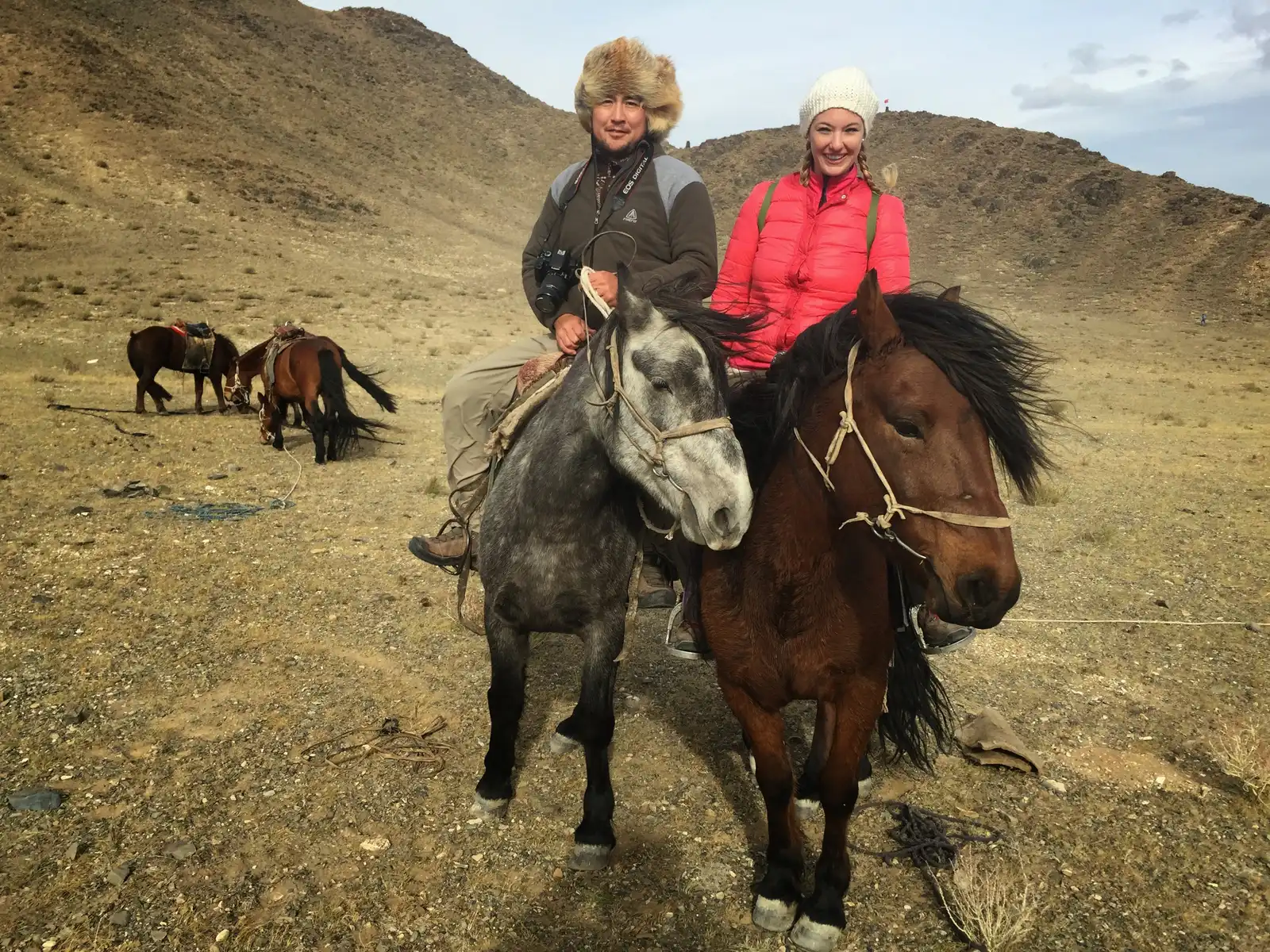
The Middle East airspace crisis has disrupted millions of journeys — but your Silk Road adventure doesn't have to be one of them. The news has been impossible to ignore. Since late February 2026, esc
VIEW PROFILE →