Kazakhstan is rich not only rich in its nature but also in history. It has always been of importance because of its geographic location and there are many stories about emperors, great wars and nomadic warriors. But the sad history Kazakhstan shares with nuclear power and its abuse is less known.
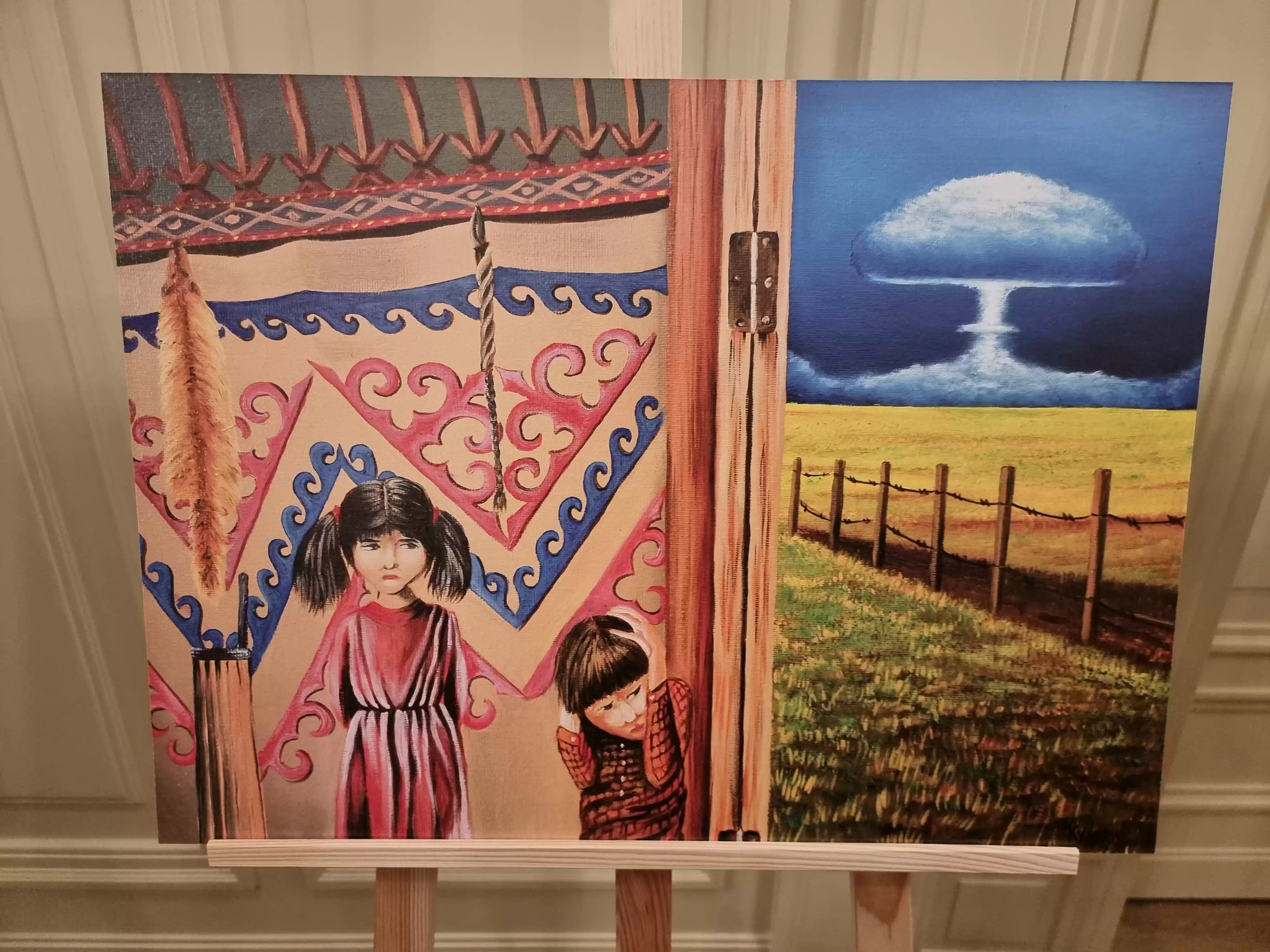
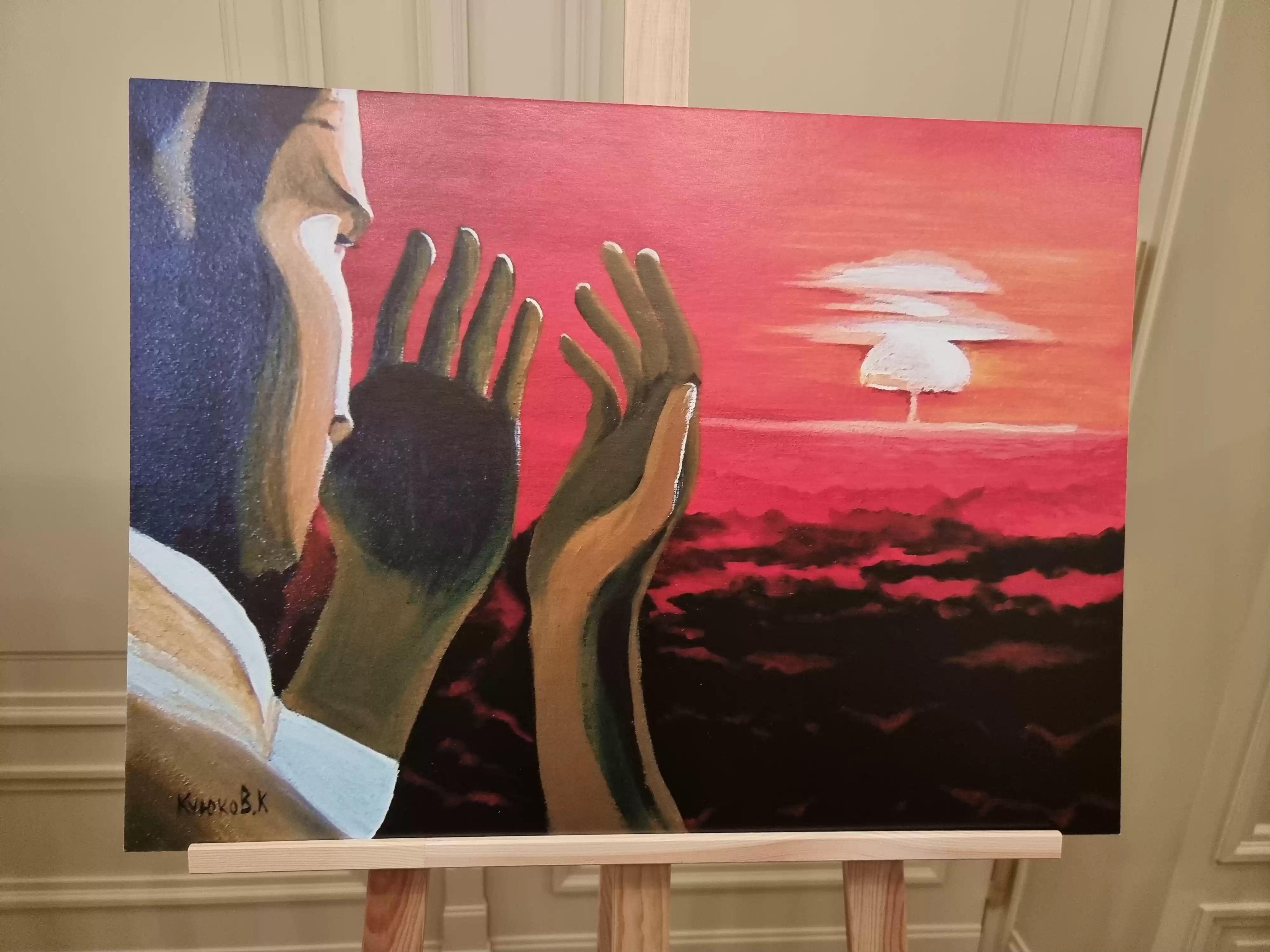
In 1949, the Soviet Union decided that their primary nuclear test site will be in the Kazakh steppe in the northeastern part of the country, mainly known as the Polygon in Semipalatinsk. From 1949 until 1989, over 450 nuclear bombs detached on Kazakh land. It is estimated that over 1.5 million people were exposed to nuclear radiation over all these years. The crucial effects on the population were long hidden by the Soviets and only came to light after years of pollution.
In 1989, the Kazakh people found allies in the US, namely the people who suffered from the same effects caused by the US nuclear test site in Nevada. The “Nevada Semipalatinsk”-Movement was formed and led to the closing of the Semipalatinsk test site in 1991 by president Nursultan Nazarbayev. The alliance made, according to UNESCO, a big contribution to draw the attention of the public to fight against nuclear threats.
In honour of the 30th anniversary of the closing of the Semeytinsk nuclear test site, the Kazakh Embassy in Switzerland invited honoured guests to Bern to commemorate this important part of Kazakhstan’s history. The core of the event was the screening of the international documentary movie “Where the wind blew” by the director André Singer, a British filmmaker. The event was framed by an exhibition of the Kazakh artist Karikbek Kuyukov.
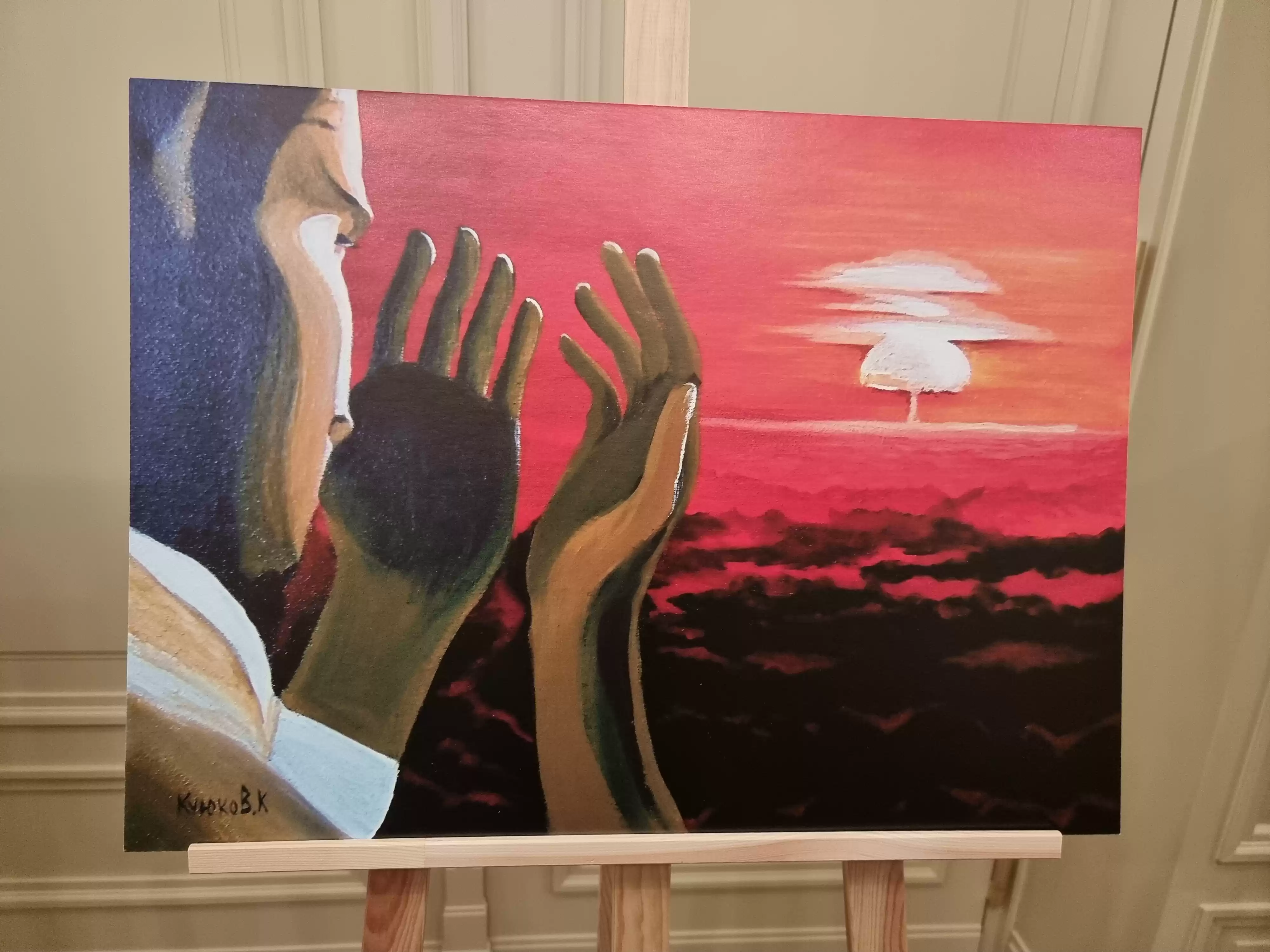
The documentary movie 'Where the wind blew' shows in a very moving way what the nuclear tests did to the people and the land of the Kazakhs and how it is still affecting and will affect the environment in that area for hundreds, even thousands of years to come. One of the many people who suffered from the nuclear test site is the Kazakh artist Karikbek Kuykov. His paintings show on a very emotional level his personal experiences of being exposed to radiation. Born with no arms he found a way to express his feelings and experiences with nuclear power in heartbreaking art pieces.
History is an important part of the culture of any country of the world. Be it positive or like in this case very negative. But it is still part of the whole experience of a nation. That is why it is important to deal also with the country’s history, stories and memories when travelling to a new country. It is the only way to really understand its people, to show respect and to have the authentic experience most travellers seek.
INDY GUIDE was honoured to be part of this event of the Kazakh Embassy in Switzerland.
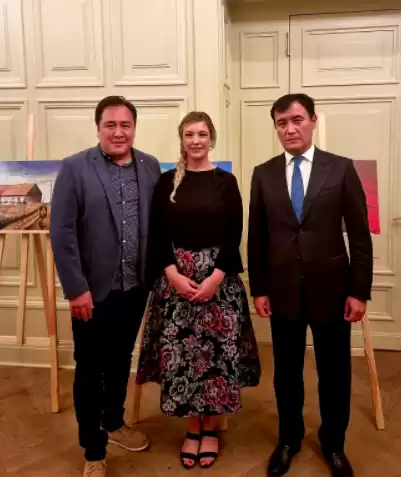
Ati Tosun, Alexandra Tosun, Alibek Bakaev (Ambassador of Kazakhstan to Switzerland)
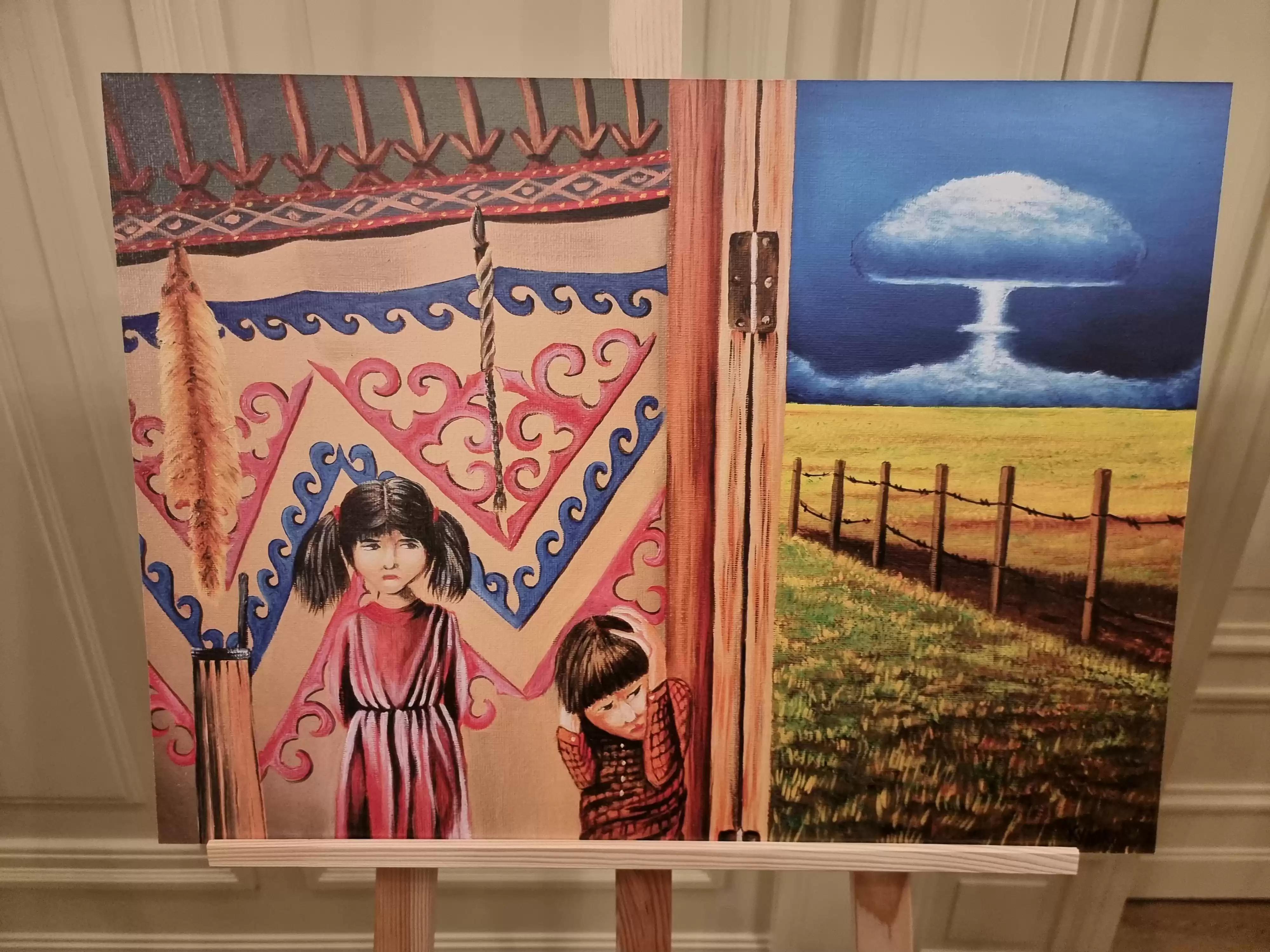
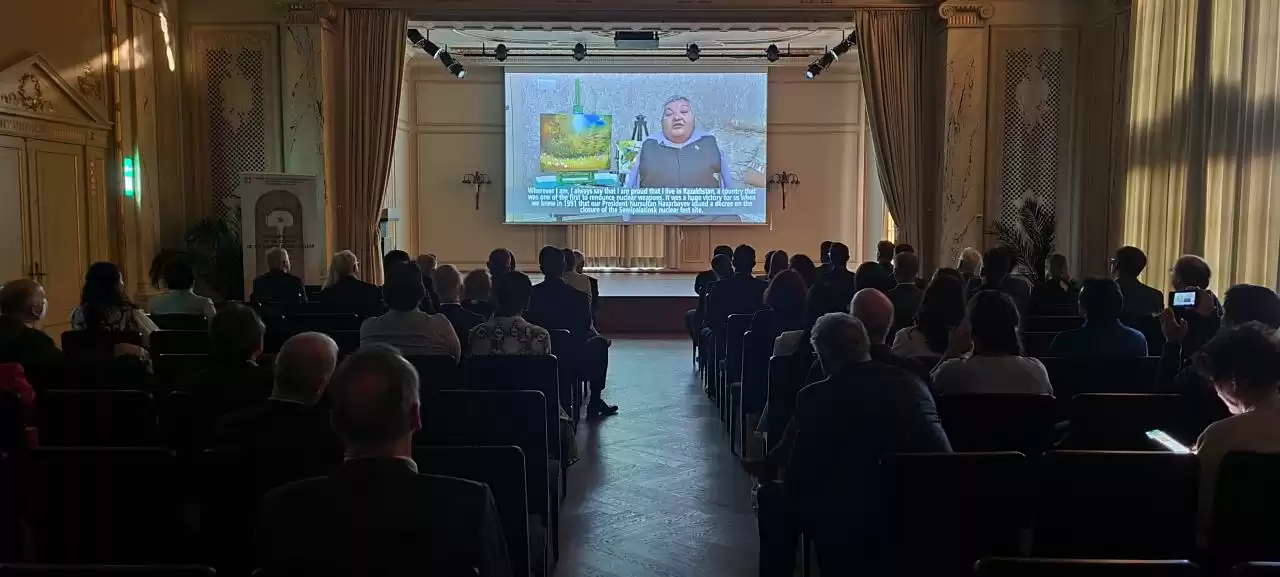
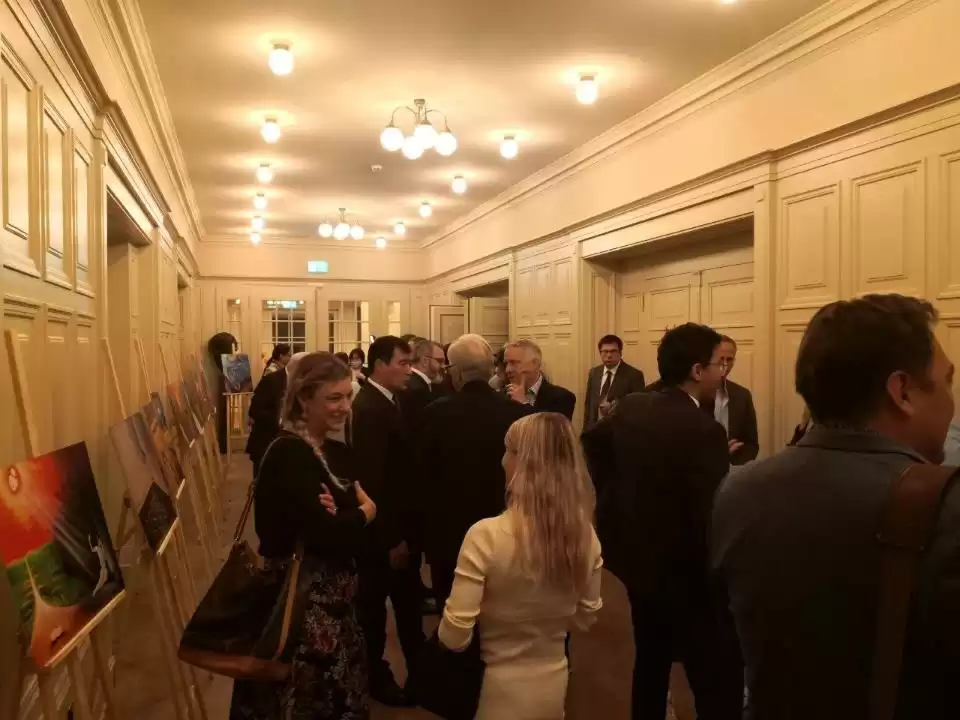
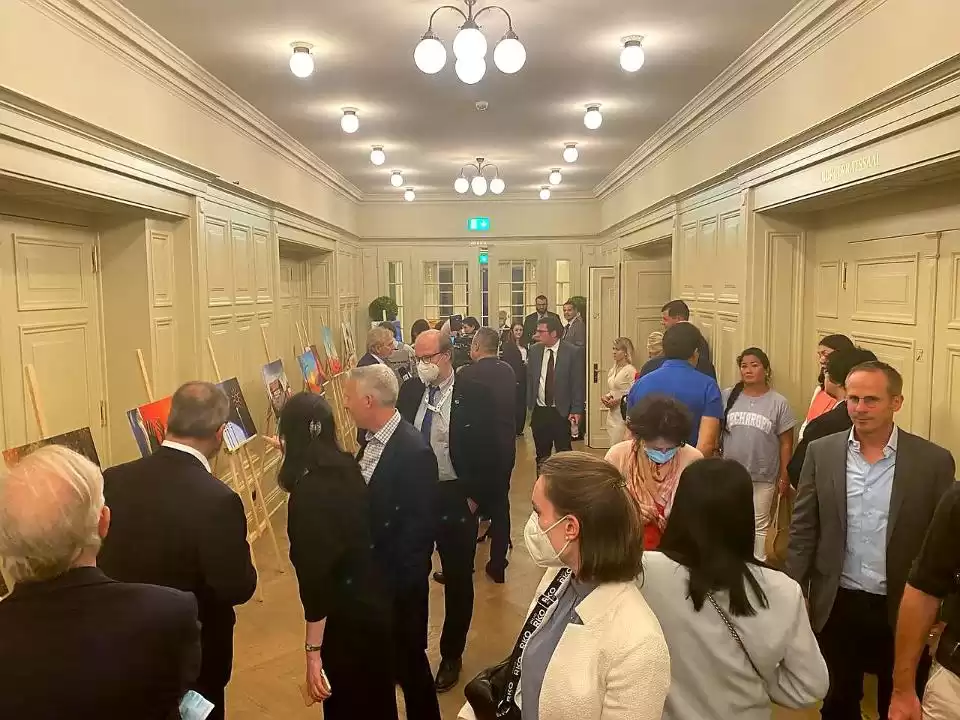
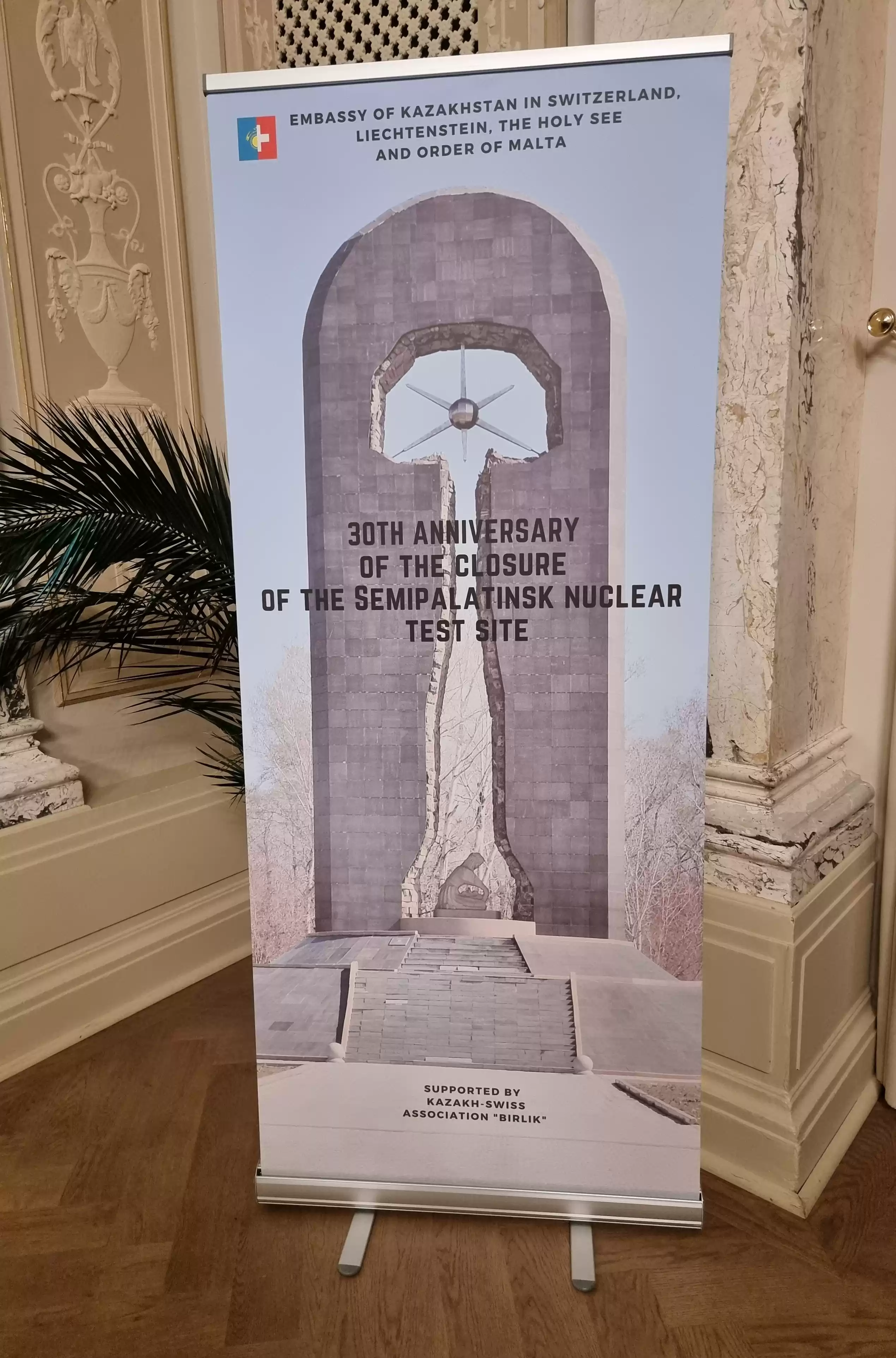
In honor of the 30th anniversary of the closing of the Semeytinsk nuclear test site the Kazakh Embassy in Switzerland invited honored guests to Bern to commemorate this important part of Kazakhstan’s history. The core of the event was the screening of the international documentary movie “Where the wind blew” by the director André Singer, a British film-maker. The event was framed by an exhibition of the Kazakh artist Karikbek Kuyukov.
VIEW PROFILE →