As international travelers ponder safety in lesser-explored destinations, Gilgit Baltistan emerges as a beacon of tranquility in Pakistan. Nestled at the confluence of the Hindu Kush, Karakoram, and Himalayan mountain ranges, this region, celebrated for its adventure travel allure, raises questions about its unwavering safety. What sets Gilgit Baltistan apart, making it one of the safest places on Earth?
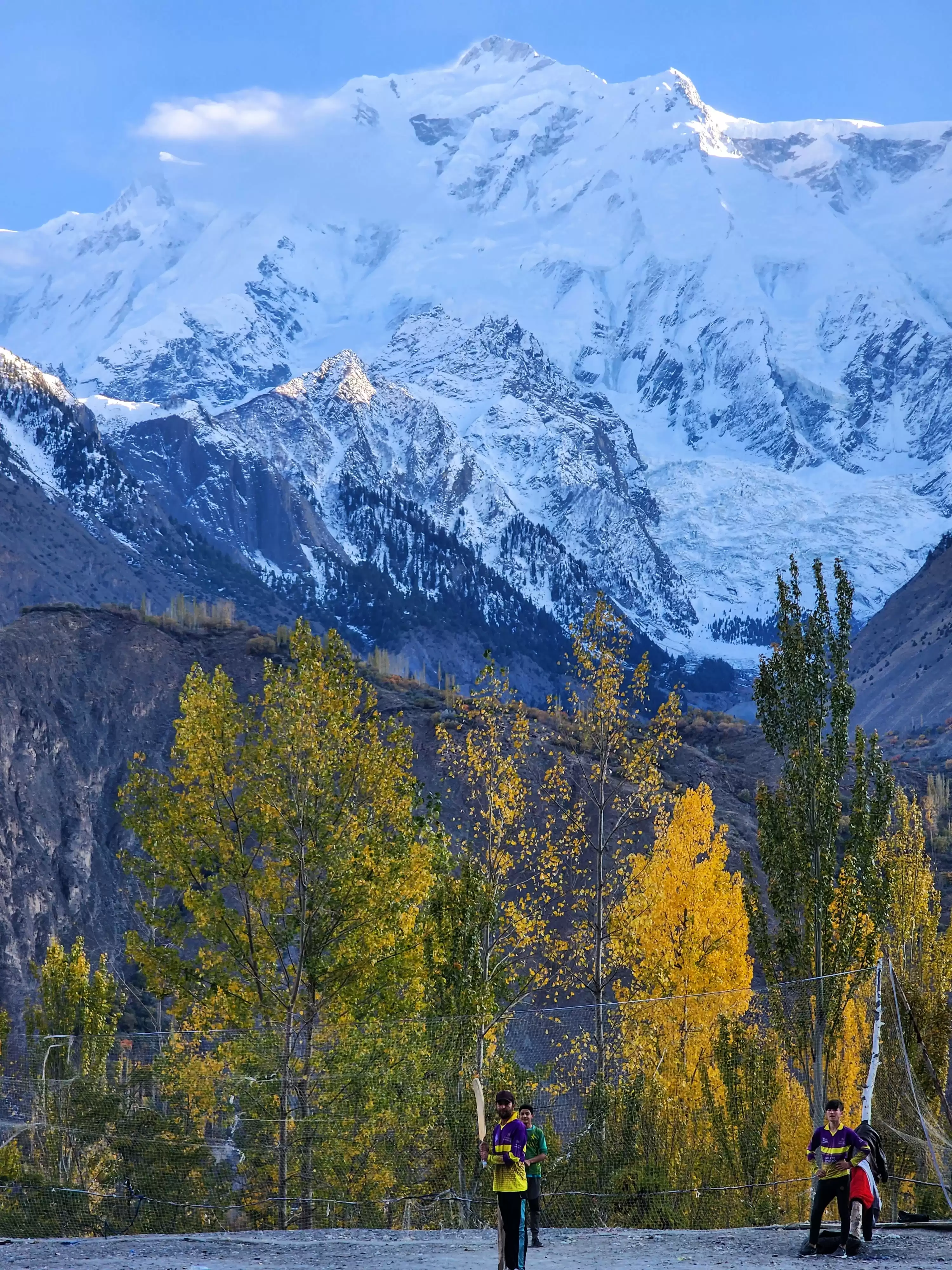
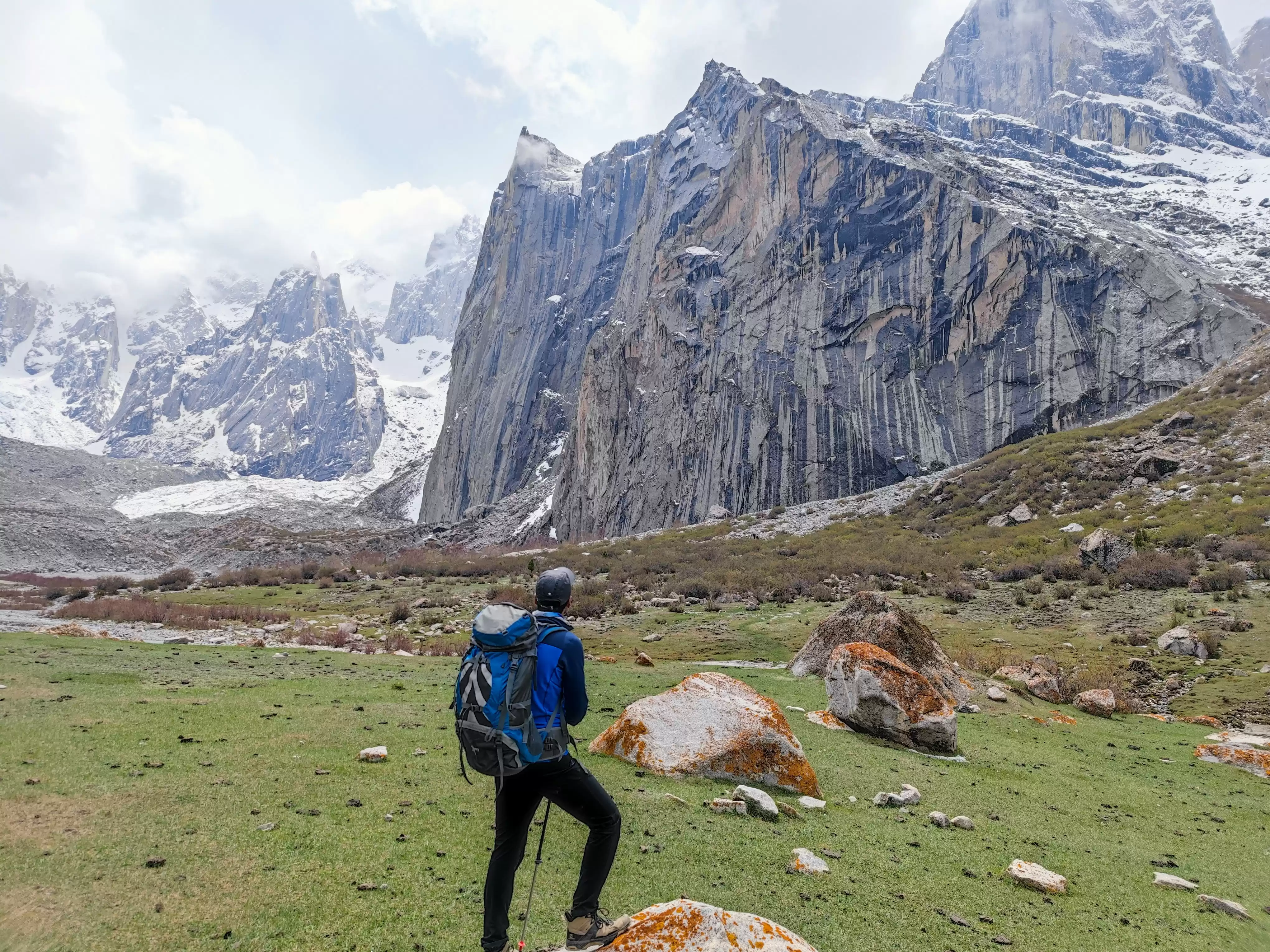
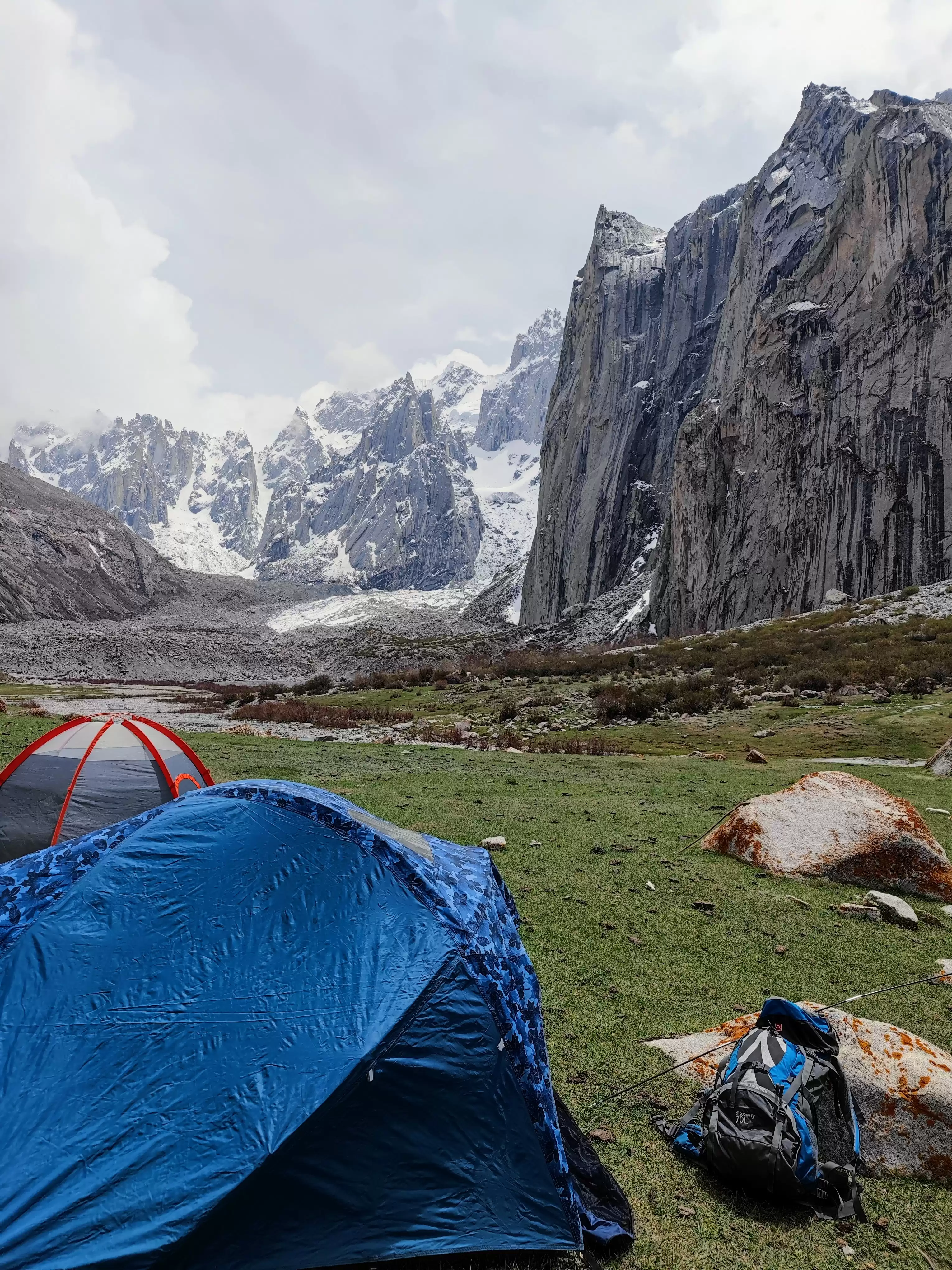
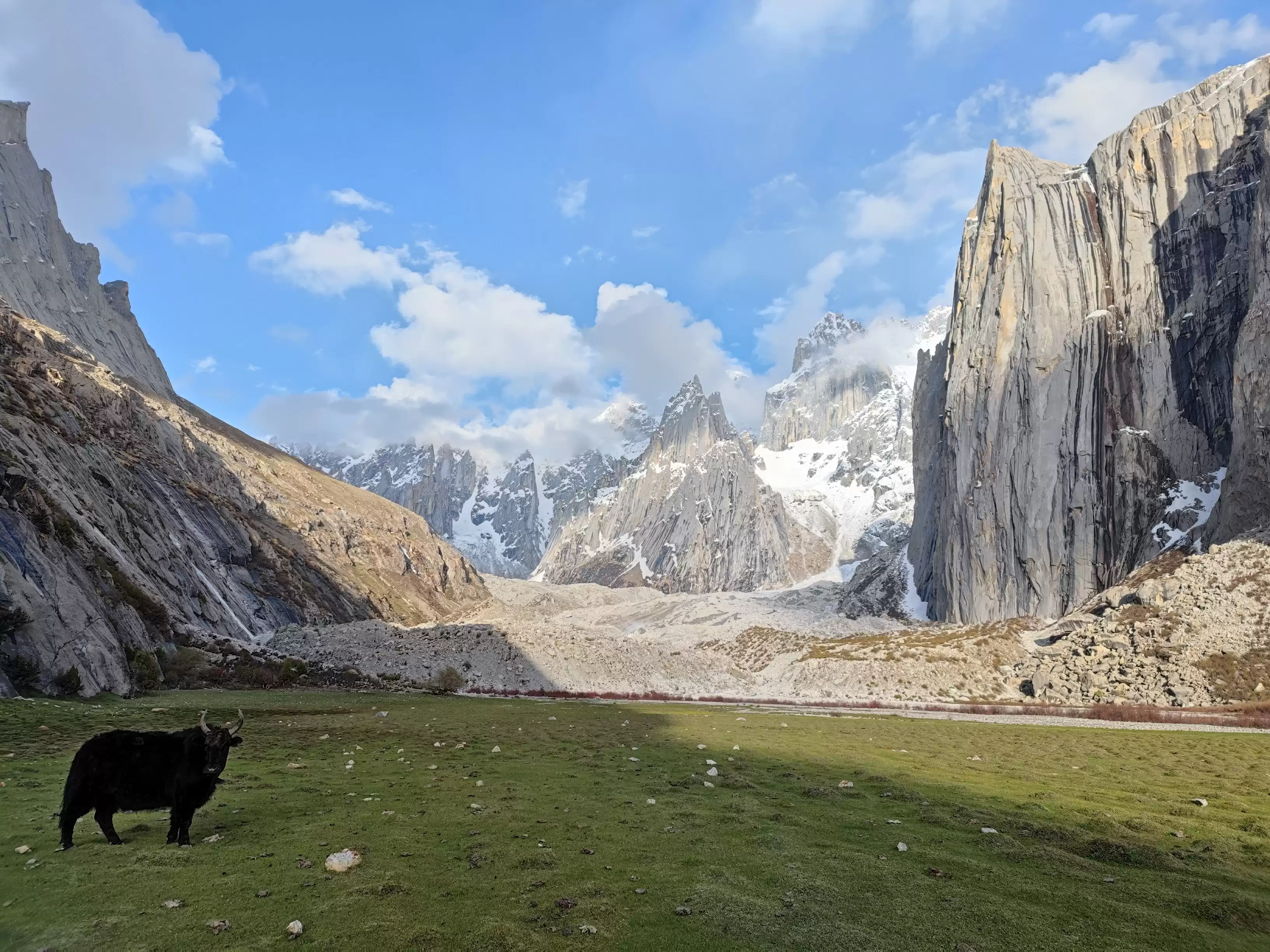
Gilgit Baltistan: Nature's Tapestry Beyond Safety:
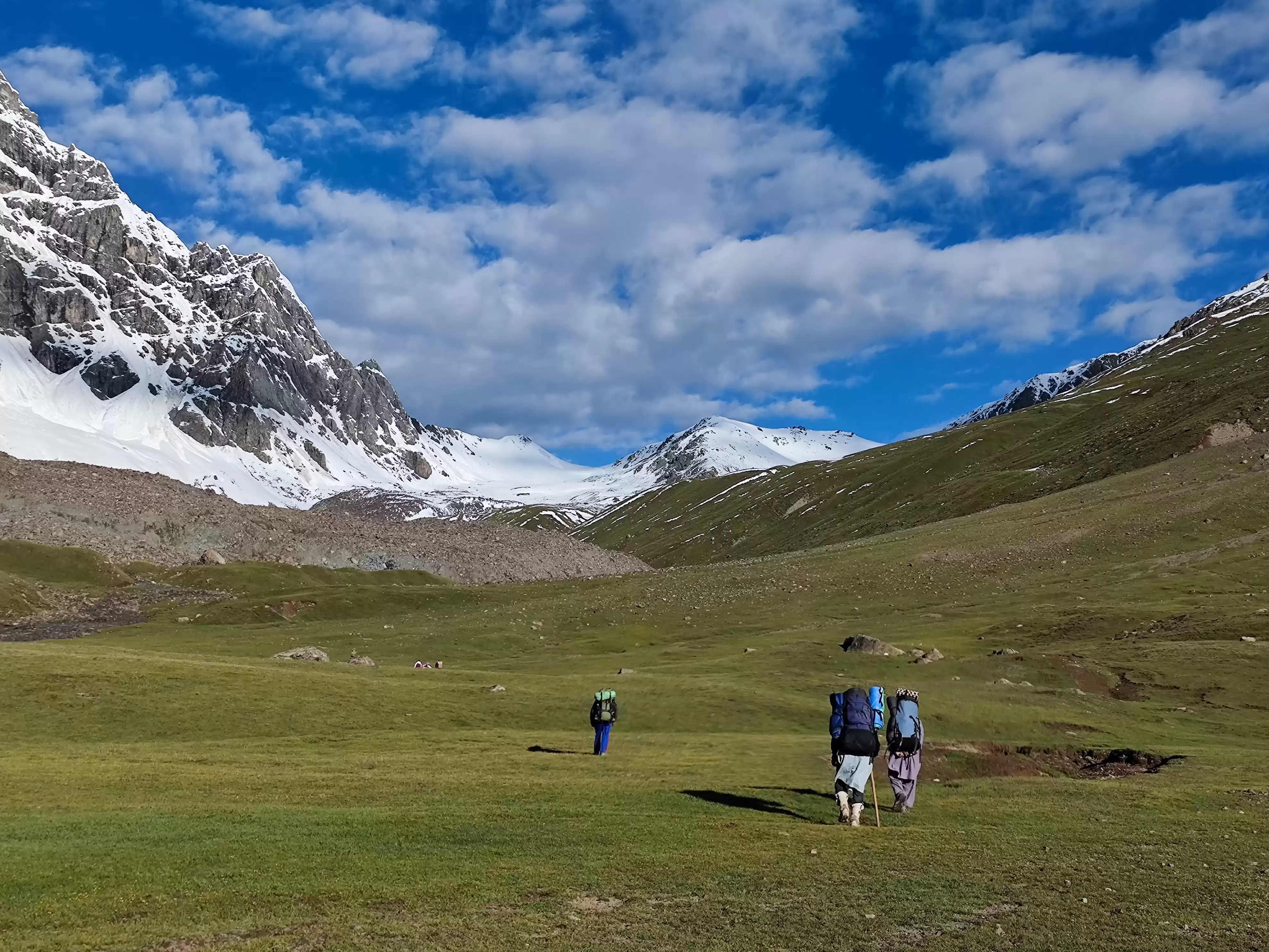
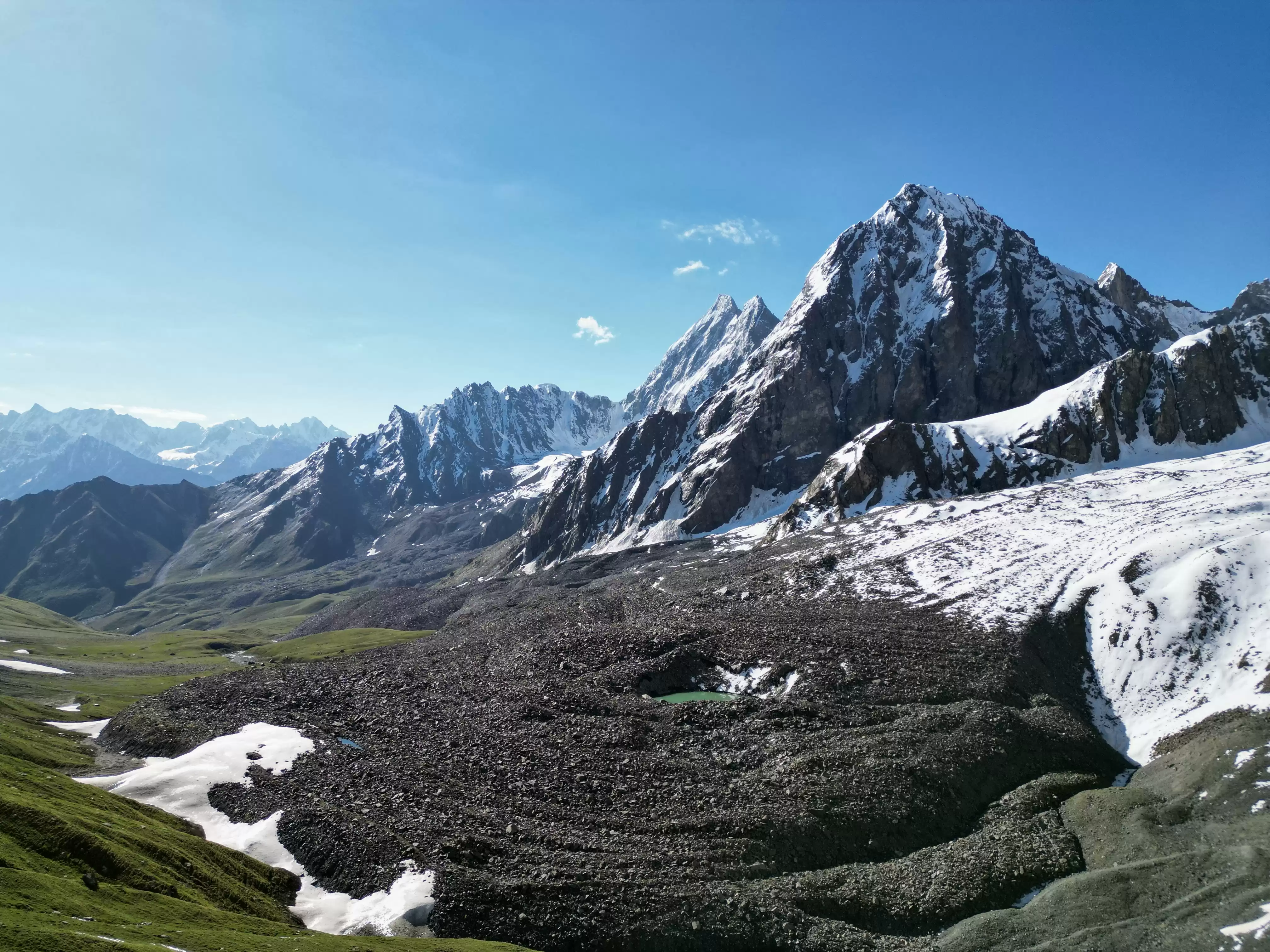
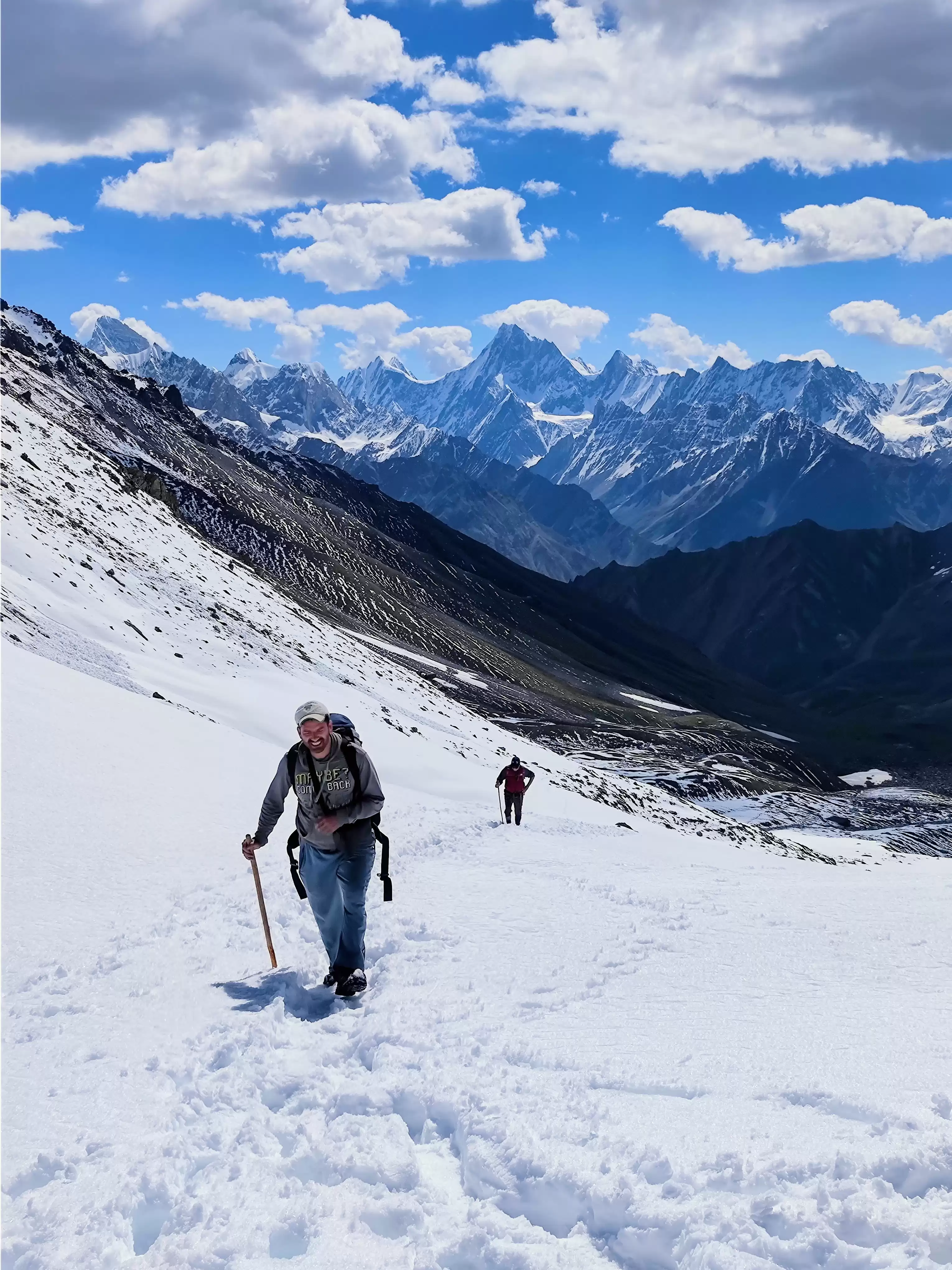
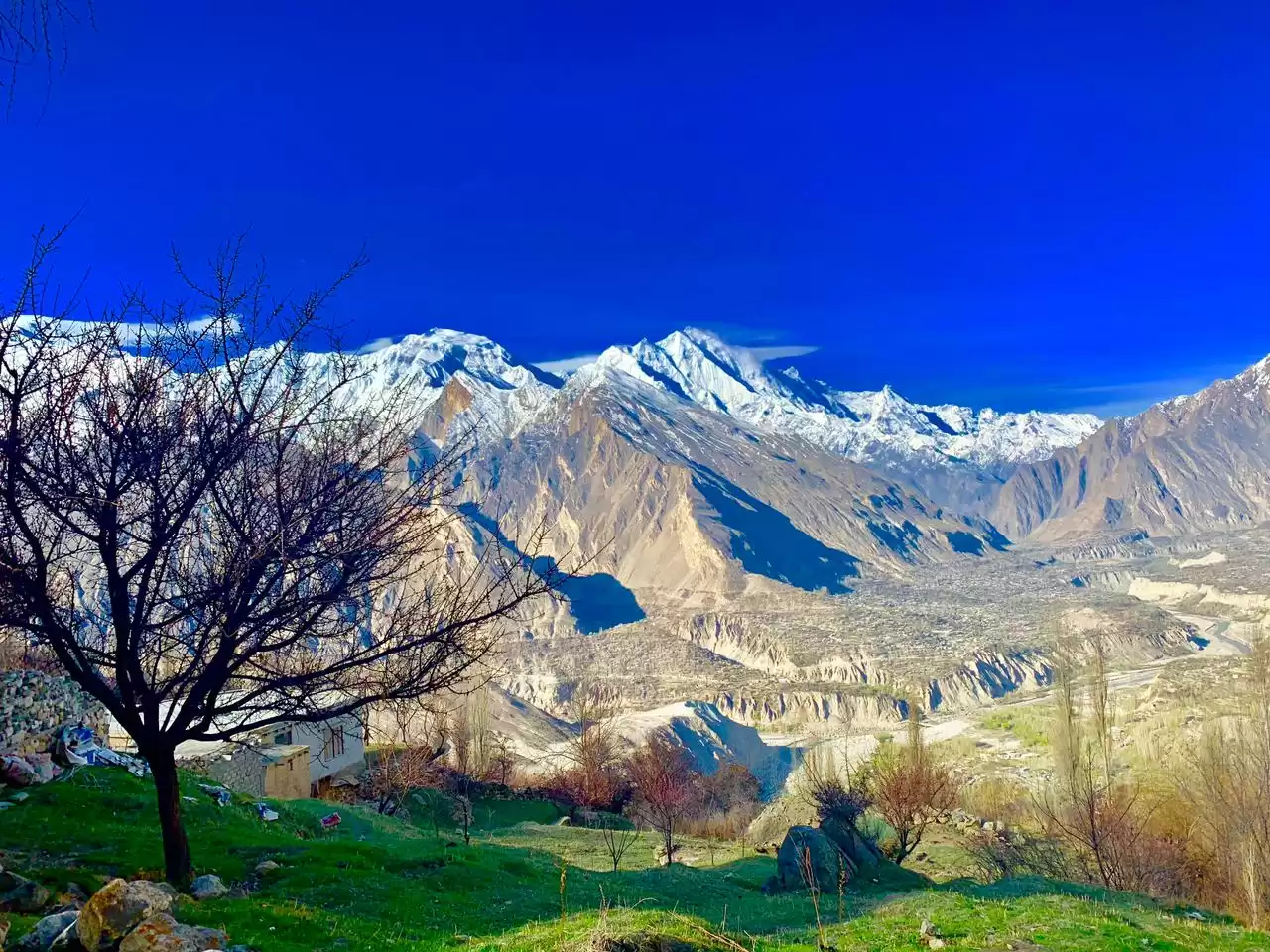
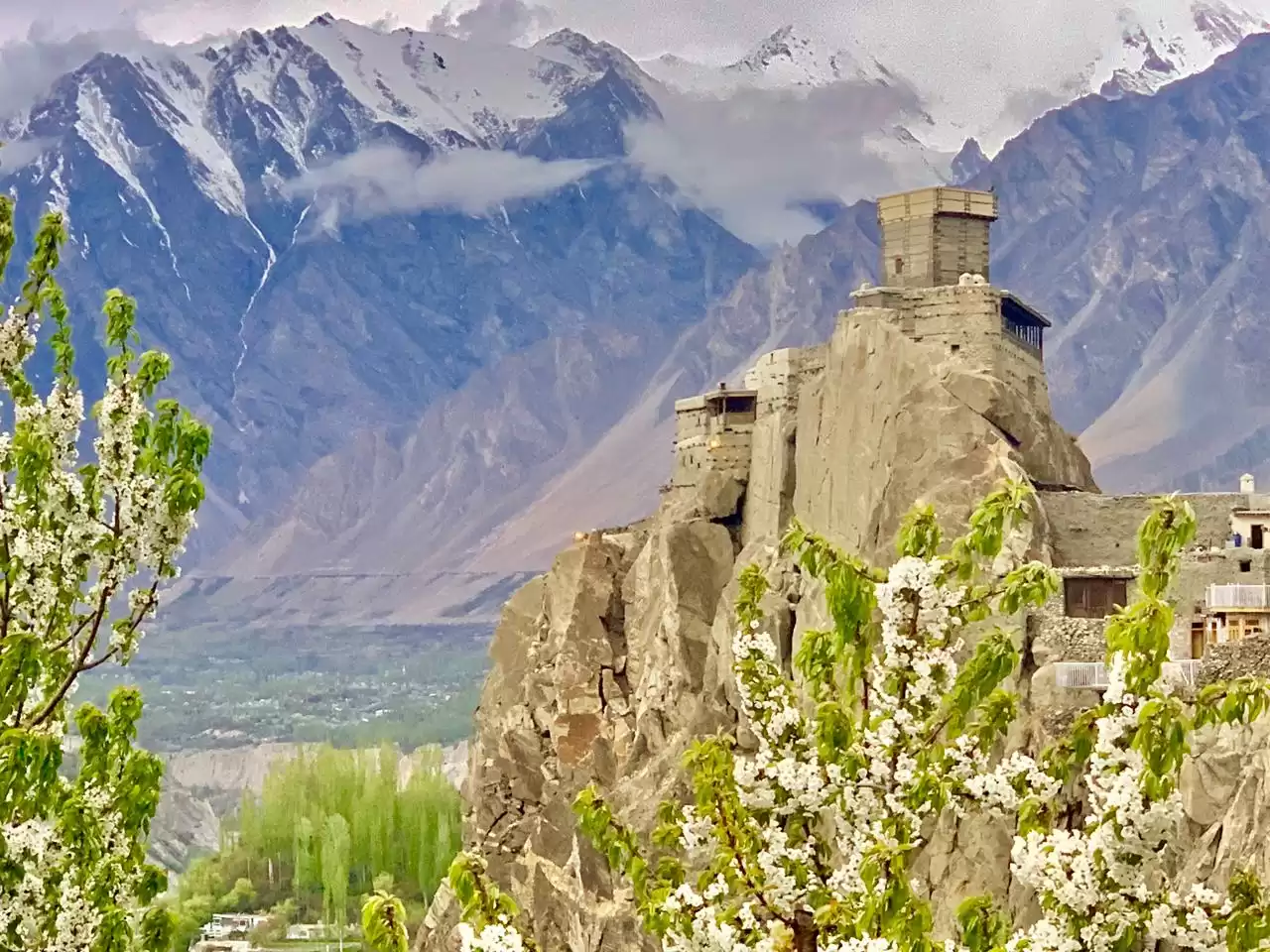
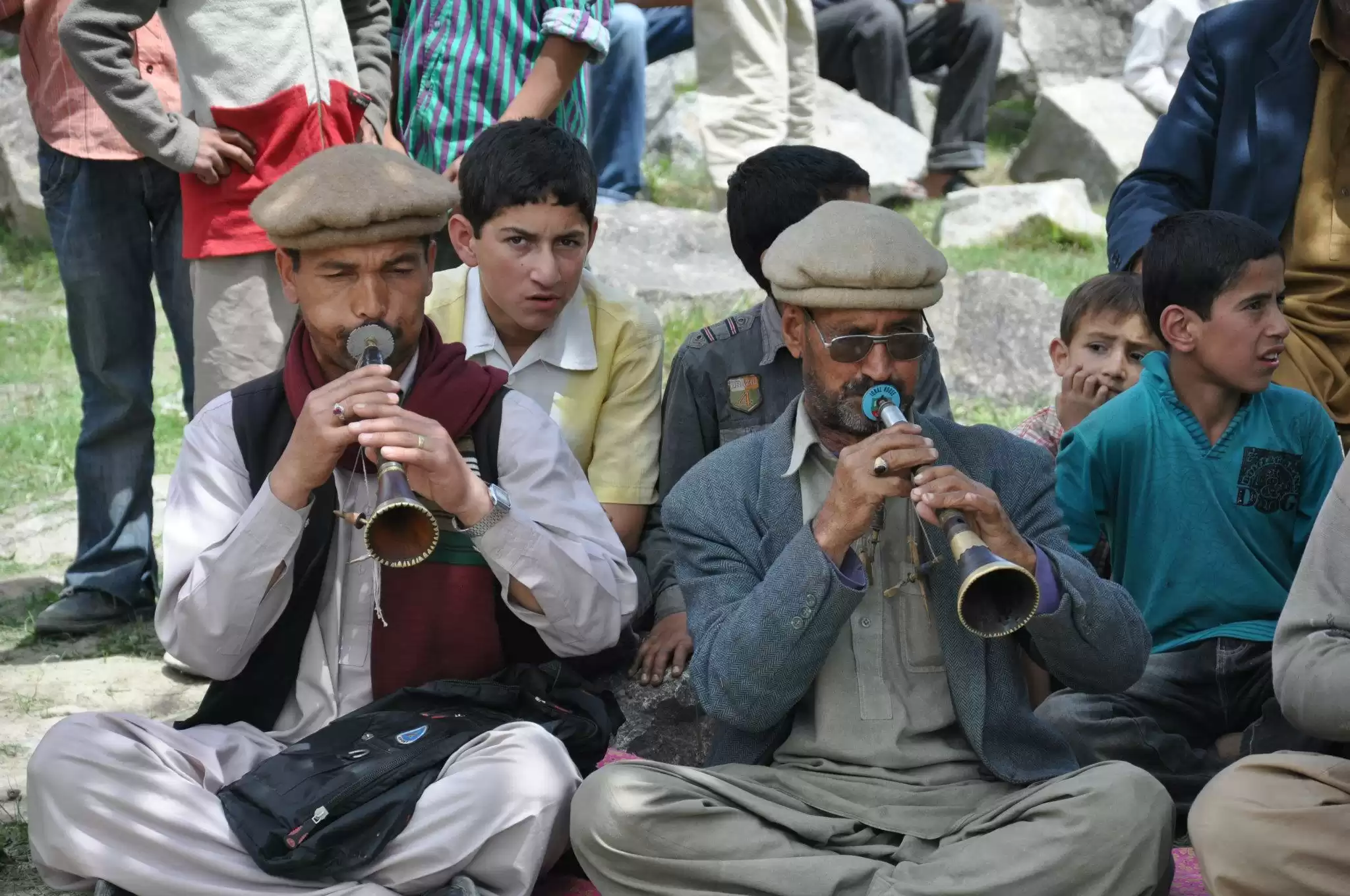
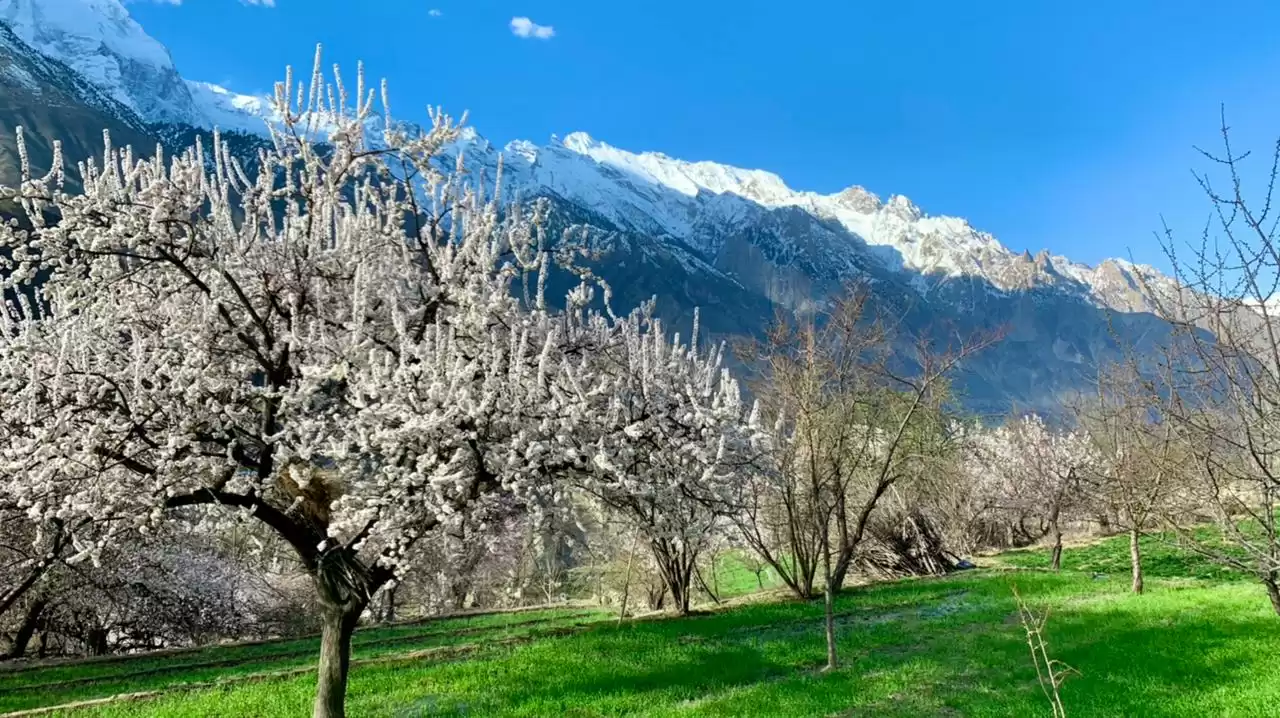
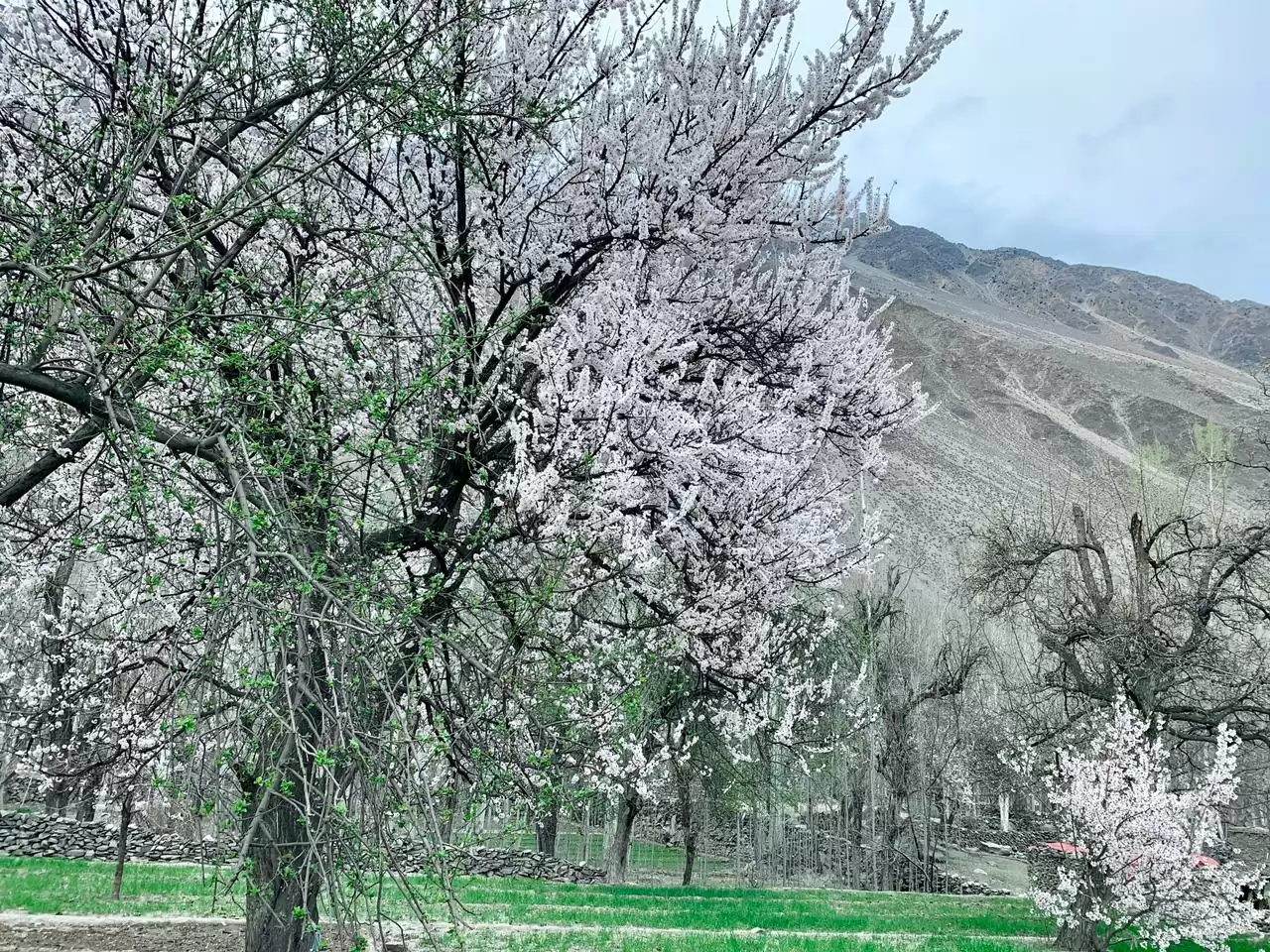
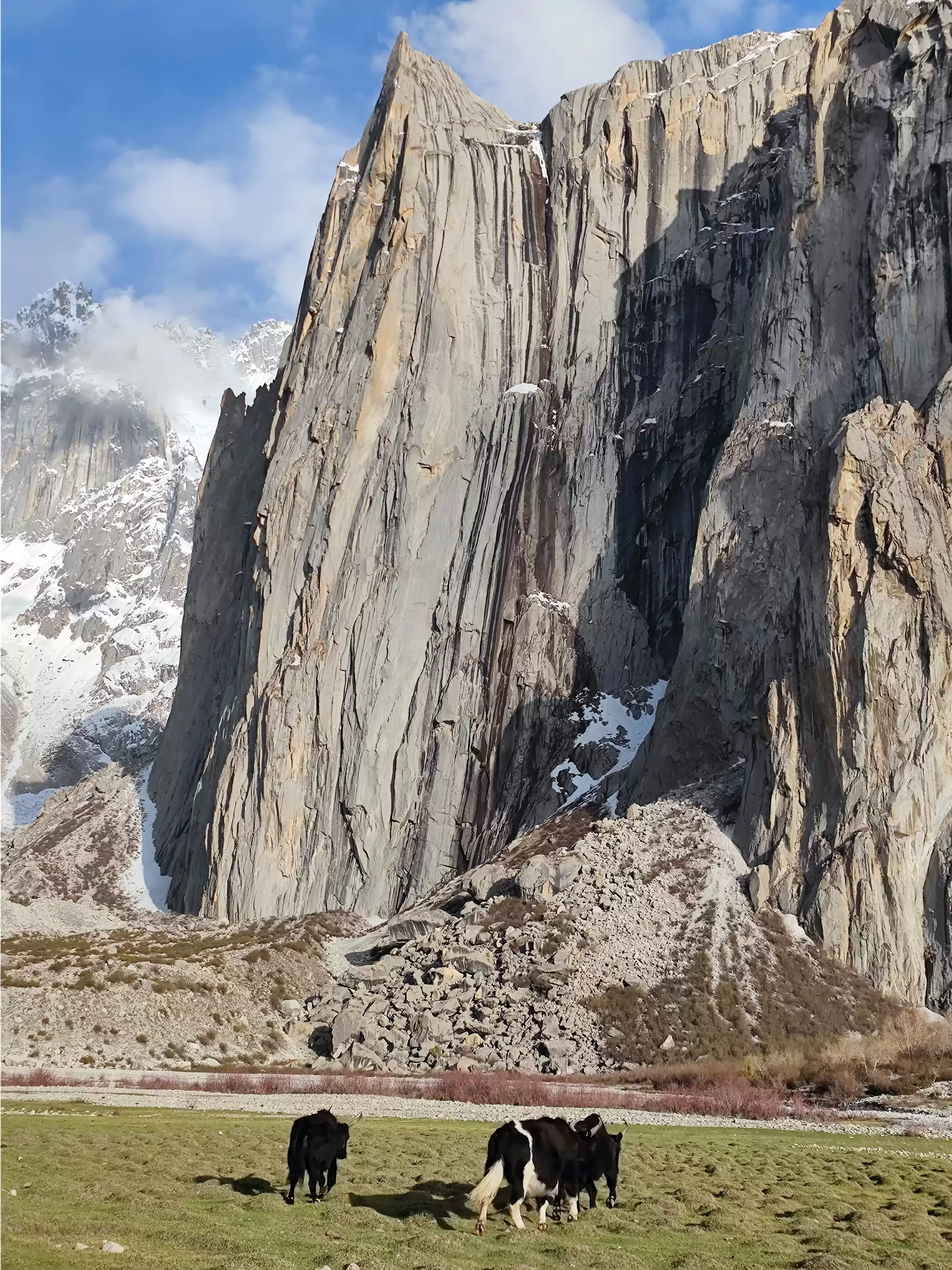
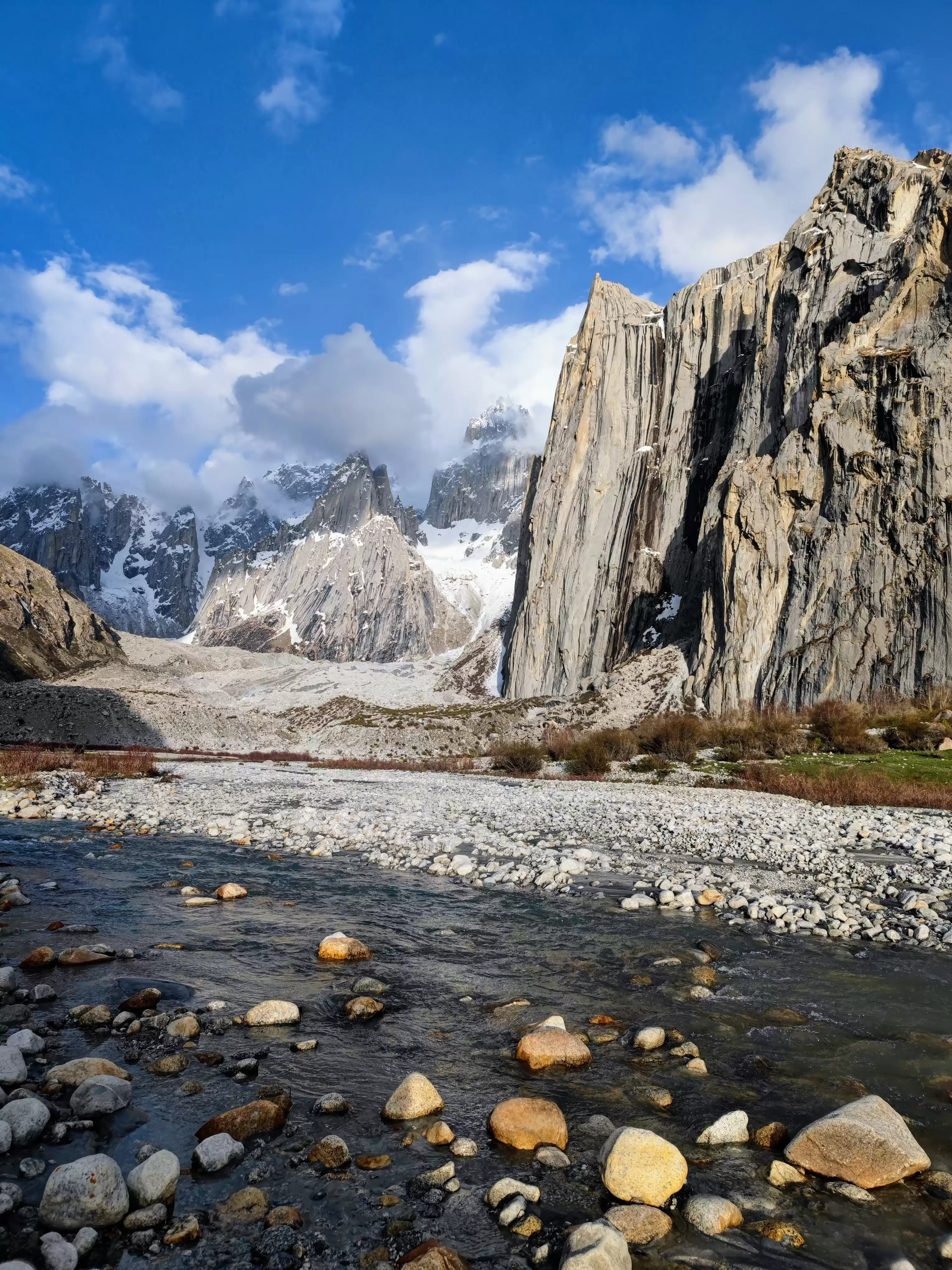
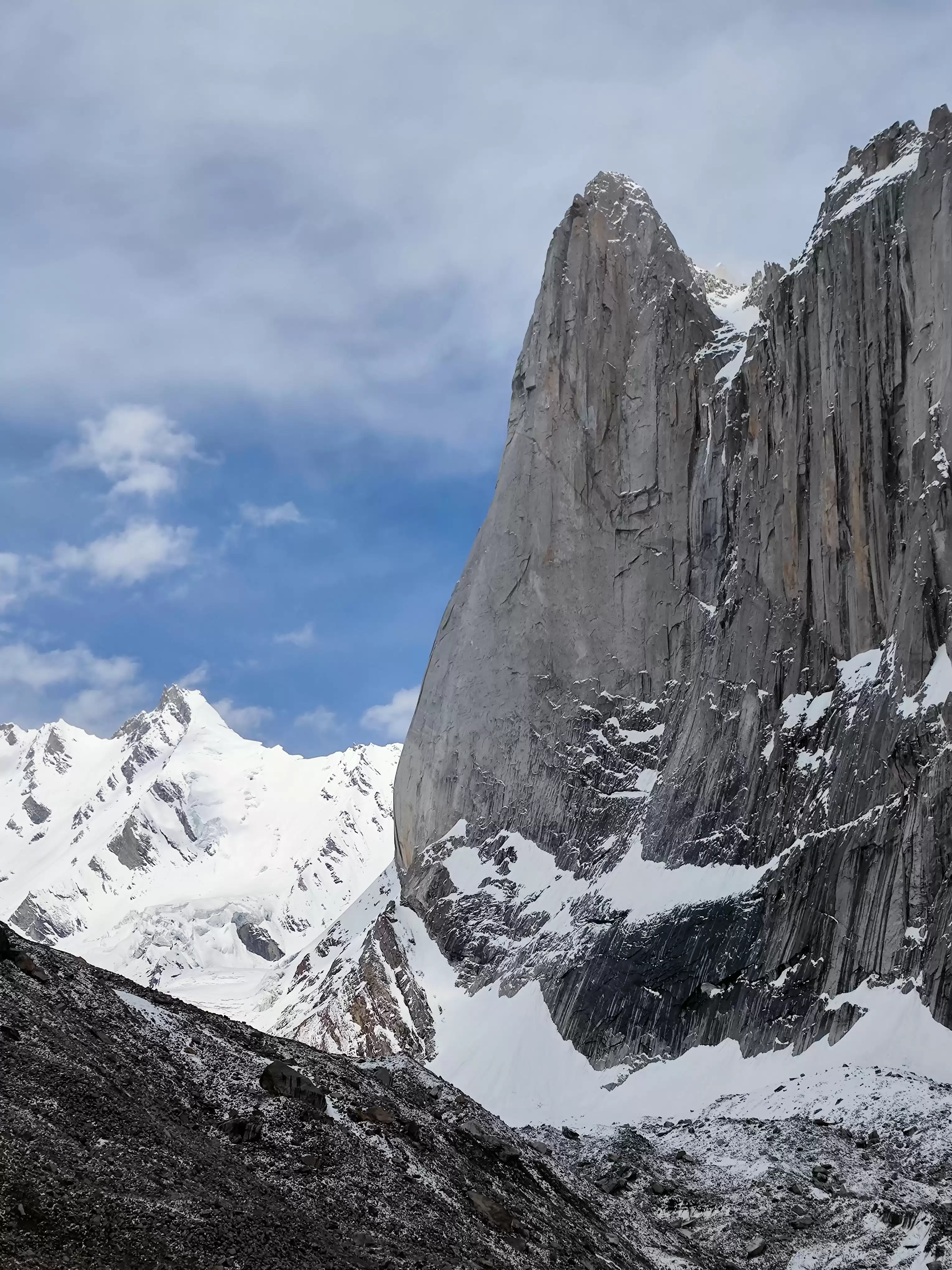
Gilgit Baltistan, with its breathtaking landscapes including the illustrious K2, stands as a testament to the harmonious coexistence of Wakhi, Khowar, Shina, and Balti speakers. In this land, where every mile is an inspiration, hospitality knows no bounds. The safety narrative, however, is not a mere coincidence; it's a result of a unique set of factors.
Understanding Crime in Gilgit Baltistan:
In a world grappling with crime despite advancements in education and technology, Gilgit Baltistan defies the norm. Statistics from 2009 to 2021 reveal a negligible crime rate in this northern region of Pakistan. Ghanche, with a population of 160,000, reported no crime from 2007 to 2017, painting an exceptional picture of safety.
Factors Behind Safety:
History and Geography:
The region's historical isolation, surrounded by the formidable Himalayas and Karakoram, contributed to limited external influence until the 1970s. Improved infrastructure led to exposure, but the fundamental geographic and historical factors persist.
Rich Culture:
Gilgit Baltistan boasts a vibrant culture, from traditional dances to centuries-old sports like polo. The cultural richness reflects a society deeply rooted in diverse influences, including Mughal, Tibetan, and Buddhist elements.
Social Bonding:
Geographic isolation and a unique ethnic identity foster strong social bonds. The community's commitment to returning lost property, leaving homes unlocked, and a lack of robbery or theft exemplify the trust and unity within the region.
Social Identity:
A robust social moral system, adherence to cultural norms, and a low tendency for deviant behavior result from a strong social identity. The valley-based community system further reinforces ethnic and cultural ties.
Fundamental Values and Moral Foundation:
The influence of Shia and Sufi clerics plays a pivotal role in shaping the character of the community. The adherence to fundamental values discourages criminal activities, as it contradicts the ingrained commitment to the ingroup.
Challenges from Tourism:
While tourism brings economic prosperity and cultural exchange, it also introduces external values. The challenge lies in preserving Gilgit Baltistan's unique identity while embracing the positive aspects of tourism. Mitigating adverse influences ensures the region retains its status as a haven on Earth.
Conclusion:
In essence, the safety of Gilgit Baltistan transcends statistical anomalies. It is an intricate tapestry woven from the threads of history, culture, social bonds, and fundamental values. As tourists venture into this pristine region, a symbiotic relationship must be nurtured—one that respects the local way of life while appreciating the external influences that shape this earthly paradise. Let Gilgit Baltistan continue to shine as one of the safest places, a testament to the resilience of its people and the captivating beauty of its natural and cultural heritage.

Gilgit Baltistan is where the three highest mountain ranges, Hindu Kush, Karakoram and Himalayas meet, resulting in one of the most spectacular adventure travel destinations in the world. It is home to Wakhi, Khowar, Shina and Balti speakers, as well as those who use Burushaski, a language unrelated to any other. A country where hospitality knows no end and where every kilometer is an inspiration.
VIEW PROFILE →