11 Day Ethiopia Omo Valley & Danakil Depression
About this tour
This 11-day journey takes you through two of Ethiopia’s most fascinating and contrasting regions—the Omo Valley and the Danakil Depression.
Begin your adventure in the Omo Valley, home to some of Africa’s most unique and diverse indigenous tribes. Visit the Hamar, Mursi, Karo, and Dassanech communities, experiencing their traditions, rituals, and way of life. Witness vibrant markets, tribal ceremonies, and breathtaking landscapes along the Omo River.
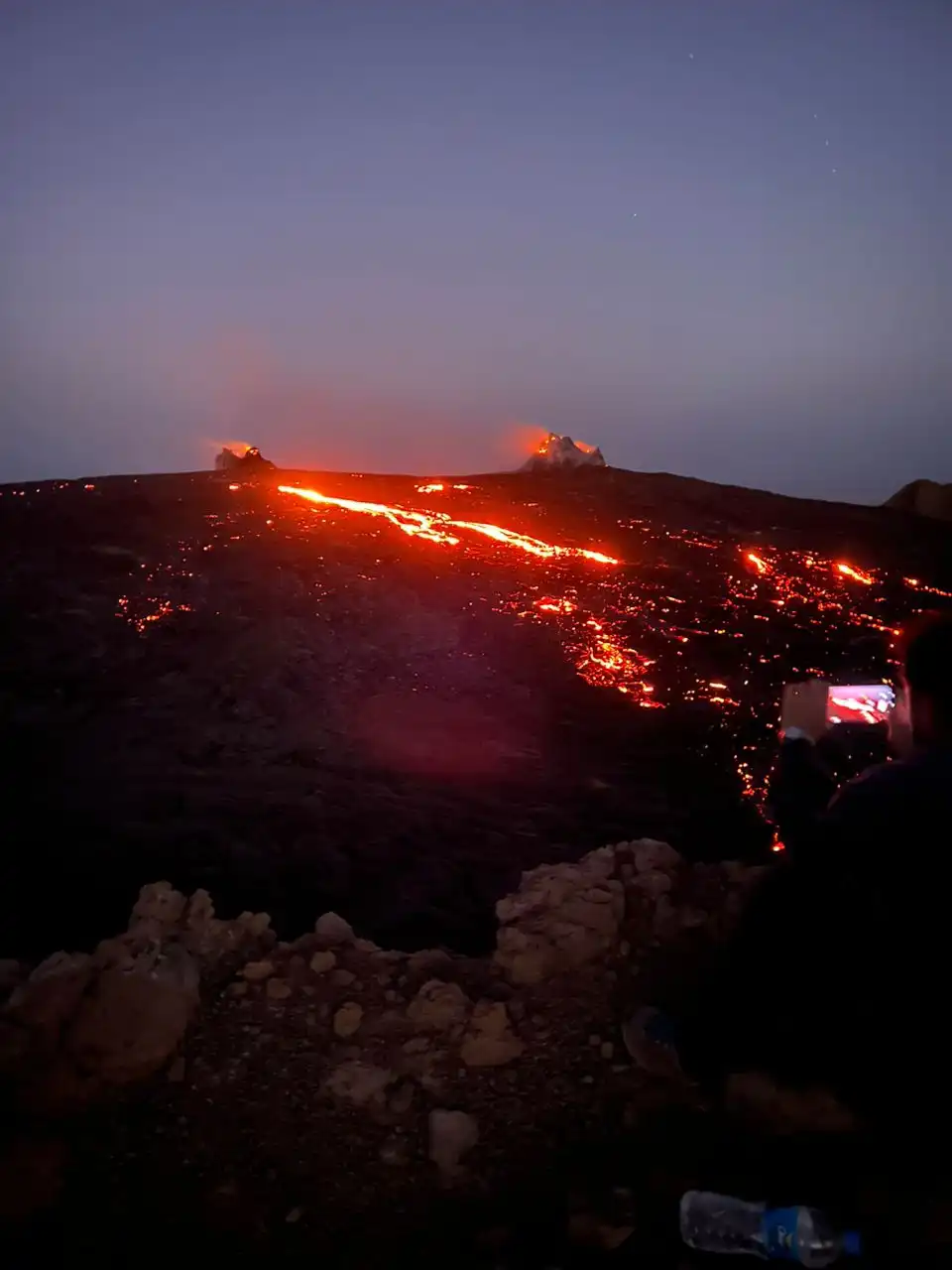
Then, transition to the Danakil Depression, one of the hottest and most geologically active places on Earth. Explore the otherworldly landscapes of Dallol’s colorful sulfur springs, the vast salt flats of Lake Asale, the active Erta Ale volcano, and the salt mining traditions of the Afar people.
This once-in-a-lifetime expedition combines rich cultural encounters, extreme landscapes, and adventure, making it an unforgettable exploration of Ethiopia’s most remote and extraordinary regions.
Day-by-day itinerary
Day 1: Bole Addis Ababa International Airport, Addis Ababa, Ethiopia to Addis Ababa, Ethiopia
Arrival in Addis Ababa & City Tour Arrival in Addis Ababa Your Ethiopian adventure begins upon arrival at Bole International Airport in Addis Ababa. Your guide will meet you at the arrival terminal, holding a sign with your name for easy identification. After a warm welcome and a short introduction, you will transfer to your hotel for check-in and a brief rest, depending on your arrival time. Your guide will also provide an overview of your journey. Exploring Addis Ababa – The Capital of Ethiopia After settling in, embark on a city tour of Addis Ababa, a lively city blending history, culture, and modern development. The tour includes visits to some of the city's most notable landmarks. 1. National Museum of Ethiopia Begin your exploration at the National Museum of Ethiopia, home to Ethiopia’s rich historical and cultural heritage. Here, you will see the world-famous fossil "Lucy" (Dinkinesh), which is estimated to be 3.2 million years old. The museum also exhibits ancient artifacts, royal regalia, traditional Ethiopian art, and relics from Ethiopia’s long and diverse history. 2. St. George’s Cathedral Next, visit St. George’s Cathedral, an octagonal church with deep historical and religious significance. Built in 1896 to commemorate Ethiopia’s victory at the Battle of Adwa, this iconic site is an important place of worship for Ethiopian Orthodox Christians. Inside, admire beautiful paintings by Ethiopian artist Afewerk Tekle, religious artifacts, and historical relics that tell the story of Ethiopia’s struggle for independence. The cathedral is also home to a small but fascinating museum. 3. Merkato – Africa’s Largest Open-Air Market Experience the vibrant energy of Merkato, one of the largest open-air markets in Africa. Walk through its bustling alleys filled with vendors selling spices, textiles, coffee, traditional handicrafts, and jewelry. This lively marketplace is an excellent place to observe daily life in Addis Ababa, interact with local merchants, and soak in the authentic Ethiopian trade culture. 4. Entoto Hill – Panoramic Views & History Drive up to Entoto Hill, the highest point in Addis Ababa, offering spectacular panoramic views of the city. This site holds great historical importance as the original settlement of Emperor Menelik II, who later moved the capital to its current location. Visit Entoto Maryam Church, one of the oldest churches in the city, and explore Menelik’s Palace, where Ethiopia’s modern capital was founded. The cool mountain air and serene surroundings provide a peaceful retreat from the bustling city below. 5. Traditional Ethiopian Coffee Ceremony Wrap up your city tour with an authentic Ethiopian coffee ceremony, one of the country’s most cherished traditions. Ethiopia is the birthplace of coffee, and this ceremony is a social and cultural ritual. Watch as fresh coffee beans are roasted, ground, and brewed in a traditional jebena (clay coffee pot). Enjoy the rich aroma and deep flavors of Ethiopian coffee, while learning about its historical and cultural significance. Return to Hotel & Overnight Stay After a full day of exploration, return to your hotel for a relaxing evening. Rest and prepare for the exciting journey ahead as you continue your adventure through Ethiopia.
Day 2: Addis Ababa, Ethiopia to Hawassa, Ethiopia
On the second day, after breakfast, depart from Addis Ababa and drive towards Hawassa, passing through the scenic Great Rift Valley. Along the way, stop at Lake Ziway, one of the largest lakes in the region, where you can enjoy the beautiful views and observe a variety of bird species, including pelicans, storks, and fish eagles. After a short break, continue the journey through lush farmlands and small towns before arriving in Hawassa in the afternoon. Upon arrival, check into your hotel and take some time to relax before heading to Lake Hawassa, where you can enjoy a peaceful walk along the shore and watch the sunset over the water. If time allows, visit Amora Gedel Fish Market, where local fishermen sell fresh fish and you can experience the vibrant atmosphere of the lakeside market. End the day with dinner at a lakeside restaurant before settling in for the night at your hotel in Hawassa.
Day 3: Hawassa, Ethiopia to Dorze, Ethiopia
On the third day, start the morning with a visit to Amora Gedel Fish Market, where you can observe local fishermen at work and experience the lively market atmosphere by the shores of Lake Hawassa. After exploring the market, take a boat trip on Lake Hawassa to spot hippos and enjoy the serene natural surroundings. Following the boat excursion, depart for Arba Minch, driving through the scenic landscapes of southern Ethiopia. Along the way, visit the Dorze village, home to the Dorze people, known for their unique beehive-shaped huts, rich weaving traditions, and cultural heritage. Enjoy an insightful cultural experience, learning about their way of life before continuing the drive to Arba Minch, where you will check into your hotel and relax for the evening.
Day 4: Arba Minch, Ethiopia to Turmi, Ethiopia
On the fourth day, start the morning with a boat trip on Lake Chamo, where you can witness the famous "Crocodile Market," home to some of the largest Nile crocodiles, as well as hippos and a variety of bird species. Enjoy the breathtaking views of the lake and its wildlife before continuing your journey south. After the boat excursion, drive to Turmi via Konso, a UNESCO-listed cultural site known for its unique terraced farming and traditional wooden totems. In Konso, visit a local village to learn about the Konso people's distinctive culture, architecture, and way of life. After exploring Konso, continue driving through the scenic landscapes of the Omo Valley before arriving in Turmi, the heart of the Hamar community. Check into your lodge and relax for the evening, preparing for the cultural experiences ahead.
Day 5: Turmi, Ethiopia to Karo, Ethiopia
On the fifth day, take a day trip to Karo, one of the least populous but culturally rich tribes of the Omo Valley, known for their elaborate body painting traditions using natural white chalk, charcoal, and ochre. Visit a Karo village along the banks of the Omo River, where you can observe their daily life, traditional homes, and artistic body decorations. In the afternoon, return to Turmi to witness the Hamar tribe’s Bull Jumping Ceremony if one is taking place. This significant rite of passage marks a young man’s transition into adulthood and involves him jumping over a row of bulls while his female relatives participate in symbolic rituals. If no ceremony is happening, explore more of the Hamar villages, interacting with the community and learning about their customs and traditions. End the day with a relaxing evening at your lodge in Turmi, reflecting on the fascinating cultural encounters of the day.
Day 6: Turmi, Ethiopia to Jinka, Ethiopia
On the sixth day, depart from Turmi and drive to Jinka, passing through vibrant tribal markets along the way, depending on the day of the week. If traveling on a Tuesday or Saturday, stop at Alduba Market, where the Hamar, Benna, and Tsemay tribes gather to trade livestock, coffee, honey, and traditional goods. On Thursday, visit Key Afer Market, a lively and colorful trading hub where the Ari, Benna, and Tsemay people come together, offering a great opportunity to witness the diverse cultural interactions of the Omo Valley. If traveling on a Saturday, explore Dimeka Market, one of the most important markets for the Hamar people, known for their unique hairstyles, body decorations, and local crafts. After the market visit, continue the journey to Jinka, the gateway to the Mursi tribe and home to the Ari people, the largest ethnic group in the region. In the late afternoon, visit an Ari village, where you can observe their agricultural lifestyle, coffee production, pottery-making, and traditional practices. End the day by checking into your lodge in Jinka, preparing for the next day's exploration.
Day 7: Jinka, Ethiopia to Addis Ababa, Ethiopia
On the seventh day, depart early in the morning from Jinka and drive to Mago National Park, home to diverse wildlife and the Mursi tribe, one of the most iconic ethnic groups in Ethiopia. The Mursi people are best known for their lip plates, worn by women as a sign of beauty and cultural identity. Visit a Mursi village, interact with the community, and learn about their traditions, including body scarification and unique adornments. After the visit, return to Jinka for a transfer to the airport, where you will catch your flight back to Addis Ababa. Upon arrival in Addis Ababa, you will be met at the airport and transferred to your hotel or continue with your onward journey, marking the end of your incredible Omo Valley adventure.
Day 8: Addis Ababa, Ethiopia to Danakil Depression, Ethiopia
In the morning fly to Semera your guide will meet you at the Semera Town Airport on this day, after which we will travel to Danakil Depression. We depart early to drive to Lake Afdera, a salt lake in the centre of the Danakil Depressions, where there’s a chance you’ll see naturally occurring hot springs. This lake requires swimming around later. Driving there is what we’ll be doing (at the base of Erta Ale). Perhaps leave at 1:30 after lunch. It takes around one hour to hike to Dodom, which is located approximately 9.5 km from Erta Ale and passes via a number of small hamlets spread throughout this desert land. Around 17:00 in the evening, camels carry all of the camping supplies and some food (sleeping gear like mats, light mattresses, and water) to the rim of the volcano, where we camp and witness the dramatic movement of the boiling lava throughout the night. One of Ethiopia’s most seductive and physically demanding natural attractions is the Danakil Depression (Dallol and Erta Ale). This shield volcano has a 30 km base diameter and a 1 km square crater at the top. The world’s only permanent lava lake is found in Erta Ale. At 613 metres high, Erta Ale boasts one of only five lava lakes in the world at its peak. Being the longest-surviving lava lake, having existed since the early 1900s, makes it noteworthy. Encampment atop the peak
Day 9: Erta Ale, Ethiopia to Dallol, Ethiopia
Today, we will leave for Hamad Ela at 04:30, a better village with a population of roughly 500, following an early breakfast. You will see numerous camel caravans and be able to view the sunset from the very shallow Assale Salt Lake. Visit Ragad (Asebo) in the morning for a tour of the area where salt is mined. The Afar Depression covers 1,200 km2 (460 sq mi) with salt, and you may observe the process of breaking the salt off the earth. It is being loaded onto camels by locals who have chopped it into rectangular pieces. Travelling on, you arrive in Dallol and explore the various landscapes sculpted by volcanic activity: Dallol + Lake Assale + salt canon, camel caravans, camel caravans behind you, and a drive to Lake Afdera. Camp for the night in Lake Afdera
Day 10: Danakil Depression, Ethiopia to Addis Ababa, Ethiopia
You might get another chance to witness the breathtaking sunrise at Lake Afdera on this particular day. Following breakfast, we’ll head to the town of Semera and drop you off at the airport in preparation for your journey home.
Day 11: Addis Ababa, Ethiopia to Bole Addis Ababa International Airport, Addis Ababa, Ethiopia
On the eighth day, enjoy your final day in Addis Ababa, where you can explore any remaining sightseeing spots or go shopping for souvenirs. Visit local markets such as Shiro Meda, known for its beautiful handwoven Ethiopian textiles, or head to Merkato, Africa’s largest open-air market, where you can find traditional crafts, coffee, and spices. If time allows, explore additional cultural sites such as the Ethnological Museum, located in the former palace of Emperor Haile Selassie, or relax at a local café while enjoying Ethiopia’s famous coffee. Depending on your flight schedule, your guide will transfer you to Bole International Airport for your departure, marking the end of your incredible Ethiopian adventure.
What's included
This price is applicable only if you use Ethiopian Airlines for your international flight, as it qualifies you for a discounted domestic fare. If you choose another airline, an additional charge of €165 will be added to the total price.
What to know
This tour can be customized. Please get in touch with me.
Route & locations
Bole Addis Ababa International Airport, Addis Ababa, Ethiopia to Addis Ababa, Ethiopia