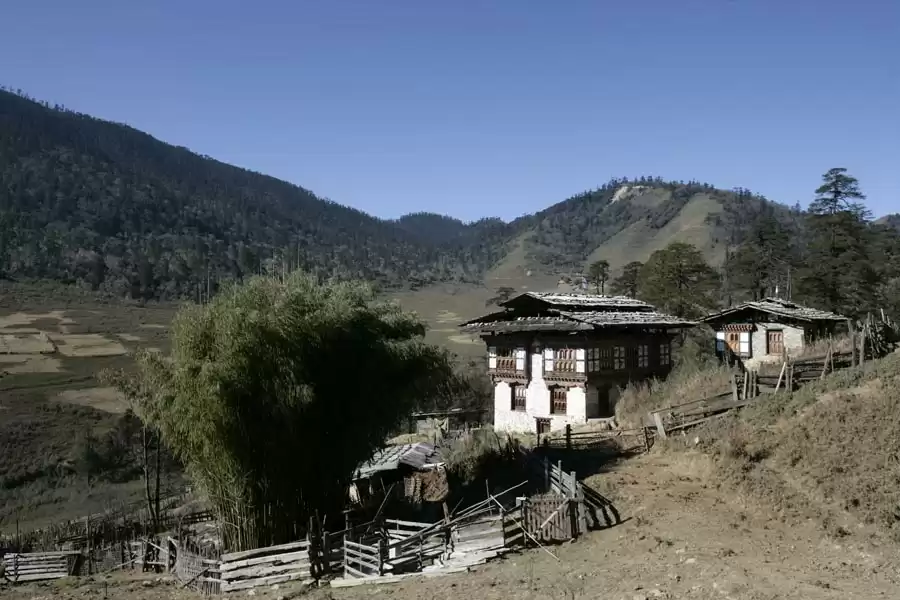
8 Day Bhutan Heritage Tour
About this tour
Bhutan’s unique culture and traditions are originated from Buddhism which is prevailed the religion in Bhutan. For the Bhutanese people, Buddhism is not just a religion, but a philosophical practice inherent and ingrained in their daily lives. The approach to development is based on the philosophy of Gross National Happiness—the development with values. The government advance with developing holistic and enabling amenities considering the sustainable avenues for the people enjoy happiness.
Day-by-day itinerary
Day 1: Paro, Bhutan to Thimphu, Bhutan
Welcome to Bhutan, Land of Thunder Dagon. Your Journey begins flying on Druk Air or Bhutan national Airlines. You will meet our representative from Always Bhutan Travel at Paro Airport. We then transfer to Thimphu, the capital of Bhutan, passing through hills and some astounding countryside. Thimphu is situated in a large valley traversed by the Wangchu River and overshadowed by high peaks. En-route- view Tachogang monastery “temple of excellent horse” built by Thangthong Gyalpo“ the (Iron chain builder in Bhutan and visit the Iron Chain Bridge which is one of the most visible ancient craft work in the middle Ages.) before reaching to Chunzom. Afternoon, we visit some cultural sites and walk through the main street of Thimphu. Drive to visit Kuensel Phodrang to visit the Buddha Statue, symbolizing indestructibility and one of the most religious monuments built in recent times. The view of Thimphu valley from the Kuenselphodrang is spectacular. Later we visit, the national Memorial Chorten, built in honor of the third King of Bhutan, Jigme Dorji Wangchuck. Elderly devotees flock throughout the day to circumambulate the stupa and turn the prayer wheels. Towards evening, join us on a special meal with authentic and organic cuisines from Bhutan at a popular local restaurant. You can even try local ‘ara’ a local rice wine from Bhutan over dinner.
Day 2: Thimphu, Bhutan
Today we visit the National Folk Heritage Museum, dedicated to connecting Bhutan to its past with exhibitions, demonstrations, and artifacts. Designed to resemble a rural home, this 19th-century building houses three stories of art, culture, and relics. At The National Textile Museum, you will witness the art of weaving and learn about the significance of textile design. Bhutanese weaving is considered a living art form and traditional weaving methods are preserved by the Royal Government. At Jungshi Handmade Paper Factory, you will witness the art of papermaking. Craftsmen demonstrate how Deh-sho paper is made using the bark of two local tree species. Buddhist monks use Deh-sho to write prayers and for woodblock printing. Outside Thimphu is Simtokha Dzong, the oldest fortress in Bhutan. Legend says it was built to imprison a demon that was terrorizing the area. The first fortress of its kind, it features beautiful Buddhist paintings and carvings. Thimphu Tashichho Dzong, a traditional fortress and Buddhist Monastery, is the largest in the city. Featuring distinctive Bhutanese architecture, using neither nails nor written plans, the structure serves as the current seat of the King of Bhutan.
Day 3: Thimphu, Bhutan
Embark on a day’s excursion to Tango Buddhist College. Tango monastery is situated in solitary hill covered by forest and is one of the best places to study Buddhism. The monks take pride in being a part of this beautiful Dratsang and at present there are also seven reincarnation studying here. The hike to Tango monastery takes about 1.5hrs round trip and the Chari goemba takes about 2.5hrs round trip. Picnic lunch will be arranged amidst the nature trail. After visiting the holy shrines, you can spend some time meditating in the temple and the surrounding campus. It is believed, meditation happens own at this serene site.
Day 4: Thimphu, Bhutan to Punakha, Bhutan
We continue our trip further east to Punakha today after breakfast. We are headed to Dochula Pass – The 108 chortens was built by the present Queen Mother of Bhutan Ashi Dorji Wangmo Wangchuck to commemorate Bhutan’s victory over Indian militants and to liberate the souls of the souls lost. After spending some leisure time at Dochula, we continue to Punakha valley which is approx. 1.5 hours driving downhill. Our first stop in Punakha is to visit Punakha Dzong – Built in 1637, the dzong continues to be the winter home for the clergy, headed by the Chief Abbott, the Je Khenpo. It is a stunning example of Bhutanese architecture, sitting at the fork of two rivers, portraying the image of a medieval city from a distance. The dzong was destroyed by fire and glacial floods over the years but has been carefully restored and is, today, a fine example of Bhutanese craftsmanship. Later check in to hotel and dinner at hotel.
Day 5: Punakha, Bhutan to Gangtey Monastery, Bhutan
Before we head toward Gangtey valley, we visit one of the most mysetreious temples in Bhutan. The Chhimi Lhakhang – A 20 minutes’ walk across terraced fields through the village of Sopsokha. Ngawang Chogyel built the temple in 15th century after the ’divine Madman’ Drukpa Kuenlay built a small chorten there. We continue driving towards Gangtey valley passing Wangdue phodrang district, one of the major towns and district capital of Western Bhutan. Located south of Punakha, Wangdue is the last town before central Bhutan. The district is famous for its fine bamboo work and its slate and stone carving.
Day 6: Gangtey Monastery, Bhutan to Paro, Bhutan
Early morning, we pay visit to Gangtey Goenpa monastery to experience and meditation on the lawns of this special monastery whos history dates back to 7th century. The monastery is believed to posses sacred relics and religious texts from ancient masters that has been preserved at the monastery. After a relaxed morning session, we than continue our journey towards Paro valley that can take upto 4 hours. We then enjoy a scenic mountain bike ride led by your guide around Paro valley with a ride all the way upto Drukgyal dzong. It’s a fun and easy ride along the river.
Day 7: Paro, Bhutan
We will take a two-hour hike to Taktsang Monastery, arguably one of the most photographed monasteries in Bhutan. Accessible only by foot, this sacred site was built precariously on the cliff’s edge, more than 10,000 feet above sea level. This is where Guru (Rinpoche) Padmasambhava, the father of Bhutan Buddhism, is said to have flown on the back of a tiger to meditate in a cave for three years. An exhilarating climb to the cafeteria is decorated with colorful prayer flags and provides breathtaking views of the Himalayas. We end our tour with a visit to Kyichu Lhakhang, one of the oldest Buddhist temples in Bhutan. This is the second of two temples built in Bhutan by Tibetan King Songtsen Gambo in a single day to hold down the giant demoness who was preventing the spread of Buddhism.
Day 8: Paro, Bhutan to Paro International Airport, Paro, Bhutan
Breakfast in the hotel, then drive to the airport for flight to your onward destination. We bid farewell and wish ourselves in the hope to meet again. We hope you cherish this special trip in your life and nourish yourself with all the positive energy accumulated through the journey. Tashi Delek.
What's included
Visas for Bhutan Airport transfers Daily 3 meals (B/L/D) at designated restaurants or hotels Accommodation at 3 star hotel/ farmhouse A qualified & licensed English-speaking guide An experienced driver A tour vehicle Entry fees & road permits Government fee, royalty, taxes & surcharges Bottled water Full service & assistance before, during and after your Bhutan trip
Flight into Bhutan via Drukair/Bhutan airlines (can be arranged with us) Meals at 4-5 stars restaurants Hotel stay outside of Bhutan Expenditure of personal nature Travel Insurance Tips for the guide and driver Alcoholic drink
What to know
This tour can either be solo, small group/family or large group tours
Route & locations
Paro, Bhutan to Thimphu, Bhutan