Enchanting Bhutan Tour
About this tour
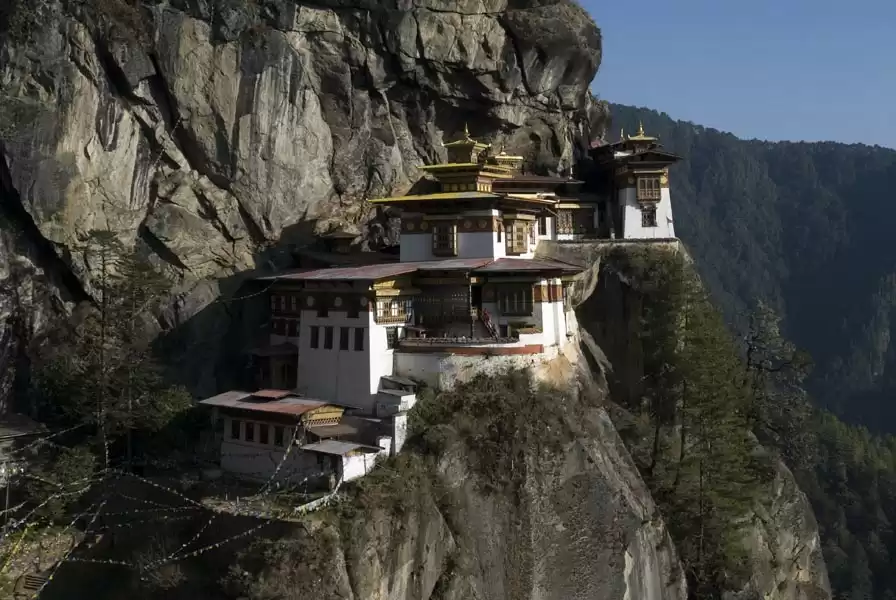
This cultural tour through the mystical Western valleys of Bhutan is an ideal introduction to the Dragon Kingdom. Experience Bhutanese hospitality, admire the ever-changing landscapes, and immerse yourself in Bhutan’s rich Buddhist culture. Highlights include Ta Dzong Museum, Rimpung Dzong with its wooden cantilevered bridge and the infamous Taktsang Monastery (Tiger’s Nest) in the beautiful Paro Valley, The National Memorial Chorten, 12th century Changangkha Temple and the National Library exhibiting ancient scriptures in Bhutan’s capital Thimphu.
Day-by-day itinerary
Day 1: Paro, Bhutan to Thimphu, Bhutan
Welcome to Bhutan, Land of Thunder Dagon. Your Journey begins flying on Druk Air or Bhutan national Airlines. You will meet our representative from Always Bhutan Travel at Paro Airport. We then transfer to Thimphu, the capital of Bhutan, passing through hills and some astounding countryside. Thimphu is situated in a large valley traversed by the Wangchu River and overshadowed by high peaks. En-route- view Tachogang monastery “temple of excellent horse” built by Thangthong Gyalpo“ the (Iron chain builder in Bhutan and visit the Iron Chain Bridge which is one of the most visible ancient craft work in the middle Ages.) before reaching to Chunzom. Afternoon, we visit some cultural sites and walk through the main street of Thimphu. Drive to visit Kuensel Phodrang to visit the Buddha Statue, symbolizing indestructibility and one of the most religious monuments built in recent times. The view of Thimphu valley from the Kuenselphodrang is spectacular. Later we visit, the national Memorial Chorten, built in honor of the third King of Bhutan, Jigme Dorji Wangchuck. Elderly devotees flock throughout the day to circumambulate the stupa and turn the prayer wheels. Towards evening, join us on a special meal with authentic and organic cuisines from Bhutan at a popular local restaurant. You can even try local ‘ara’ a local rice wine from Bhutan over dinner.
Day 2: Thimphu, Bhutan
Today, we participate in a wide variety of interesting activities, which represent many diverse aspects of Bhutanese culture. Drive to visit Kuensel Phodrang to visit the Buddha Statue, 169ft, symbolizing indestructibility and one of the most religious monuments built in recent times. The view of Thimphu valley from the Kuenselphodrang is spectacular. We then visit the National Memorial Chorten: Built in honor of third King of Bhutan, Jigme Dorji Wangchuck. Elderly devotees flock throughout the day to circumambulate and turn the prayer wheels. Drive to visit Takin Enclosure to see the National Animal of Bhutan. Visit the Art and Craft Institute, a vocational training Institute for students learning some of the 13 arts, preserving and producing skilled man power. Lunch at one of the local restaurant in Thimphu. Afternoon we visit the Royal Textile Museum “living art of Bhutan” which houses old Bhutanese Textiles and artifacts from the various regions and tribes of Bhutan. Take a short trip Tashicho Dzong, the fortress of glorious religion,” seat of the national government and the central monk body.
Day 3: Thimphu, Bhutan to Punakha, Bhutan
Drive over the Dochu-La pass (3,100 meters), which on a clear day offers an incredible view of Himalayan peaks before descending into balmy Punakha valley (about 3 hrs total driving time). The drive through the countryside affords a glimpse of everyday life in this most remote of Himalayan kingdoms. In the Dochu-La area there are vast Rhododendron forests that grow to tree size and bloom in late April/early May covering the mountains in a riot of glorious spring colour. Punakha was the ancient capital of Bhutan. On arrival, visit Punakha Dzong, the “Palace of Great Happiness” built in 1637 by the Shabdrung, the ‘Unifier of Bhutan’. It is situated at the confluence of the Mo Chu and Pho Chu (Mother and Father Rivers) and is the winter headquarters of the Je Khenpo and hundreds of monks who move en masse from Thimphu to this warmer location. The three story main temple of the Punakha Dzong is a breathtaking example of traditional architecture with four intricately embossed entrance pillars crafted from cypress and decorated in gold and silver. It was here in 1907 that Bhutan’s first king was crowned. After lunch, enjoy a walk to Chimi Lhakhang, temple of the Drukpa Kuenly who is also known as the Divine Madman. He inherited the Divine Madman title since he revolted against the orthodox Buddhism in his time. He taught the people that religion is an inner feeling and it’s not necessary that one should be an ordained monk. He is also considered a symbol of fertility and most childless couples go to his temple for blessing.
Day 4: Punakha, Bhutan to Gangtey Monastery, Bhutan
Morning drive through Punakha valley to visit Punakha Dzong built in 1637 by Zhabdrung Ngwang Namgyel and was named as Druk Pungthang Dechen Phodrang, “Palace of Great Happiness, Punakha Dzong is the former capital of Bhutan and played a vital role in shaping the political history of Bhutan. Located ideally between two rivers Pho Chu “Male River” and Mo Chu “Female River”. Punakha is still the winter residence of Je-Khenpo (Chief Abbot” and central monk body. Drive for lunch at one of the restaurant. We then continue our drive towards Gangtey valley, a serene and beautiful valley surrounded by shrubs and baby bamboos, Gangtey valley is famous for its nestling grounds for the endangered Black Necked Crane.Towards the evening hours, we take a dip in ‘Dotso’ herbal healing bath at a nearby tavern and enjoy herbal nourished waters which is believed to heal one from diseases and illnesses. The bath is prepared using stones burned in fire and the water boiled with herbs up to 20 varieties with medicinal properties.
Day 5: Gangtey Monastery, Bhutan to Paro, Bhutan
In the morning drive to Yabesa village and hike to through ricefields and up to Khamsum Yueley Namgyal Chorten, built by her majesty the queen Ashi Tshering Yangdon Wangchuk. Perched high on a hill on the bank of the river, the Chorten houses paintings belonging to Nyingmapa Traditions.Take a lunch on a picturesque riverside before exploring the Wangduephodrang Dzong. Built in 1639 the strategically located Dzong is perched on a spur at the confluence of two rivers. Drive to Paro, visiting Semtokha Dzong en route. The Dzong, built in 1627, is the oldest in Bhutan. It now houses the Institute for Language and Culture studies. On arrival in Paro, check into the hotel.
Day 6: Paro, Bhutan
Drive to the north of Paro valley to Ramthangkha and hike to visit the world famous, Taktsang monastery, the trail climbs through beautiful pine forest, many of trees festooned with moss and an occasional grove of fluttering prayers flags. This monastery is one of the most venerated and sacred of all Buddhist sights around the world, the legend has it that Guru Rinpoche (founding saint of Buddhism) flew from eastern Bhutan on a tigress and meditated for three months. After visiting the monastery, walk down to cafeteria for lunch. Afternoon walk down to the base and drive to Kyichu Temlpe. Kyichu temple is one of the oldest temples built in Bhutan and is dedicated to Guru Rinpoche.
Day 7: Paro, Bhutan to Paro International Airport, Paro, Bhutan
Breakfast in the hotel, then drive to the airport for flight to your onward destination. We bid farewell and wish ourselves in the hope to meet again. We hope you cherish this special trip in your life and nourish yourself with all the positive energy accumulated through the journey. Tashi Delek.
What's included
Private guided tour Visas for Bhutan Airport transfers Daily 3 meals (B/L/D) at designated restaurants or hotels Accommodation at 3 star hotel/ farmhouse A qualified & licensed English-speaking guide An experienced driver A tour vehicle Entry fees & road permits Government fee, royalty, taxes & surcharges Bottled water Full service & assistance before, during and after your Bhutan trip
Flight into Bhutan via Drukair/Bhutan airlines (can be arranged with us) Meals at 4-5 stars restaurants Hotel stay outside of Bhutan Expenditure of personal nature Travel Insurance Tips for the guide and driver Alcoholic drink
What to know
In addition to offering independent, flexible tour options, we can also arrange a variety of “add on” options to provide a more in-depth experience of Bhutan. These include: Cooking lessons A farmhouse stay “Ara” (rice liquor) brewing lessons Monastery experience Dzongkha Calligraphy classes Evening dinner & culture show Alternatively, you can awaken your senses with a range of wellbeing and spa retreats offering yoga, pilates, meditation, healing bodywork, hot stone baths and massage.
Route & locations
Paro, Bhutan to Thimphu, Bhutan