Ferghana Valley Crafts Tour (Ceramic/silk)
About this tour
What sets this tour apart is access most visitors never get near. Rather than a quick photo-stop version of Uzbekistan, this trip takes you to workshops most tour buses skip entirely — the individual ateliers of Rishtan's ceramic masters and the working floors of Margilan's silk factories — so you see craftsmanship from raw material to finished piece, not just a finished product behind glass. These are working destinations, chosen specifically because they let you watch the full process unfold, not staged demonstrations built for tourists.
As a personal gift at the end of the trip, every guest also receives a custom-built webpage documenting their journey — a lasting keepsake of the itinerary, photos, and stories from their days in the valley, something to look back on and share, long after the trip itself is over.
Day-by-day itinerary
Day 1: Kokand, Uzbekistan
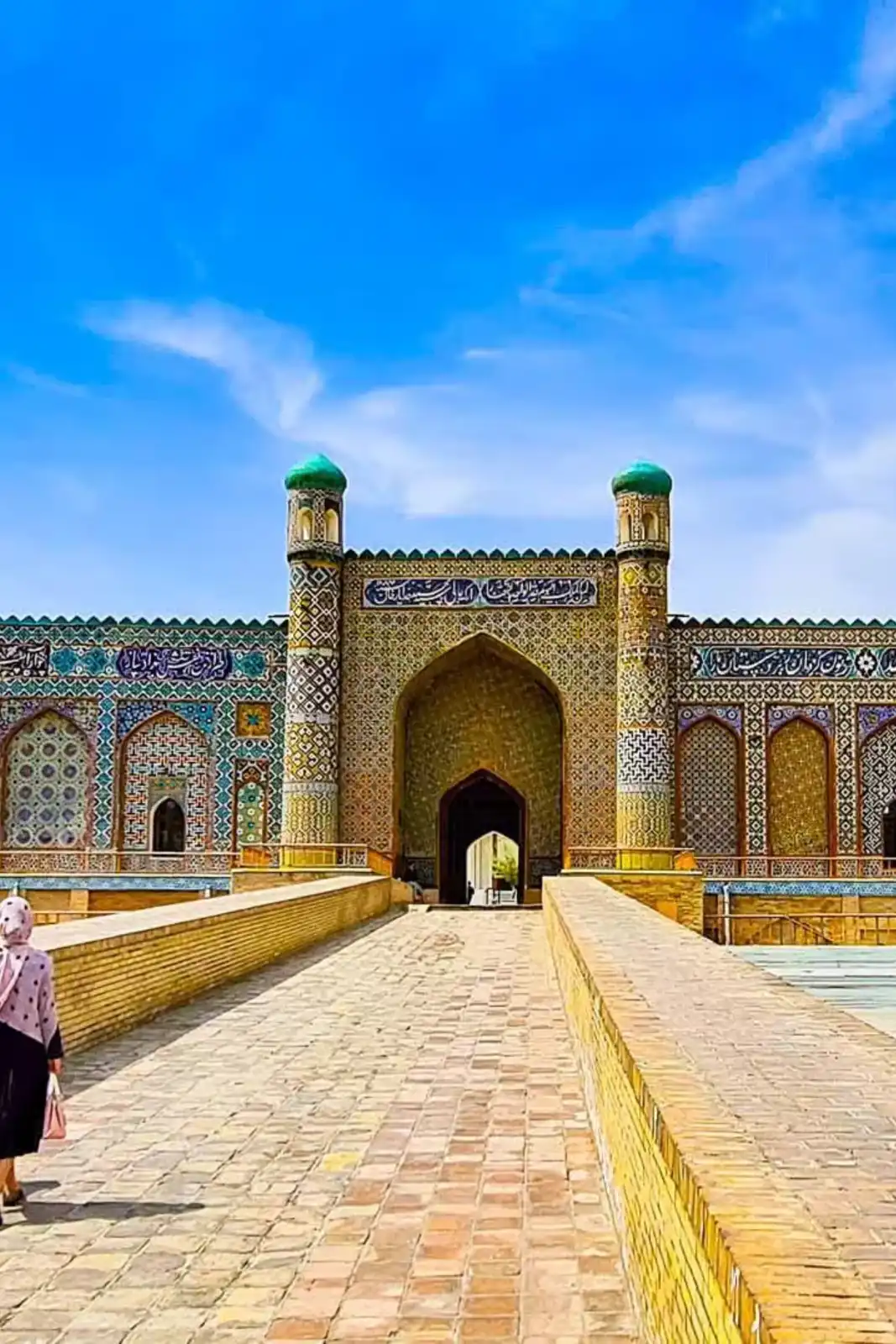
Meet your guide at Qoqon railway station around midday. Spend the afternoon exploring the former capital of the Kokand Khanate: Khudayar Khan's Palace, with its striking turquoise-tiled gateway and carved interiors; the Jome Mosque, one of the valley's largest, built on dozens of hand-carved wooden columns; and the Dakhmai Shohon royal necropolis. Finish with a walk through Qoqon's local bazaar and dinner in the old town. A relaxed introduction to the valley's history before the workshop days ahead. Rail travel to Qoqon is not included.
Day 2: Kokand, Uzbekistan to Fergana, Uzbekistan
Morning drive from Qoqon to Rishtan (55km), Uzbekistan's ceramics capital, famed for its distinctive ishkor blue glaze. Spend the day visiting master potters' workshops, watching the full process from wheel-shaping to hand-painted glazing, with lunch at one of the masters' homes. Optional stop at the International Ceramic Center for a broader look at the craft. Late afternoon, drive on to Margilan or Fergana to check in for the night, with the evening left free to explore or rest.
Day 3: Fergana, Uzbekistan to Margilan, Uzbekistan
Full day exploring Margilan's silk heritage. Visit a traditional silk workshop to see the entire process — boiling and unreeling cocoons, hand-spinning thread, and natural dyeing using pomegranate skins, walnut husks, and onion peels. Watch the ikat technique, where threads are bound and dyed before weaving into Uzbekistan's signature rippled patterns on hand looms. Optional stop at Gold Silk Gallery for direct purchases. After a farewell lunch, afternoon drop-off at Margilan/Fergana station. Onward rail travel is not included.
What's included
Languages spoken
What to know
Comfortable walking shoes — old towns, workshops, and bazaars mean a fair amount of walking on uneven ground Modest clothing — shoulders and knees covered, especially for mosque and shrine visits (Jome Mosque, Dakhmai Shohon) Sun protection — hat, sunglasses, and sunscreen, particularly for the palace courtyard and outdoor workshop areas with limited shade Cash (Uzbek som) — most ceramic and silk workshops are cash-only; this is also the trip where guests tend to buy the most, so bring more than you think you'll need Light layers — mornings and evenings can be cooler than midday, especially spring and autumn Reusable water bottle — refill points are available, and it cuts down on plastic waste Camera or phone with storage space — the ceramics and silk workshops are genuinely photogenic, expect to take a lot of pictures Small daypack — for water, purchases, and layers while moving between sites
Route & locations
Kokand, Uzbekistan