Golden Horses Of Turkmenistan
About this tour
The Akhal-Teke from Turkmen Ahalteke, is a horse breed from Turkmenistan, where they are a national emblem. They have a reputation for speed and endurance, intelligence, and a distinctive metallic sheen. The shiny coat of palominos and buckskins led to their nickname "Golden Horses". These horses are adapted to severe climatic conditions and are thought to be one of the oldest extant horse breeds. There are currently about 6,600 Akhal-Tekes in the world, mostly in Turkmenistan and Russia, although they are also found throughout Europe and North America.
Day-by-day itinerary
Day 1: Ashgabat International Airport, Ashgabat, Turkmenistan to Ashgabat, Turkmenistan
Meeting guests at the international airport in Ashgabat. Transfer to hotel. After lunch going to “ BEDEV” horse farm to see selected the most beautiful Akhal-Teke horses. Overnight in hotel.
Day 2: Ashgabat, Turkmenistan to Nokhur, Turkmenistan
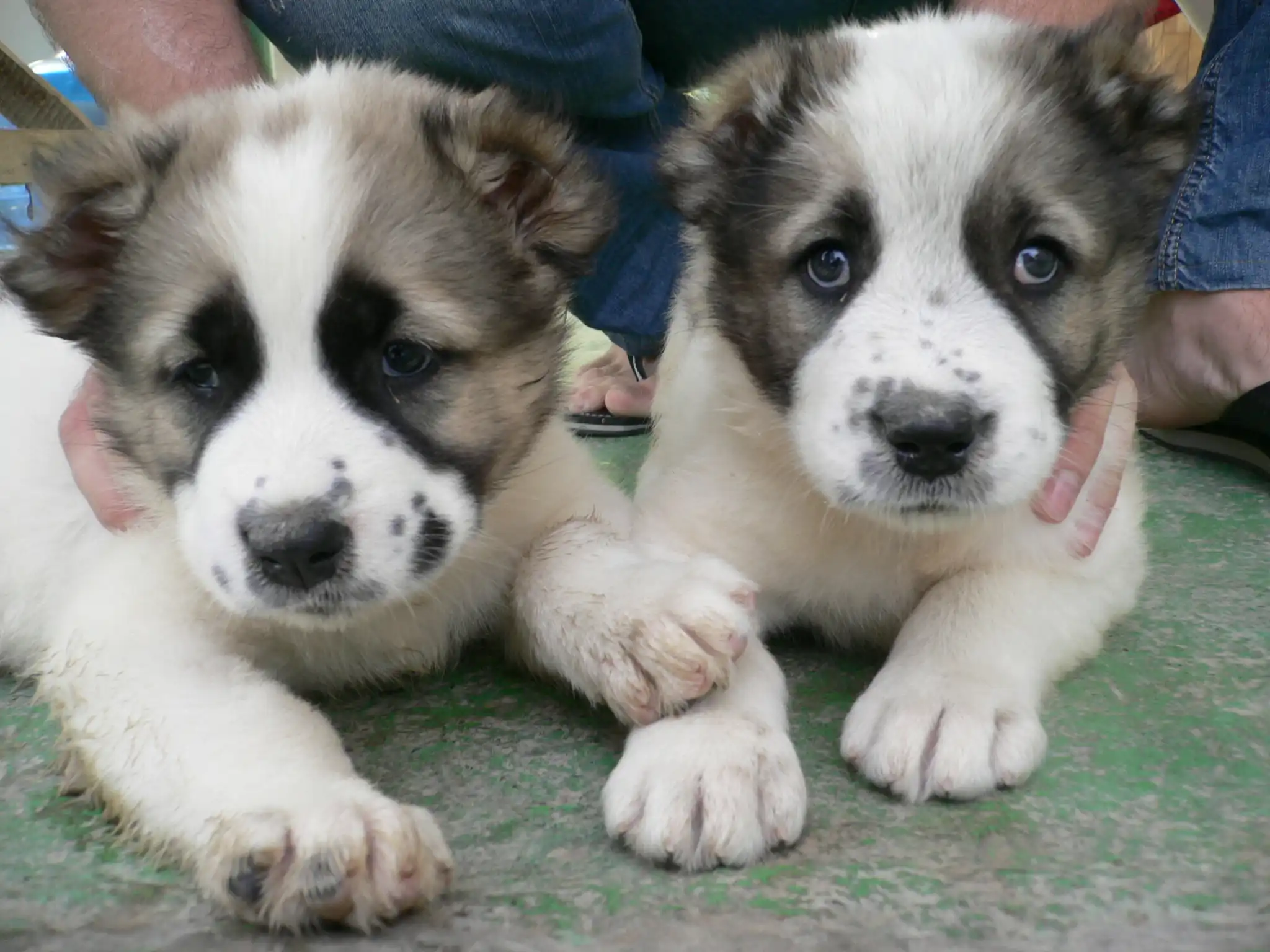
Breakfast at the hotel. Visiting “horse household” in Sunche village. En route, visting “dog farm”. From “Horse farm” riding horse to visit “ Kyrk Gyz”(trns. 40 girls) waterfall.Distance to waterfall 3 km. Return 3 km. After lunch come back to the “Horse farm” . Drive to Ashgabat. En route, visiting “Kow-Ata” underground lake. Dinner at the hotel in Ashgabat. Homeland alabai - Turkmenistan. In this country alabais were separated from other animals. Alabai - this is the breed that no one was mixed, so the original form has been saved. When people were tending their flocks, they used dogs to protect their populations, as the dogs were needed to fall cattle. Then life has changed, and the dog was necessary only for the defense and protection. Alabai was an assistant in guard duty. At that time there were many wild beasts, from which could only protect this breed of dog. The main features of alabai - it's endurance and simplicity in food. Alabai capable of very long time to work, to protect the herd from predators, to feed him, and thus can not have the whole day. The dog is able to come to grips with the wolf. Alabai can have bad food and still be strong. Weather is no obstacle for the dog. On the southern slope Tyrnov (12 kilometers southwest of Baharden ) is Sunchi cave . It is also called Kirk Giz - 40 girls. The cave is 10 meters in depth , it narrows. Narrow gallery at the bottom of which flows the stream continues even further. Height of the cave near the entrance of the cave 2 - 3 meters. The cave is located in the rock mass , folded travertine - wandering masses porous gray limestone capacity of several tens of meters. In caves vault and on the walls there are areas covered with brownish- black resinous crusts mummy . The cave is wet gloom , constant temperature - a unique microclimate , which promotes the formation of nodular , sometimes acinar clusters mummy . Clay floor of the cave contains the mummified animal droppings lived here : rodents, argali livestock. In this case, the mummy formed in the redistribution of organic matter with subsequent accumulation of trace elements that are not directly related to the surrounding rocks . Horizontal cave , one hall is divided into several sectors . There is a spring of fresh water.
Day 3: Ashgabat, Turkmenistan
Breakfast. Visiting : - “Altyn Asyr Gundogar” market. - “Saparmyrat Turkmenbashi Ruhi mosque” . Lunch. Ashgabat city tour : - Excursion to “Independent Monument” . - Visiting Turkmenistan State museum and Traditional Carpet Museum. Overnight in the hotel. The national museum of Turkmen carpet was created in Ashkhabad by presidential decree in 1993.The museum was opened in order to recreate and preserve the national traditions of Turkmen carpet-weaving and also for carpet popularization of Turkmenistan. It was designed for the collection of the best samples of carpet art,study,restoration and farther development of a manual carpet-weaving.Now the.Now the museum has up to 8000 different exhibits,the smallest carpet is 0,01 sq.metre and that which is considered as the biggest one in the world is 301 sq.metre,entered the Guiness Book of Records in 2003. There are also silk carpets in the museum which were woven by skilled craftsmen 3-4 centuries ago. The State Museum of Turkmenistan was established in 1990, its total area is 15 thousand sq. metres. The museum consists of seven galleries, keeping the history of modern culture and ethnography of Turkmenistan. There are more than 116 000 unique items in the museum's collection. Here you can see thousands of archaeological monuments of old Nisa and Merv, as well as ancient Turkmen carpets, household items, samples of national clothes and fabrics, items made of precious metals.
Day 4: Ashgabat, Turkmenistan to Ashgabat International Airport, Ashgabat, Turkmenistan
Brakfast. Transfer to the international airport in Ashgabat. The end of the tour.
What's included
Letter of Invitation, Travel Pass, Registration Accommodation BB English Speaking Guide Airport Transfers A/C Land transport Entrance fees to sites mentioned
Visa Fee Insurance Immigration Card – 14 USD p/p Camera fee at sites
What to know
This tour can be customized. Please get in touch with me.
Route & locations
Ashgabat International Airport, Ashgabat, Turkmenistan to Ashgabat, Turkmenistan