Unveiling the vibrant tapestry of Navruz, an 8-day celebration that transcends time, uniting Persian nations with a legacy that reaches back several millennia. Discover the rich cultural roots and traditions embedded in this international festivity that ushers in the promise of spring.
A Global Heritage: Navruz's UNESCO Recognition
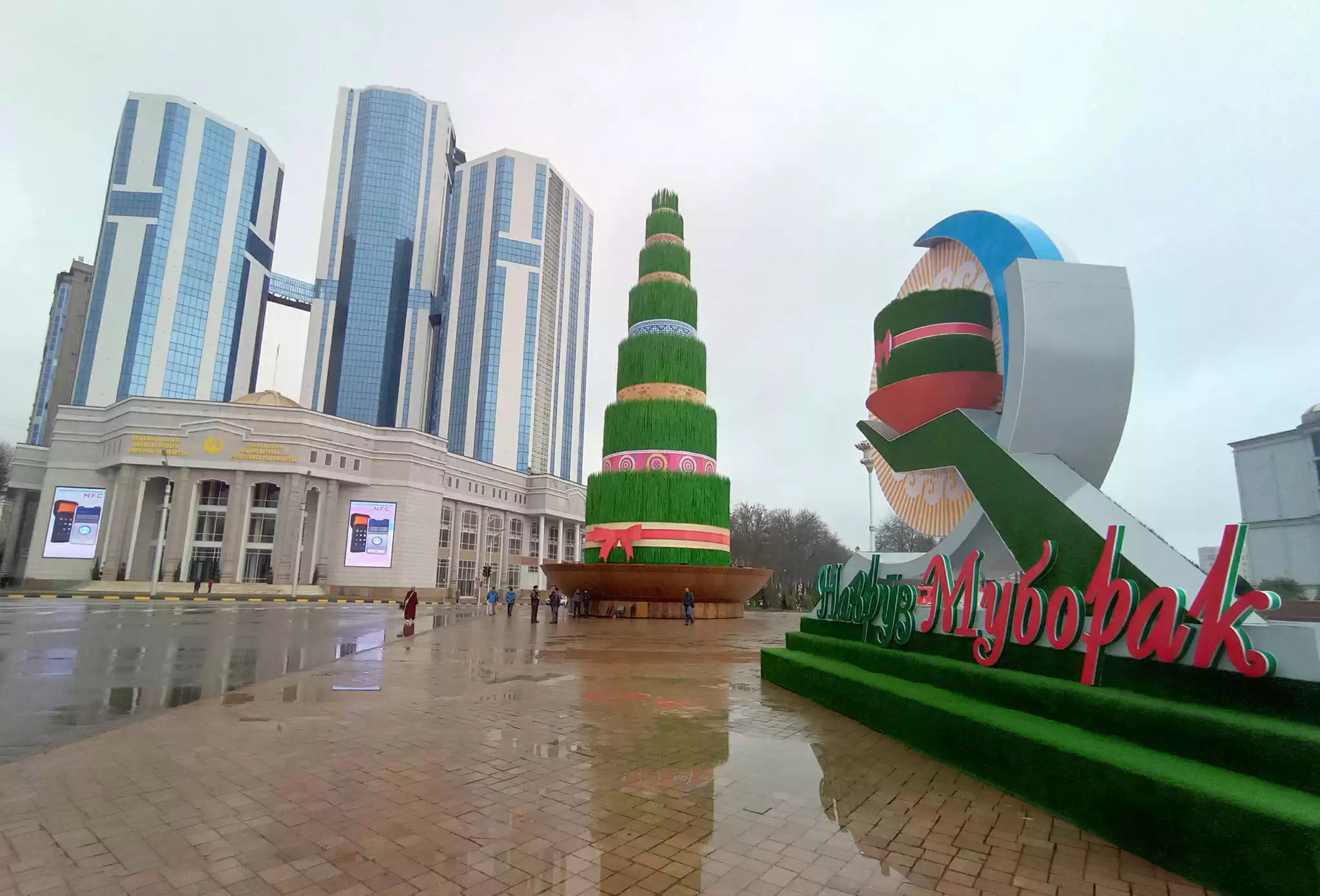
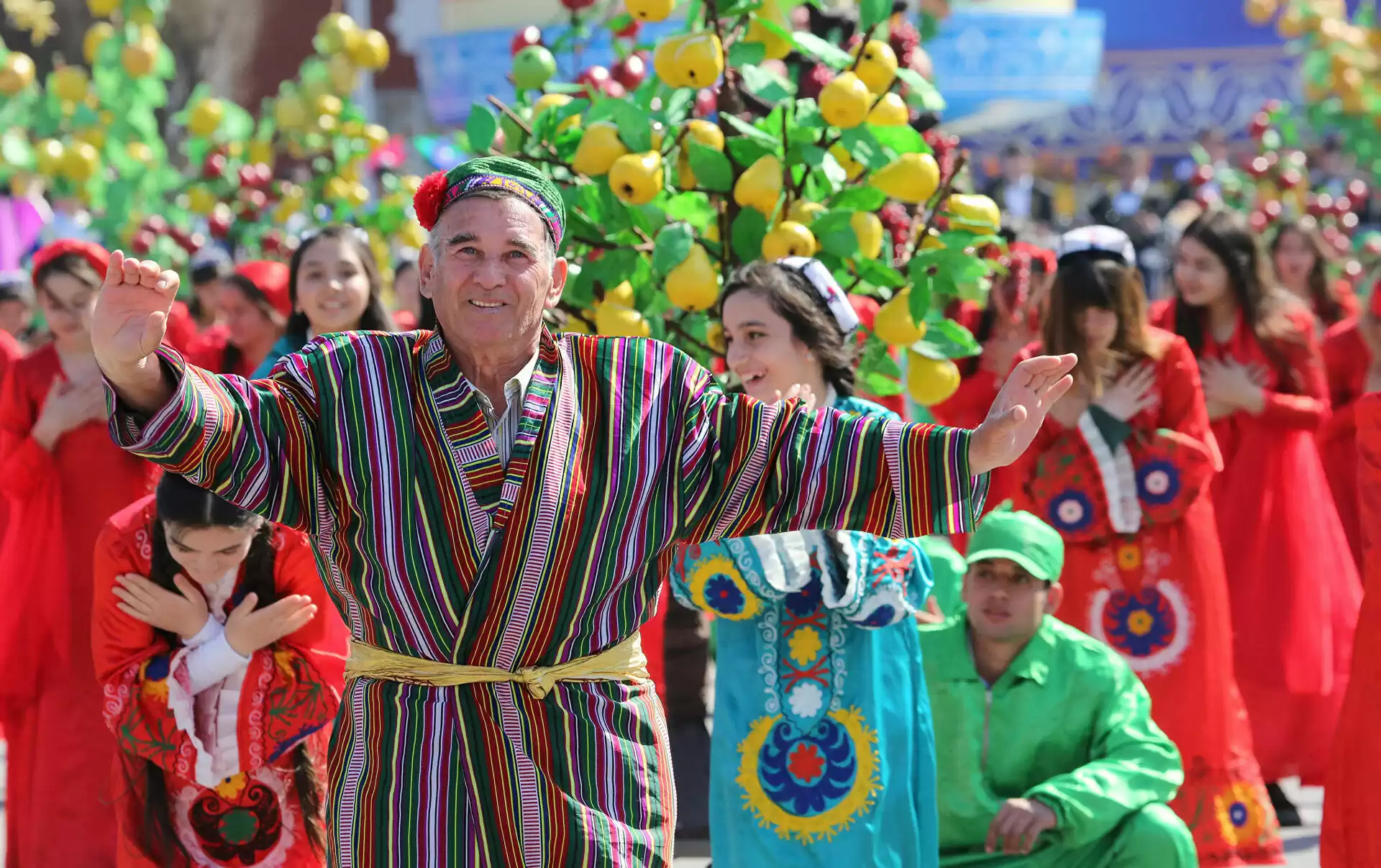
In September 2009, Navruz was bestowed the honor of inclusion in UNESCO's representative list of intangible cultural heritage. This recognition marked the significance of Navruz in celebrating the fundamental spiritual values shared by diverse nations. In February 2010, the UN General Assembly declared March 21 as the "International Day of Navruz," cementing its status as a universal celebration. The festivities unfold from March 15 to 30, enveloping communities in the joyous spirit of renewal.
The Essence of Navruz: A New Day for Persian Nations
Navruz, meaning "New Day," holds a special place in the hearts of Persian nations, including Tajiks. The word itself is a fusion of "nav" (new) and "ruz" (day). Pronunciations may vary, from Novruz to Naviyz, reflecting the linguistic diversity across different regions.
A Celebration of Equinox: Tracing Back Seven Millennia
Aligned with the vernal equinox on the solar calendar, established by Iranian nations seven millennia ago, Navruz heralds the onset of spring. Legend has it that even the First Man, Kayumars, was created during the celestial equilibrium of day and night, emphasizing the symbolic rebirth intertwined with this celebration.
Navruz's Ancient Roots: A Historical Odyssey
With a history dating back 3-4 millennia, Navruz is deeply rooted in Persian heritage. Legend attributes its origin to the legendary Persian king Djamshed. The festivities were divided into two types: national Navruz spanning the first five days and the grand Navruz-i hosa starting from the sixth day, marked by opulence. On this day, the king's residence opened its doors to citizens, and acts of clemency unfolded, releasing prisoners and absolving the convicted.
Preparing for Navruz: A Ritual of Purity and Renewal
As the warmth of "garmo" heralded the season, meticulous preparations took center stage. Homes underwent thorough cleaning, with floors, ceilings, carpets, and utensils receiving careful attention. Even manure, stored for winter, found its way to the fields as organic fertilizer. The anticipation built up, signifying the renewal of both nature and spirit.
Navruz Traditions: Symbols and Symbolism
The heart of Navruz lies in the symbolic haft-sin table. A mirror, vessels with water and alive fish, pomegranates or apples, and silver coins are arranged, each holding significance. The table, adorned with seven dishes, all starting with the letter "s," connects with Zoroastrianism angels. Rituals like "juftbararan" and "juft kardan" evoke the communal spirit, symbolizing the commencement of sowing spring and the leadership of Bobo Dehkon.
Games, Creativity, and Culinary Delights: Navruz Unleashed
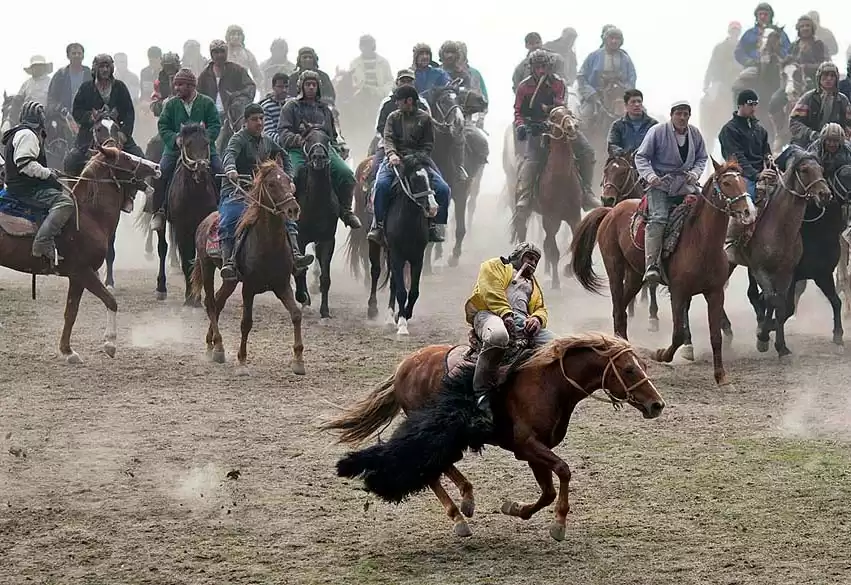
Navruz days resonate with joyous activities, from traditional games like wrestling and buzkashi to the culinary mastery of preparing sumalak and gudja. The celebration extends to creativity, with symbolic figures and handprints adorning homes, reflecting a magical invitation to goodness and divine grace.
Modern Echoes of Tradition: Navruz in Contemporary Tajikistan
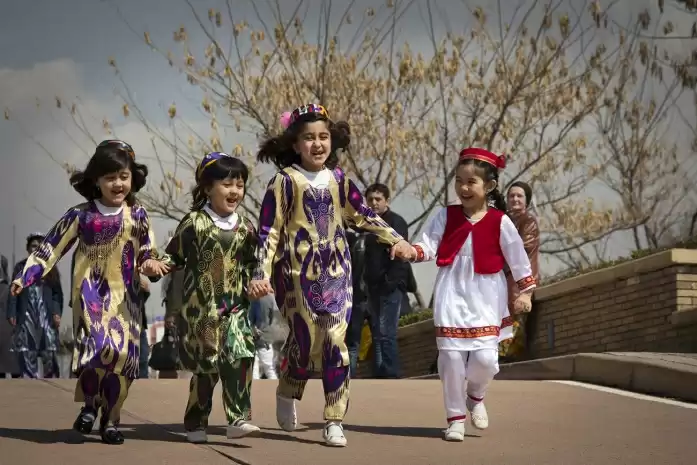
Today, Navruz in Tajikistan remains a vibrant celebration, blending ancient symbols with modern designs. The holiday inspires creativity, with girls sewing dresses that seamlessly fuse tradition and contemporary flair. Fashion shows unfold across the regions, rekindling the fading signs of Navruz and ensuring the continuity of this timeless celebration.

In Tajikistan and most eastern countries is starting Navruz holiday. We welcome all guests to have a visit to Tajikistan, of course we have ready tour package with 8 days in different regions of Tajikistan
VIEW PROFILE →