Bukhara – the land glorified by Allah
Bukhara city is one of the most ancient cities in the world which was located on the junction of the Great Silk Road for long time by being a major center of science, craft, art, and trade. It is really one of the pearls of the Great Silk Road with about 140 architectural monuments in the city and about 1000 monuments in the whole province dating from the 9th to the 20th centuries. The cultural layer of the city goes deep for about 20m
It is one of the museum-cities where still past and present take hand by hand and go-ahead for the future with great hopes. According to historical sources the real name of the city used to be Numijkant: New city surrounded by a wall. During the reign of Shiri Kishvara, one of the rulers from Turkish Kaganate, the name of the city was changed into Bukhara. There are several ideas about the etymology of the word Bukhara: in one of them, they say that “Bukhara” is the Zoroastrian word and means “source of knowledge”, in the other idea they say that “Bukhara” comes from Sanskrit meaning Buddhist shrine. After spreading Islam in Central Asia in the 8th century, Bukhara became a major center of Islamic culture and gave to the world the greatest Islamic scholars and since then the city has the title “Sharif”: Noble Bukhara. And in those times another definition of the word Bukhara appeared, in which they say 'Bux' means Allah, 'oro' means Fascination, “fascination of Allah”.
Bukhara is the area that reminds you of the stories of famous fairy-tail "1001 nights" as deeper you walk through long intricacy passages of the neighborhoods of 16-17th centuries. It is the city of blue domes and golden minarets with functioning mosques and madrasahs, with 16th-century bazaars and handicraft workshops.
This land gave to the world some of the greatest figures such as Abu Ali Ibn Sino, Imam Al-Bukhari, Mukhammad Narshakhi, Bakhauddin Nakshbandi, etc., and such famous people as Mukhammad Al-Khorazmi, Abu Rayhan Beruni, Omar Khayyam who spent some years and held some researches in this city.
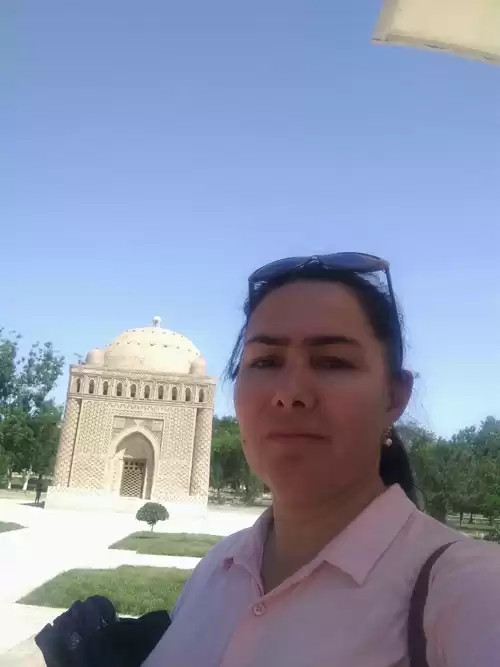
It is the land glorified by Allah where you can find the oldest Islamic building of Central Asia which is known as a masterpiece of central Asian architectures – Ismail Somoniy mausoleum, Chashma: Ayub mausoleum where not only Muslims but also Jewish and Christians go for pilgrimage. Bukhara – the city of tolerant people.
The Ark fortress of the city by itself has a history of the city inside the city – the residence of all Bukhara rulers which is located in the Registan Square of the Glorified land witnessed a lot but is silent…
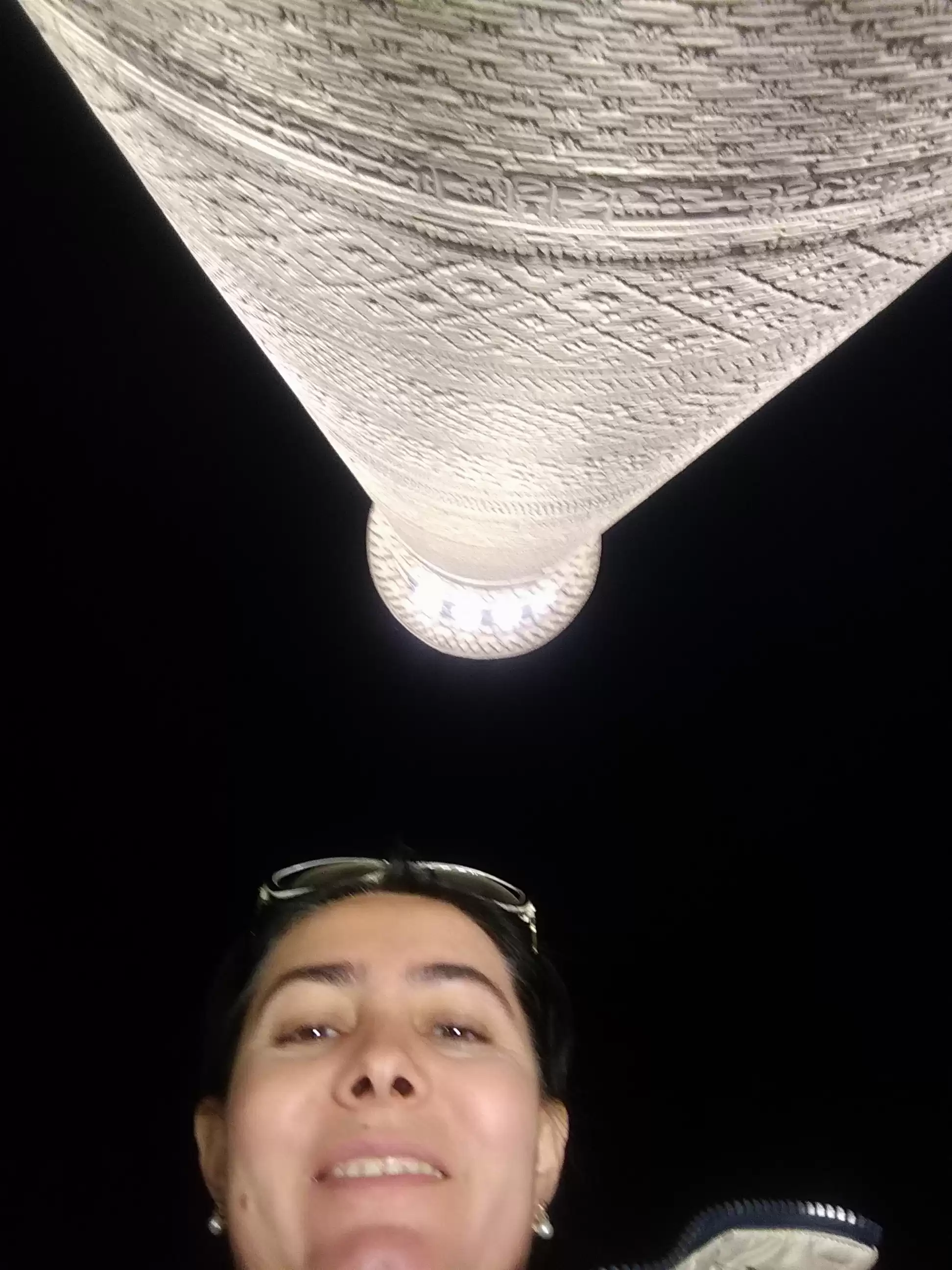
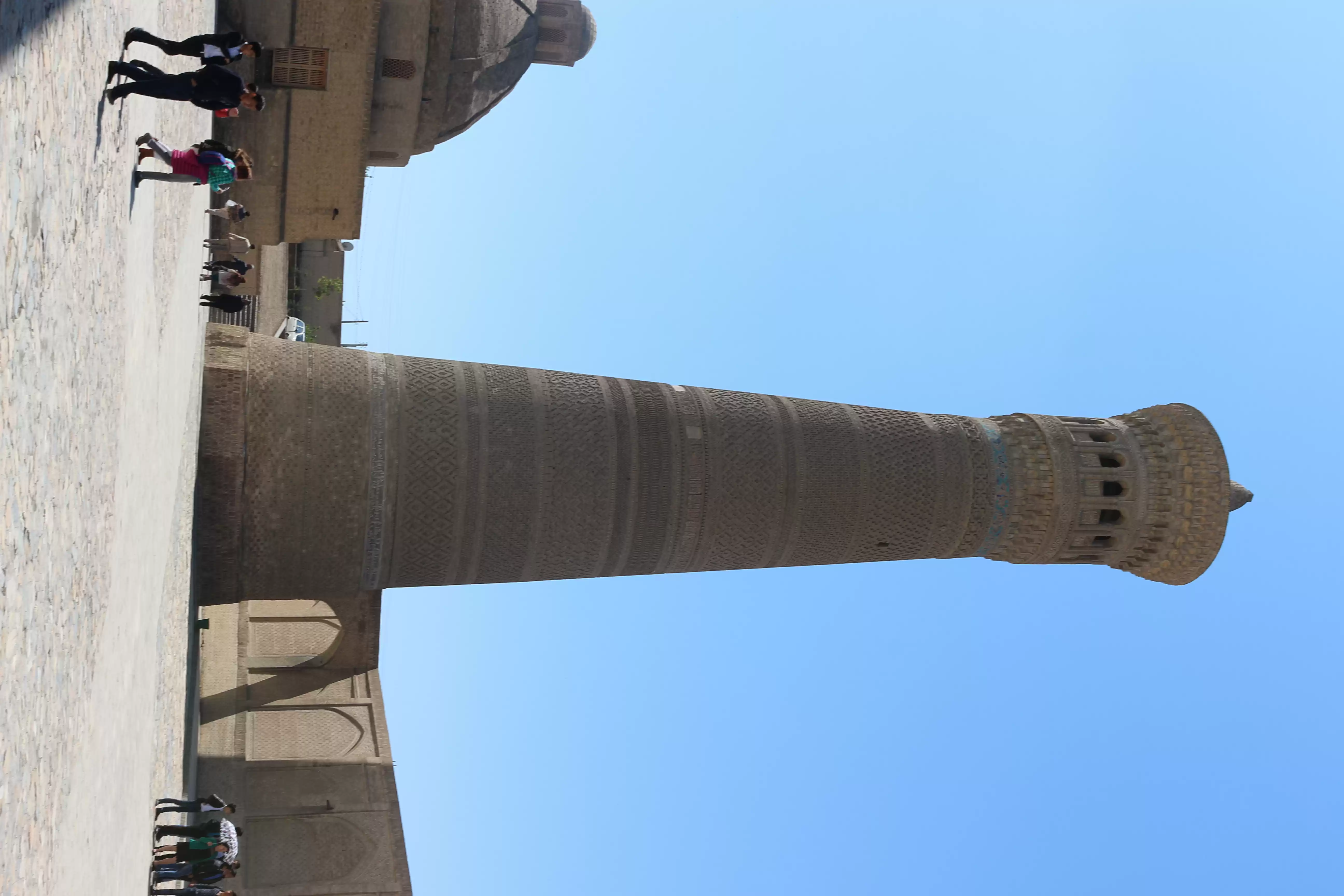
The complex “Poi- Kalon” with the meaning “On the foot of the Great” was and is considered as a spiritual heart of the city. This part of the ancient city excites you with the majestic 12 c. architecture with the name “Minora I Kalon”- a symbol of Glorified Bukhara shows you the beauty of the 12c. Minorai Kalon - Great tower of the city is one of the pre-Mongol architectures of Central Asia where you can find skillfully done brickwork without tiles and dyes. The Mosque Kalon on the side of the Minaret also inspires you with the symmetrical architecture covered with 288 small domes where each dome from the inside has different brick patterns. it is one of the biggest mosques of Uzbekistan where at once 10000 people can pray
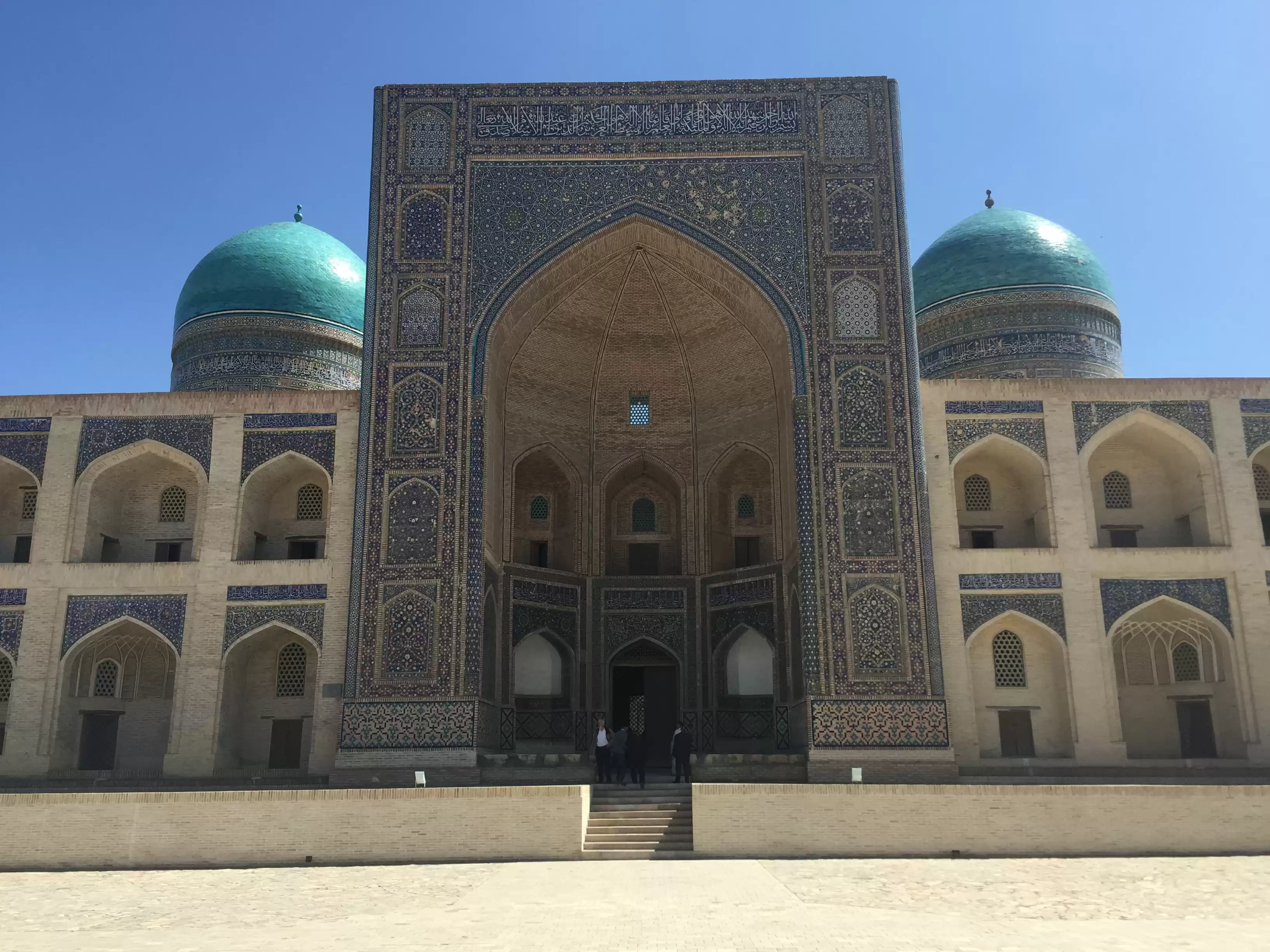
The next architecture of this complex is “Miri Arab” madrassah the construction of which dates back to the 16th c. It was one of the most famous Islamic educational establishments in the Islamic world where not only just from Bukhara but also from Central Asia and Caucasia people came to study and it was the only functioning madrassah during the period of soviets.
It is still one of the functioning madrassahs in Uzbekistan as well.
Bukhara was a kind of mega-market in the open air with different bazaars and workshops. The great Islamic teacher- Sufi Bakhauddin Nakshbandi’s saying “Dil ba yoru dast ba kor”- Heart is with Allah and hands into work is considered as a motto of each person who lives in this holy land. Each bazaar of Bukhara was specified to different types of craft with workshops in the same place naming as Toki Zargaron (Jewelry makers workshops and bazaar) , Toki Telpak Furushon- hat makers workshops and bazaar, and Toki Sarrofon - money exchangers bazaars from the 16th century give you the filling of the oriental trade Tim Abdullakhan 16th century bazaar was silk center in Bukhara where still you see the girls making fine ikat silk fabrics and carpets which are famous all over the world.
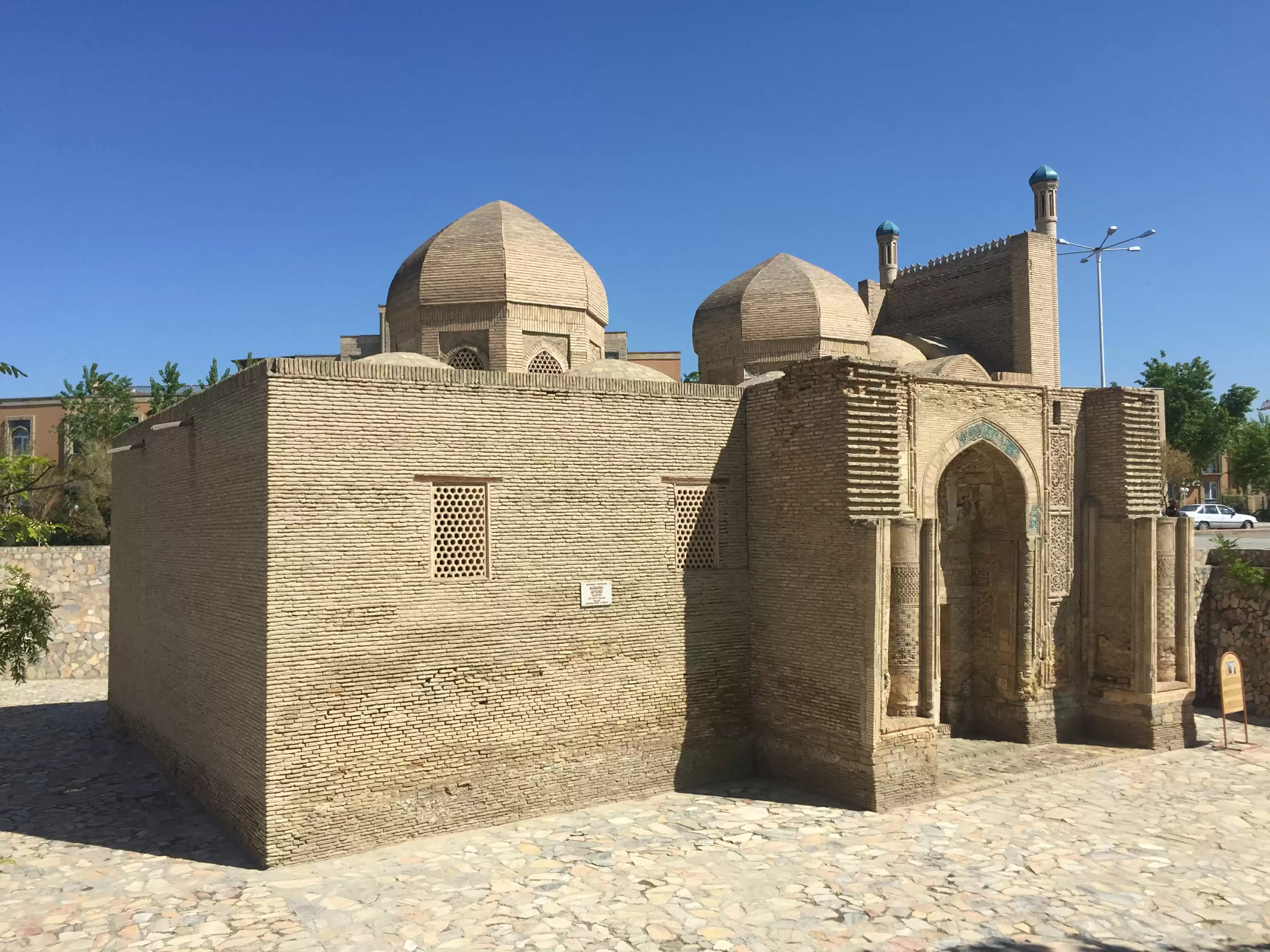
Passing through trading domes with the filling of oriental shopping centers you can find one of the ancient mosques of the city called ”Magoki Attori” mosque – the mosque in the pit is the translation, instead of which there used to be Zoroastrian temple Buddhist shrine and after constructing the mosque by Arabs it was served as a synagogue to Jews of Bukhara.
The complex Labi Havz is one of the recreational places for local and tourists of Bukhara which used to be a trading core of the old city. According to historical information around the city wall there used to be 11 gates which were open from the sunrise to the sunset and there were roads from each gate to Labi Havz complex and all caravans were led to the trading center this way.
That’s why local people say that if in Europe all roads lead to Rome in Bukhara all roads lead to Labi Havz.
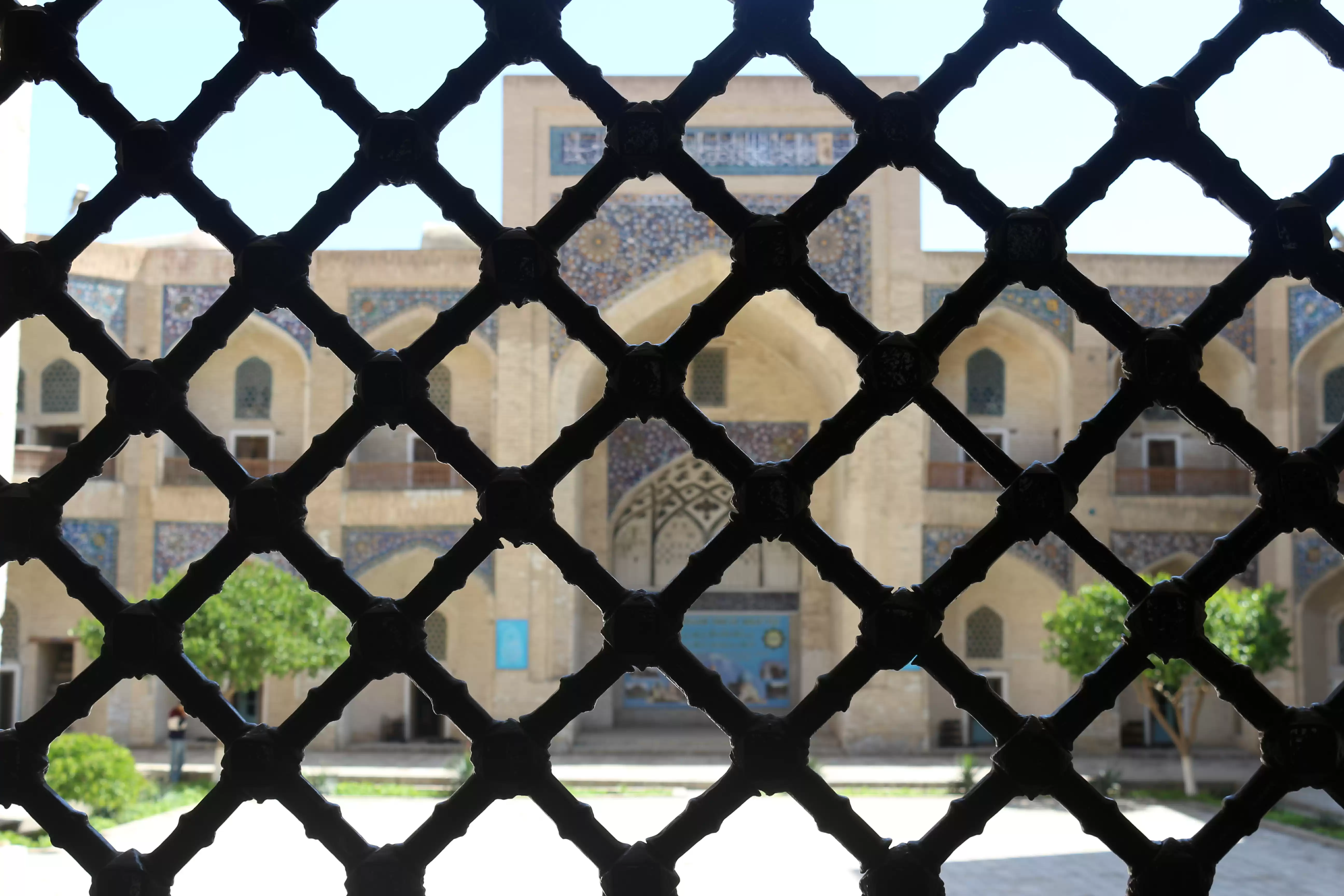
Today in this area of Bukhara one can find, madrassah and khanako Nodir Divanbegi from the 17th century, the biggest Central Asian madrassah with the name Kukaldosh from the 16th century, jewish neighborhood , oriental chay-khana with traditional food around the pond, karavansarays with artisans workshops and shops inside and one of the most famous statue of Uzbekistan - the statue of famous humorist of East and middle East - Khodja Nasreddin on his donkey- the legendary hero of Bukhara who gives a lot of happy filling to people around. Local tourists from other areas of Uzbekistan say that if they don’t take a picture with this statue their relatives don’t believe that they visited Bukhara.
Just behind the Labi Hovz complex if one goes through the mahalla- neighborhood one can find hidden pearl of the city 19th century Chor-Minor madrassah which has influence of Indian architecture- really photogenic architecture with 4 blue domed minarets/
It was just short description of ancient and eternal Bukhara and if you really want to fill the heart of Orient and see them with your own eyes, we will with pleasure say to you: Welcome to Bukhara!
Bukhara - the land glorified by Allah, the centre of beautiful culture, tradition on the Silk Road. Bukhara is the beauty of the Silk Road spirit.
VIEW PROFILE →