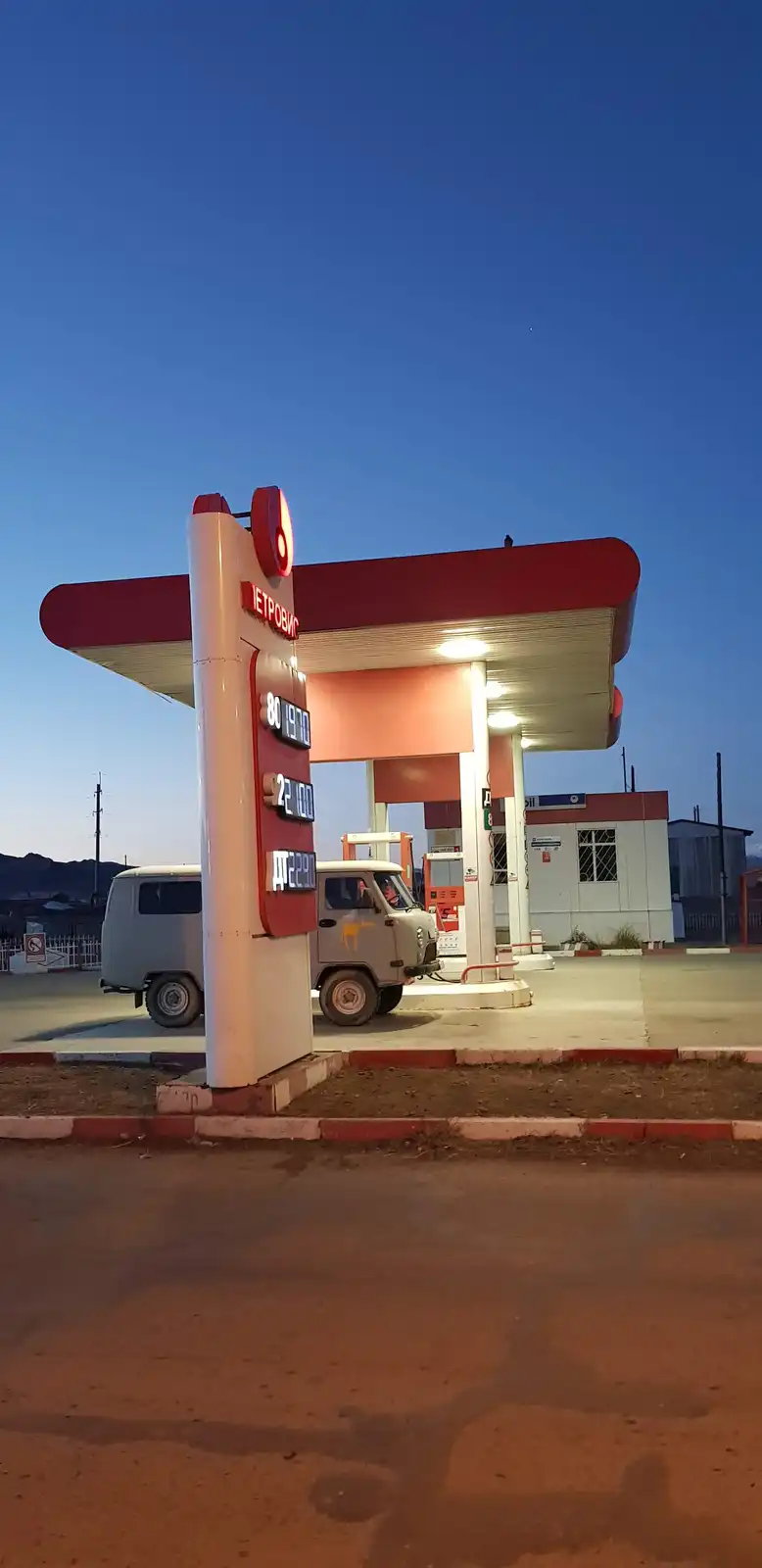
Mongolia, the land of the eternal blue sky, calls to adventurers with its vast, untamed landscapes, ancient traditions, and the promise of unforgettable road trips. From the bustling energy of Ulaanbaatar to the serene tranquility of the Gobi Desert or the rugged beauty of the Altai Mountains, exploring Mongolia by road offers unparalleled freedom. However, as we approach the peak of the 2026 summer travel season, our guests and fellow travelers need to be aware of a temporary but significant consideration: the current fuel situation.
As a local host here in Mongolia, I want to provide you with an honest and helpful overview of what's happening and how you can plan your journey to ensure a smooth and enjoyable experience.
The Open Road Ahead: Why Planning is Key in Mongolia
Imagine endless horizons, herds of galloping horses, and the warm hospitality of nomadic families. This is the essence of a Mongolian road trip. But unlike many countries, fuel stations can be few and far between once you leave the main cities. Our vastness is part of our charm, but it also means that logistical planning, especially concerning fuel, is always a crucial part of any adventure here. Currently, this planning needs to be even more meticulous.
Understanding the Fuel Landscape: What's Happening?
Mongolia is currently experiencing a serious shortage of petrol, particularly AI-92 gasoline. This has led to noticeable changes at some fuel stations, including longer queues and temporary limits on how much customers can purchase at one time. While the situation can be challenging, it's important to understand the root causes.
The primary reason for this current situation is Mongolia’s heavy dependence on imported petroleum products. A significant majority, around 95%, of our fuel imports traditionally come from Russia. This reliance means that any disruptions in Russian refinery production or transportation networks can have a direct and immediate impact on our local supply. The increased demand during the vibrant summer travel season, driven by both domestic tourism and international visitors eager to explore, naturally exacerbates these supply challenges.
On the Ground: What Travelers Might Encounter
If you're planning a long-distance road trip this summer, you might encounter some variations in fuel availability. While Ulaanbaatar generally sees a steadier supply, even here, you might notice queues at certain stations, especially for AI-92. As you venture into the rural provinces, the situation can become more pronounced. Some travelers have reported waiting for hours at stations, and it's not uncommon to encounter purchase limits designed to ensure fairer distribution.
For example, you might be able to buy only 20-30 liters at a time, which, depending on your vehicle's consumption and the distance to your next stop, could require multiple stops or careful rationing. This isn't meant to deter you, but rather to inform you, so you can adjust your expectations and prepare accordingly.
Proactive Steps: How Mongolia is Responding
It's important to know that this situation is being actively addressed. The Mongolian government is working diligently to stabilize supplies. Russia, recognizing our close relationship, has agreed to provide additional emergency shipments of gasoline and aviation fuel to help alleviate the immediate pressure.
Furthermore, Mongolia is committed to diversifying its supply sources. A recent fuel agreement with South Korea is a significant step in this direction, aiming to reduce our singular dependence and build a more resilient supply chain for the future. These long-term strategies are crucial for ensuring energy security for our nation and smoother travels for our visitors.
Indy Guide's Expert Advice: Navigating Your Journey
As your local hosts and guides, our goal is to help you experience the best of Mongolia, even amidst these temporary challenges. Here’s our practical advice for planning your adventure:
- Plan Your Route Carefully: Before setting off, meticulously map out your journey, noting all potential fuel stops. Don't just assume there will be a station every 100km – they are much less frequent in the countryside.
- Always Carry Fuel Reserves: This is perhaps the most crucial tip. Invest in high-quality, secure jerry cans and carry adequate fuel reserves, especially when heading into remote areas. Having an extra 40-60 liters can be a lifesaver.
- Fill Up Whenever Possible: Do not pass a petrol station without filling your tank and topping up your reserves, even if you still have half a tank. The next station might be closed, out of stock, or have long queues.
- Communicate with Your Host/Guide: If you're traveling with an Indy Guide local host, they will be your best resource. They have up-to-the-minute local knowledge and can advise on the best routes, reliable stations, and how much fuel to carry.
- Consider Diesel Vehicles: While AI-92 gasoline is most affected, diesel fuel generally experiences fewer shortages. If you're renting a vehicle, a diesel option might offer more peace of mind.
- Factor in Extra Time: Be prepared for potential delays at fuel stations. A quick stop might turn into an hour-long wait. Build this flexibility into your itinerary.
- Stay Informed: Keep an eye on local news (your host can help translate) or ask locals for updates on fuel availability in specific regions.
Mongolia remains an incredible destination, and these challenges are merely a part of the adventure, requiring a little more preparation and flexibility. With careful planning and the right mindset, your journey through our breathtaking country will be nothing short of magnificent.
Planning Your Visit
- Current Situation (as of August 2026): Mongolia is experiencing a shortage of AI-92 gasoline. Long queues and purchase limits may be encountered at fuel stations, particularly outside Ulaanbaatar.
- Key Fuel Type Affected: AI-92 gasoline. Diesel fuel is generally more readily available.
- Rural vs. Urban: Fuel availability is more consistent in Ulaanbaatar
Mongolia, the land of the eternal blue sky, calls to adventurers with its vast, untamed landscapes, ancient traditions, and the promise of unforgettable road trips. From the bustling energy of Ulaanba
VIEW PROFILE →