There are many sites to visit
in Samarkand but not all visitors know about the existence of a unique workshop
in a small village next Konigil, located next to Samarkand. This place was
founded to revive the ancient tradition of producing paper like many centuries
ago. The Uzbek crafters carefully kept this technology and passed to their
descendants and there is a chance for any guest to observe all stages of
manufacturing ancient Samarkand paper.
Samarkand paper is usually
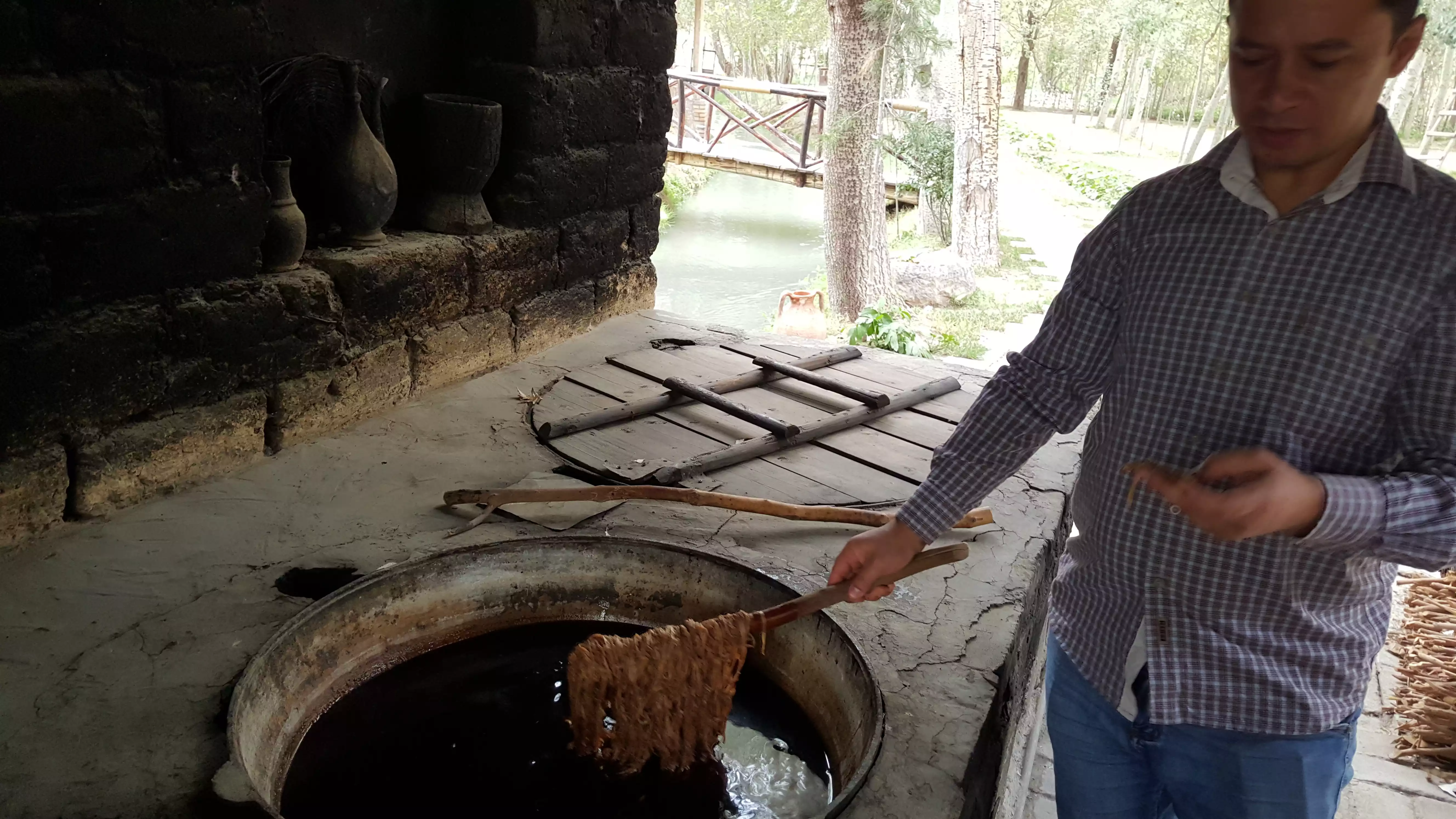
made of mulberry tree. First of all the bark must be cleaned and boiled for
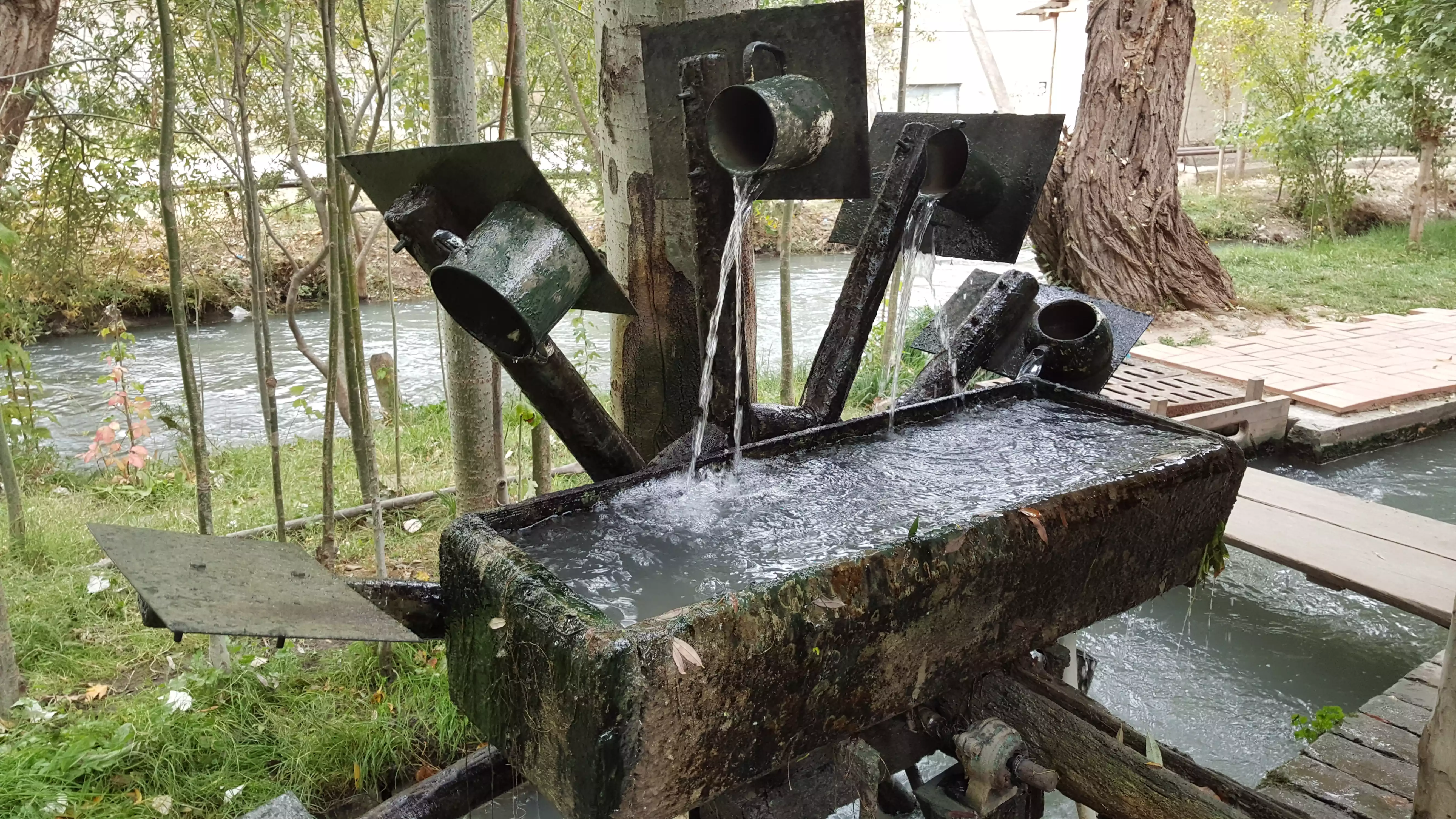
many hours in a large pan. Then they are placed in special stupas to get a
homogenous mass by beating them. After it the resulting mass is put in a tub of
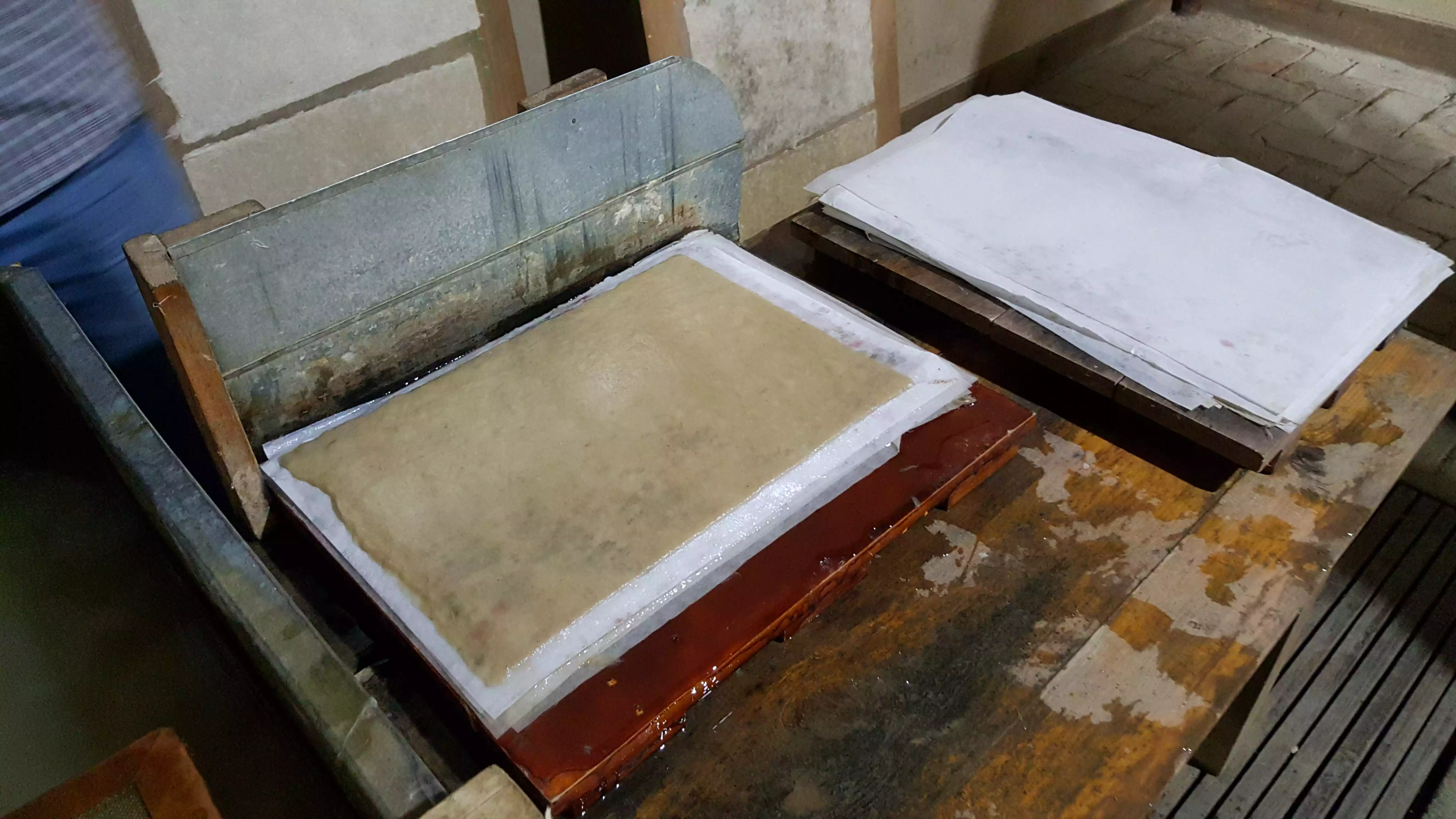
water, mixed and filtered. Then it is pressed
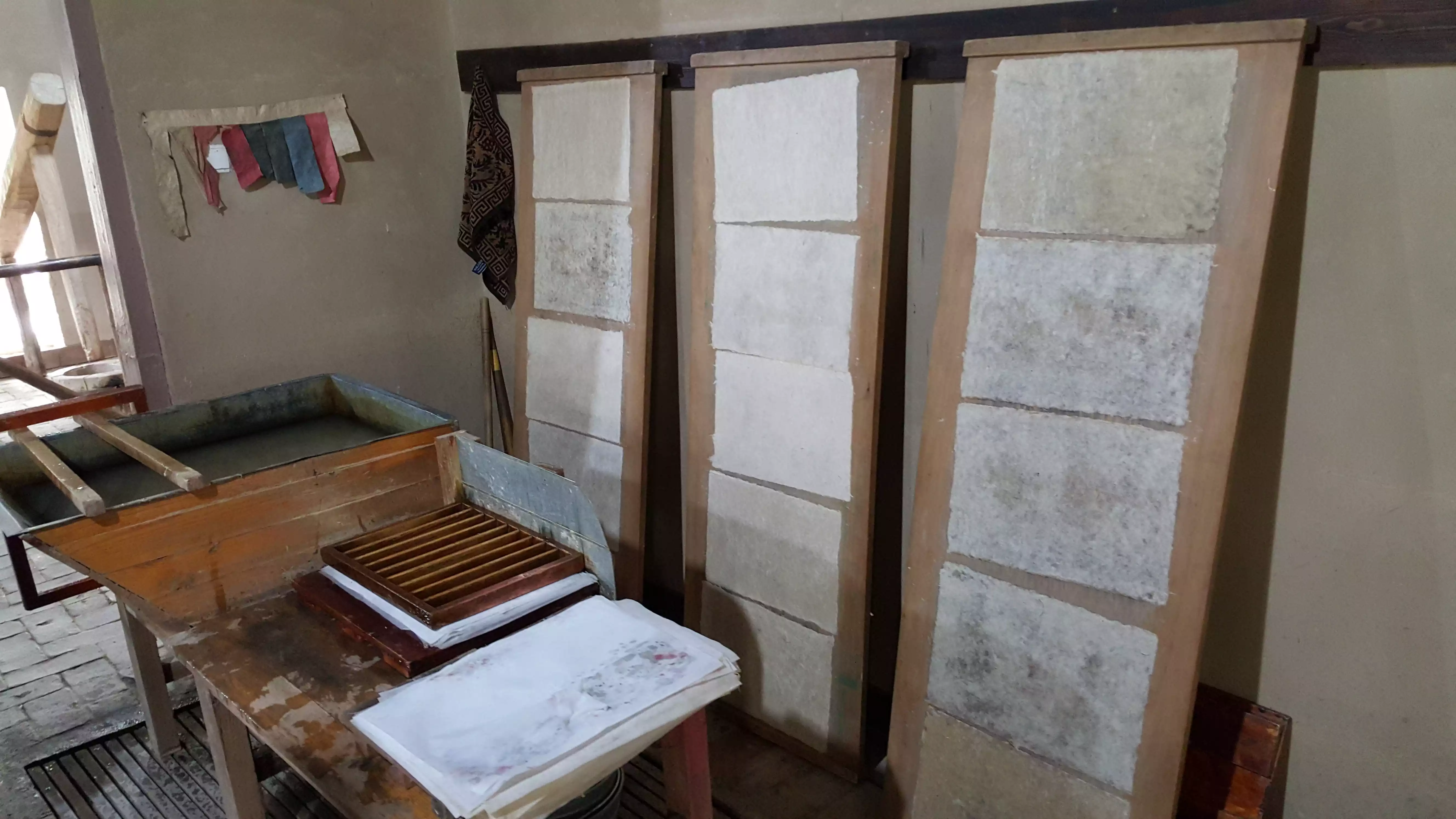
frazelin sheets. After it the paper must be removed from the sheets and
properly dried out. To get rid of the roughness of paper, masters polish it on
a marble table with a piece of marble and it becomes very strong and smooth.
Today this paper is famous not only in Uzbekistan but also abroad. Due to
not using of chemicals, this paper can last for 300-400 years. Calligraphers
like to use it, and many ancients manuscripts are restored with Samarkand
paper.
The factory is a cozy place with shady trees, bubbling Siab river,
country-style house and all the equipment just like in the 8th
century when the secret of paper production was revealed from the Chinese
prisoners. You can find lots of souvenirs made of paper such as postcards,
envelops, bags, dolls, even shoes and slippers. Come and explore one of the
most ancient crafts of Uzbekistan.

Samarkand paper factory is one of the most interesting sites and ancient tradition. At this place you will be told and shown the technology of producing paper like in former days. It is possible to buy products made of this paper
VIEW PROFILE →