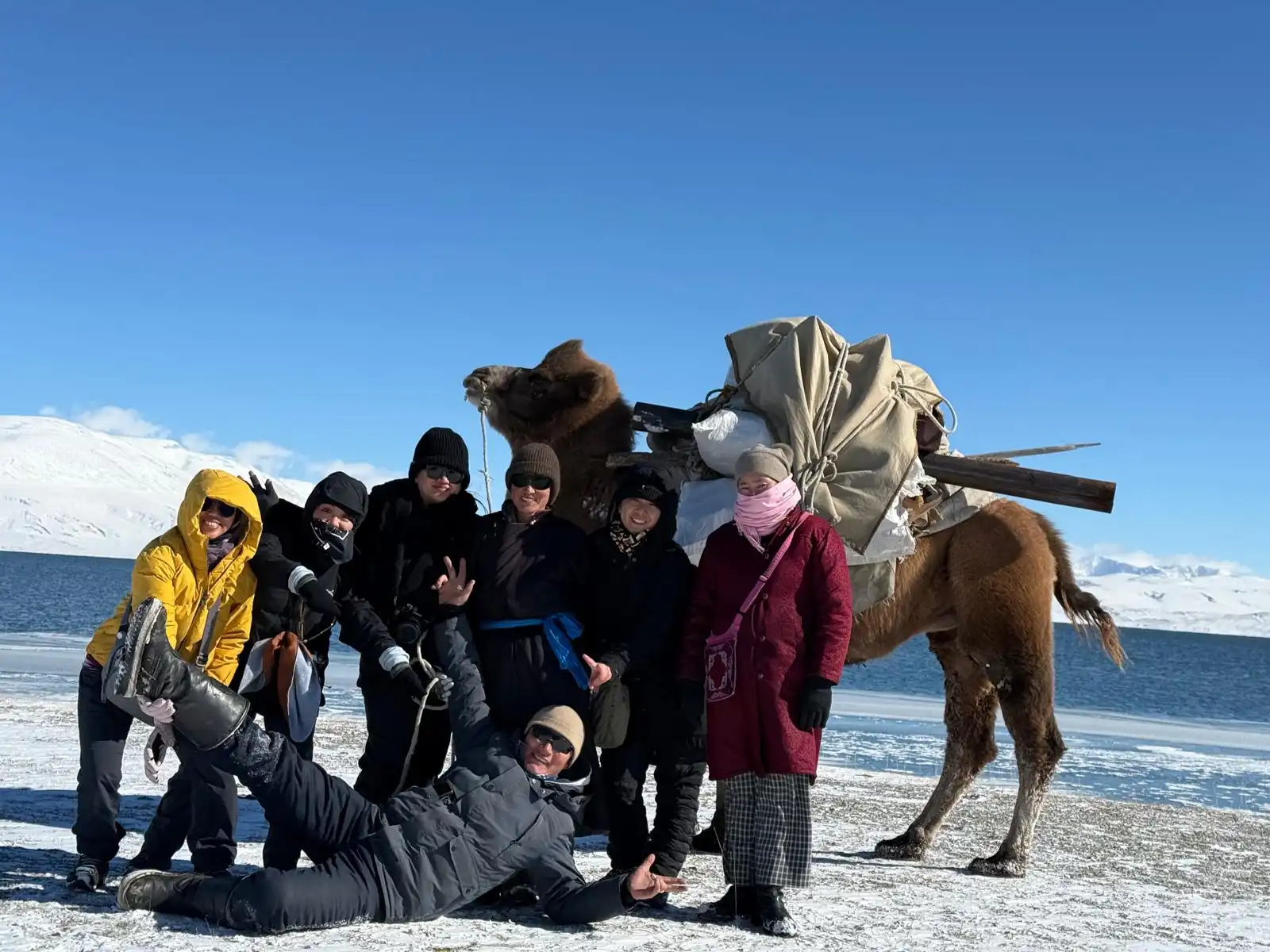
In mid October, when most of western Mongolia's nomadic families had already begun their long journey to winter pastures, four women travelers from the Philippines, flying in from Australia, arrived in the Altai Mountains looking for something more than scenery.
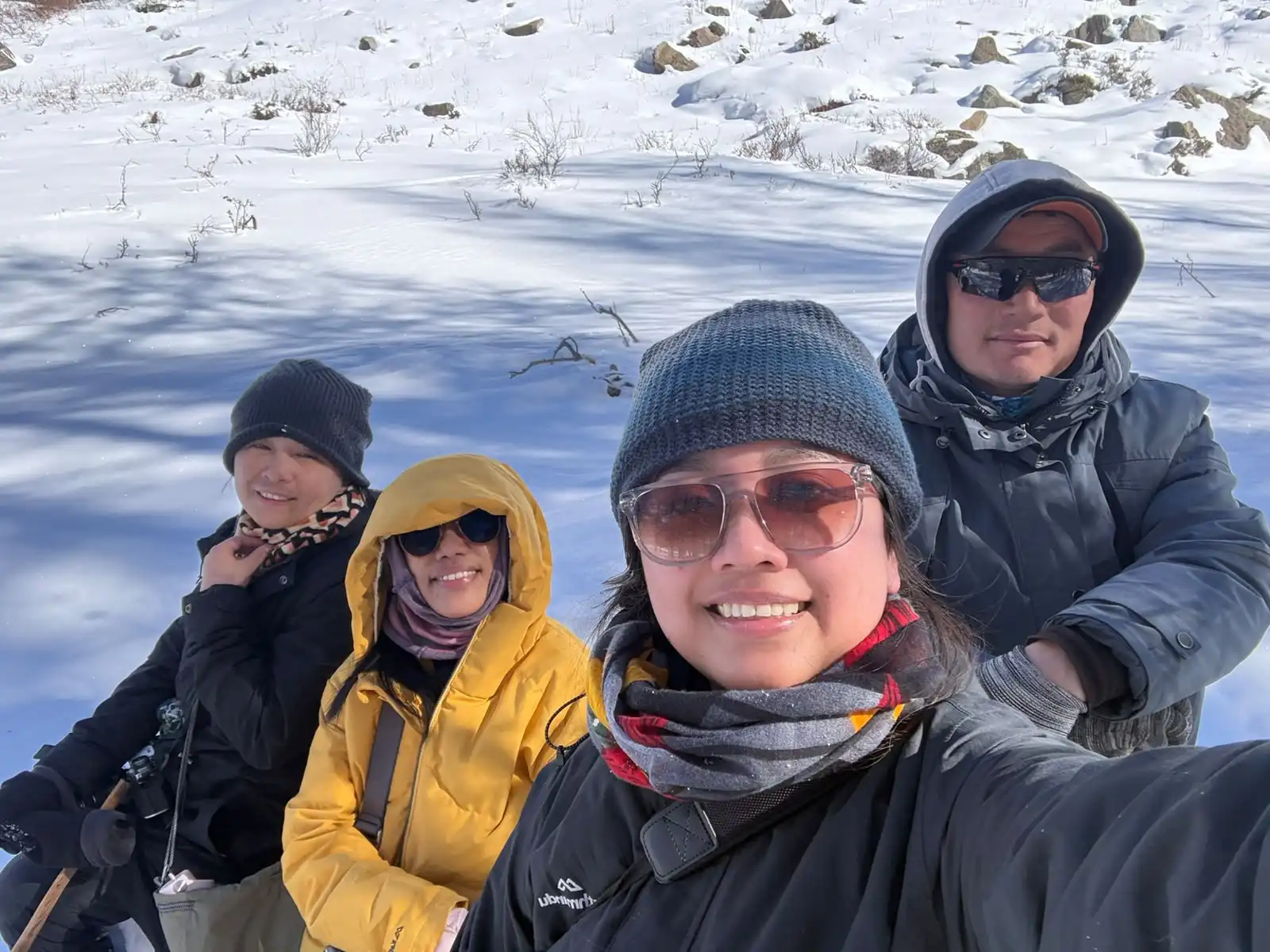
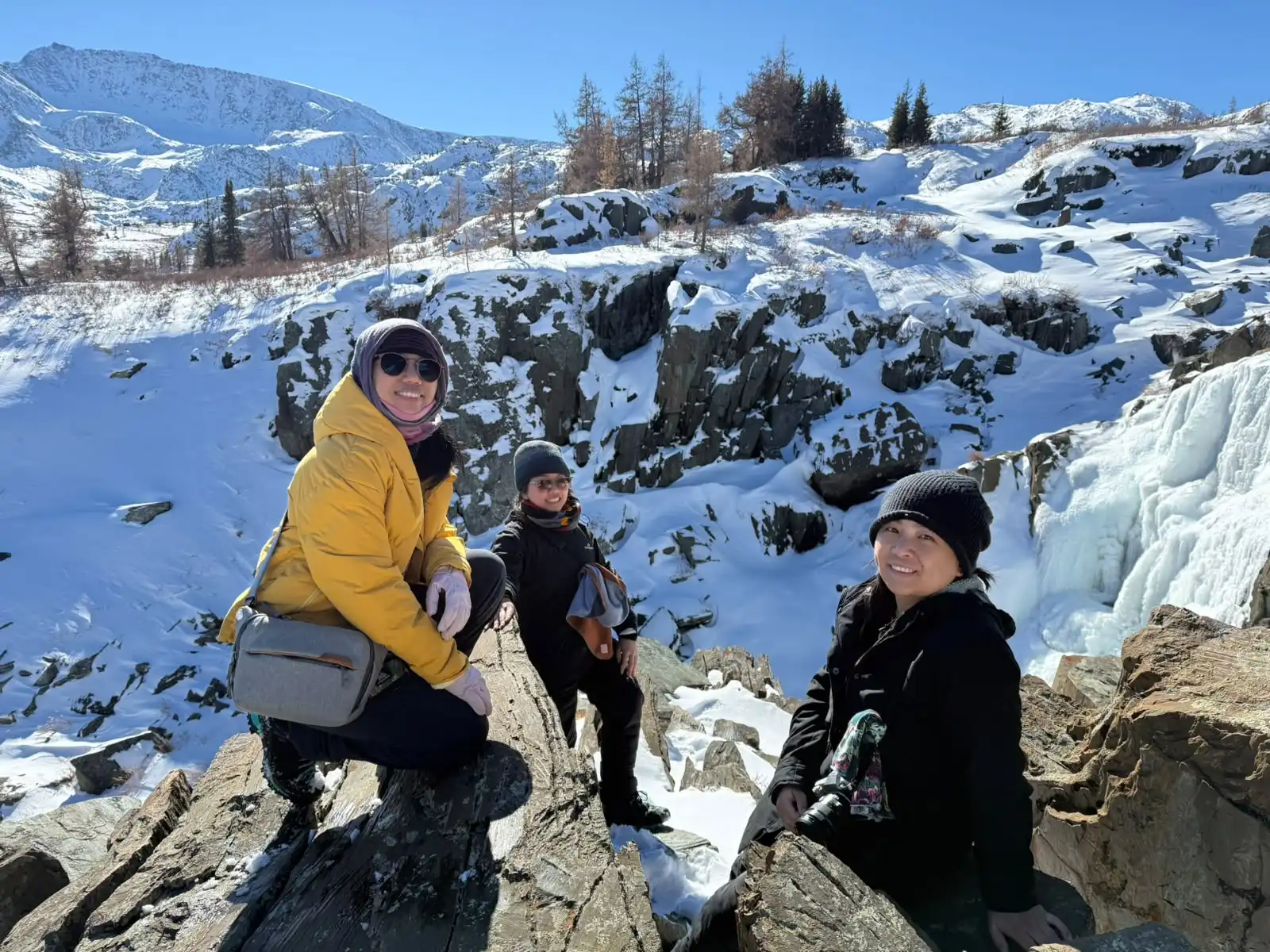
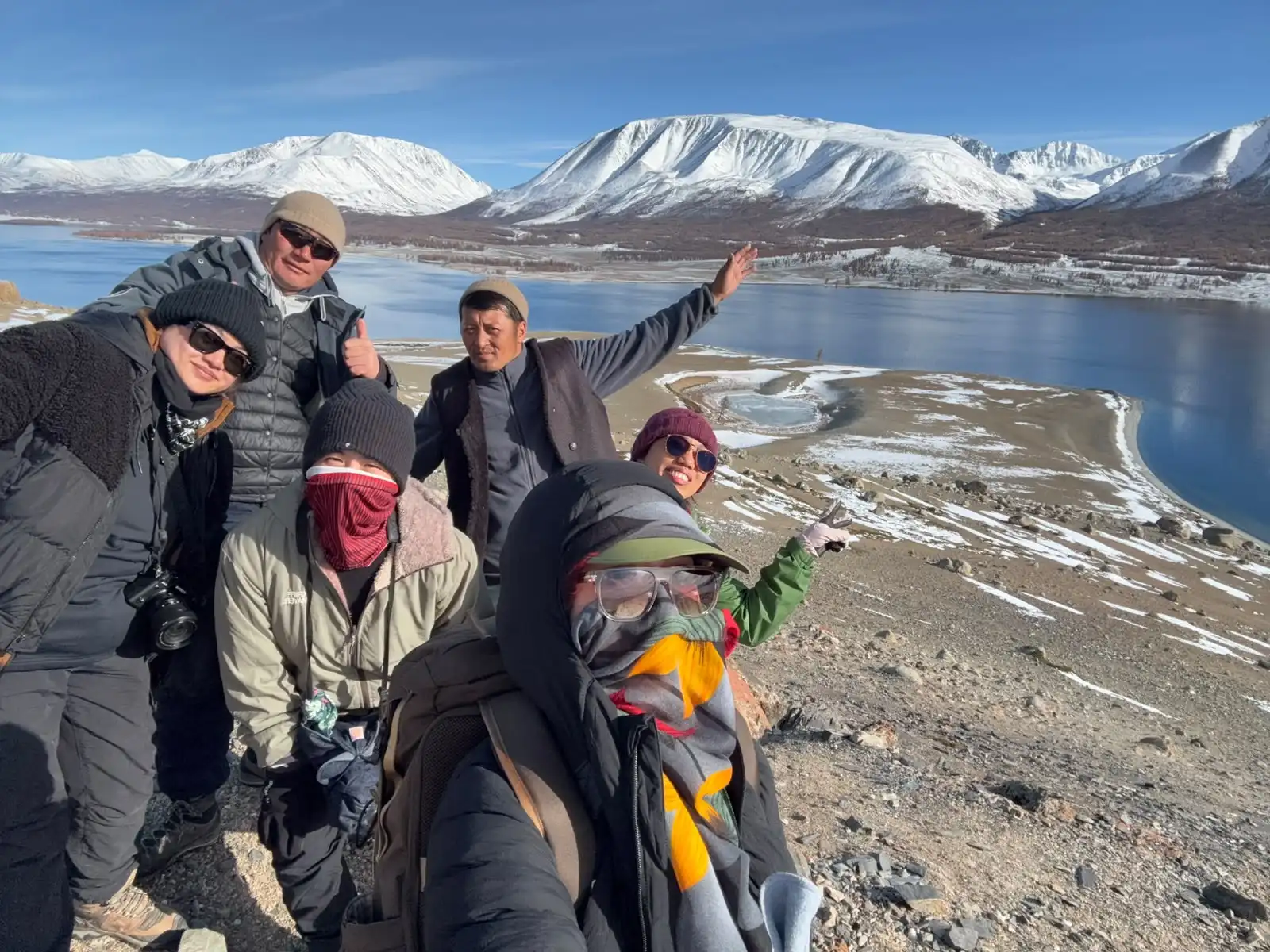
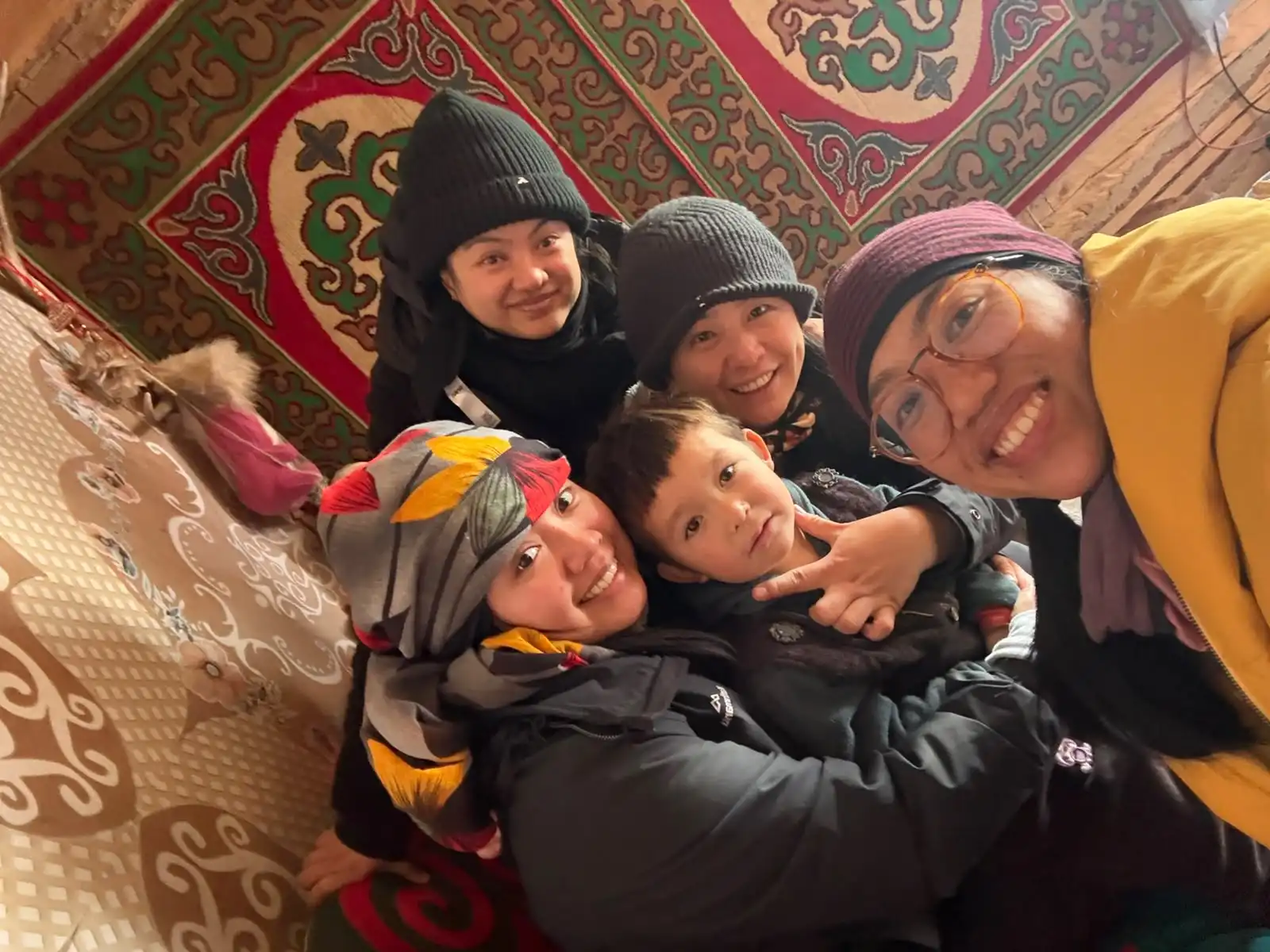
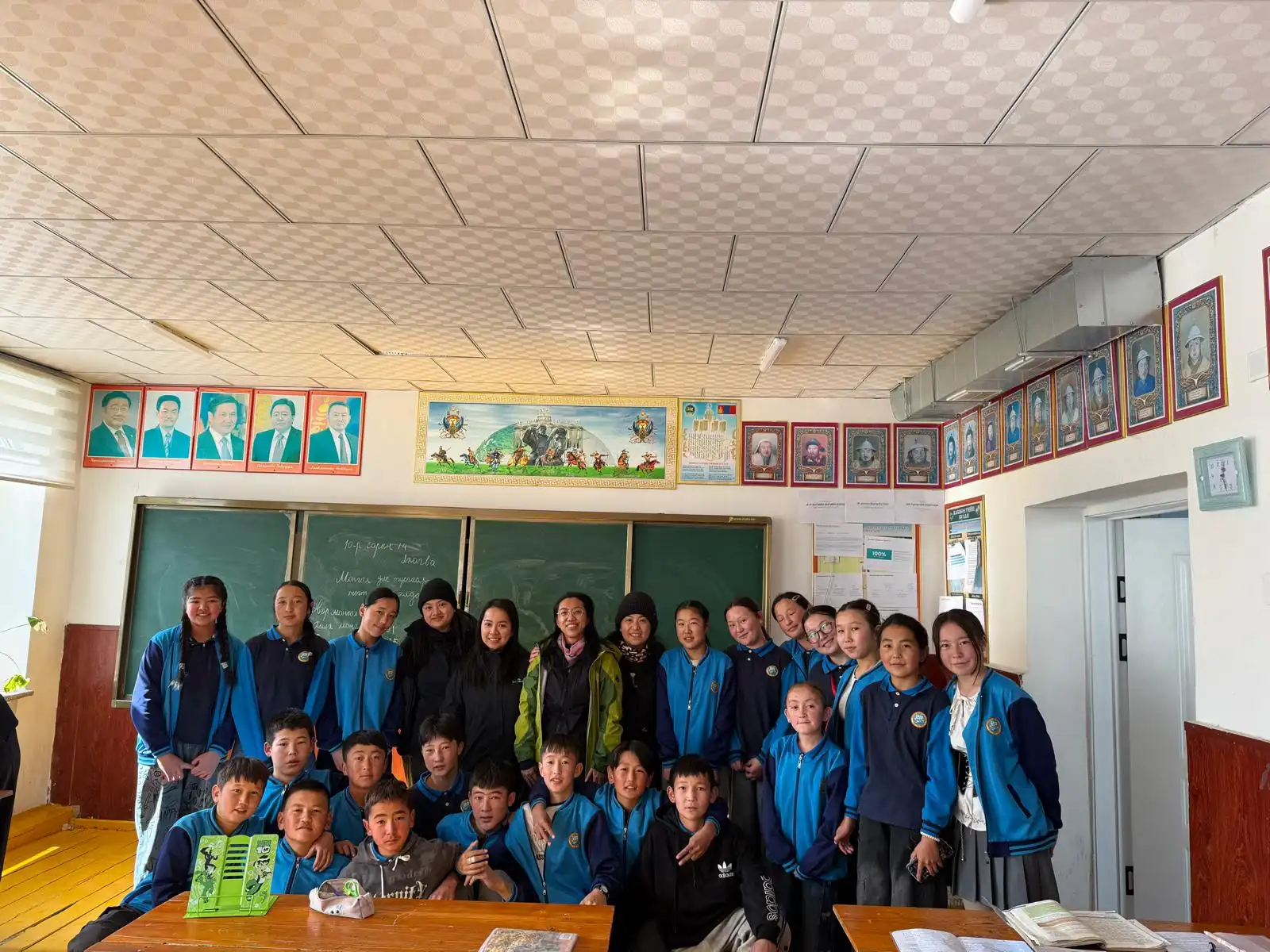
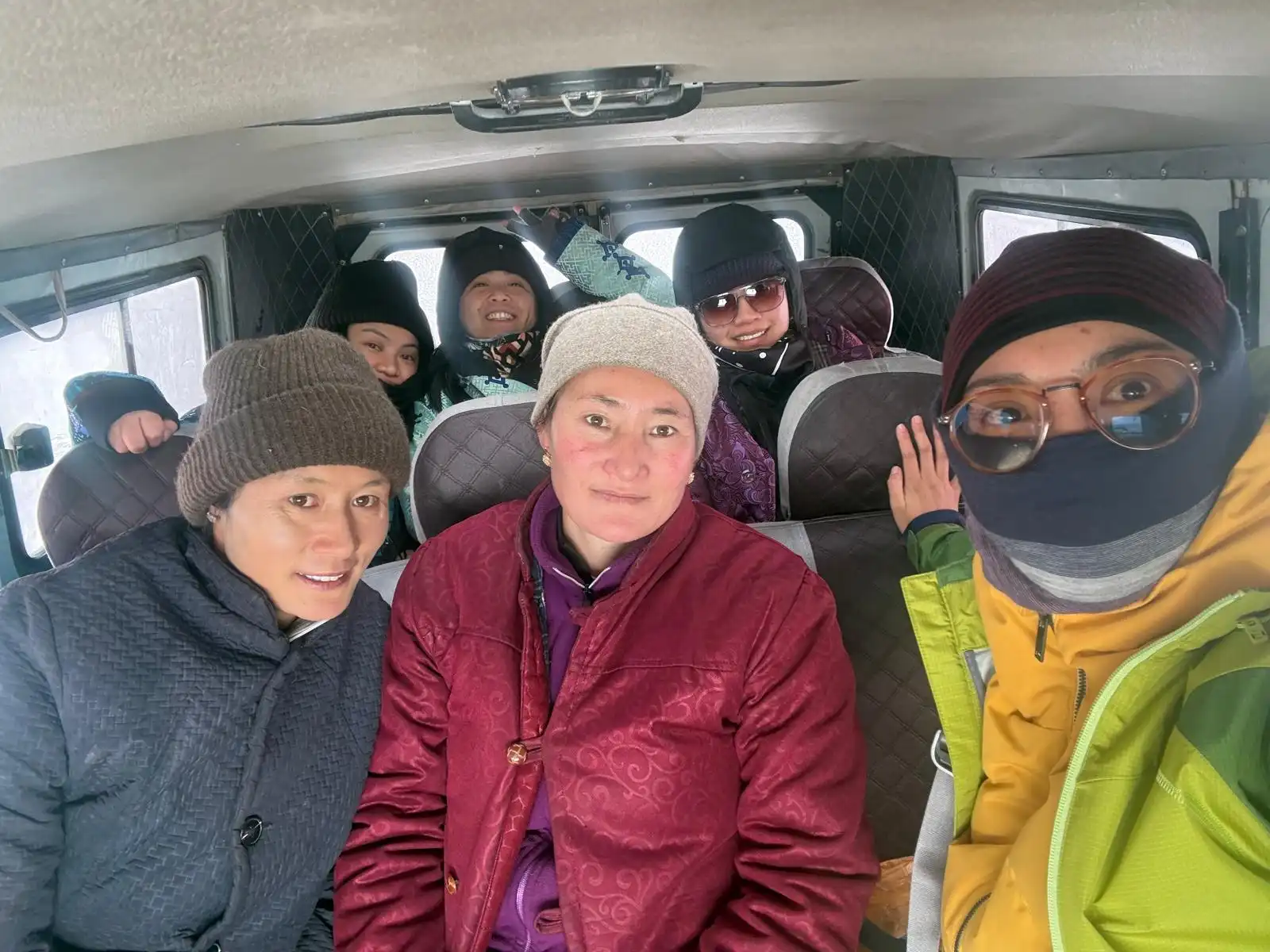
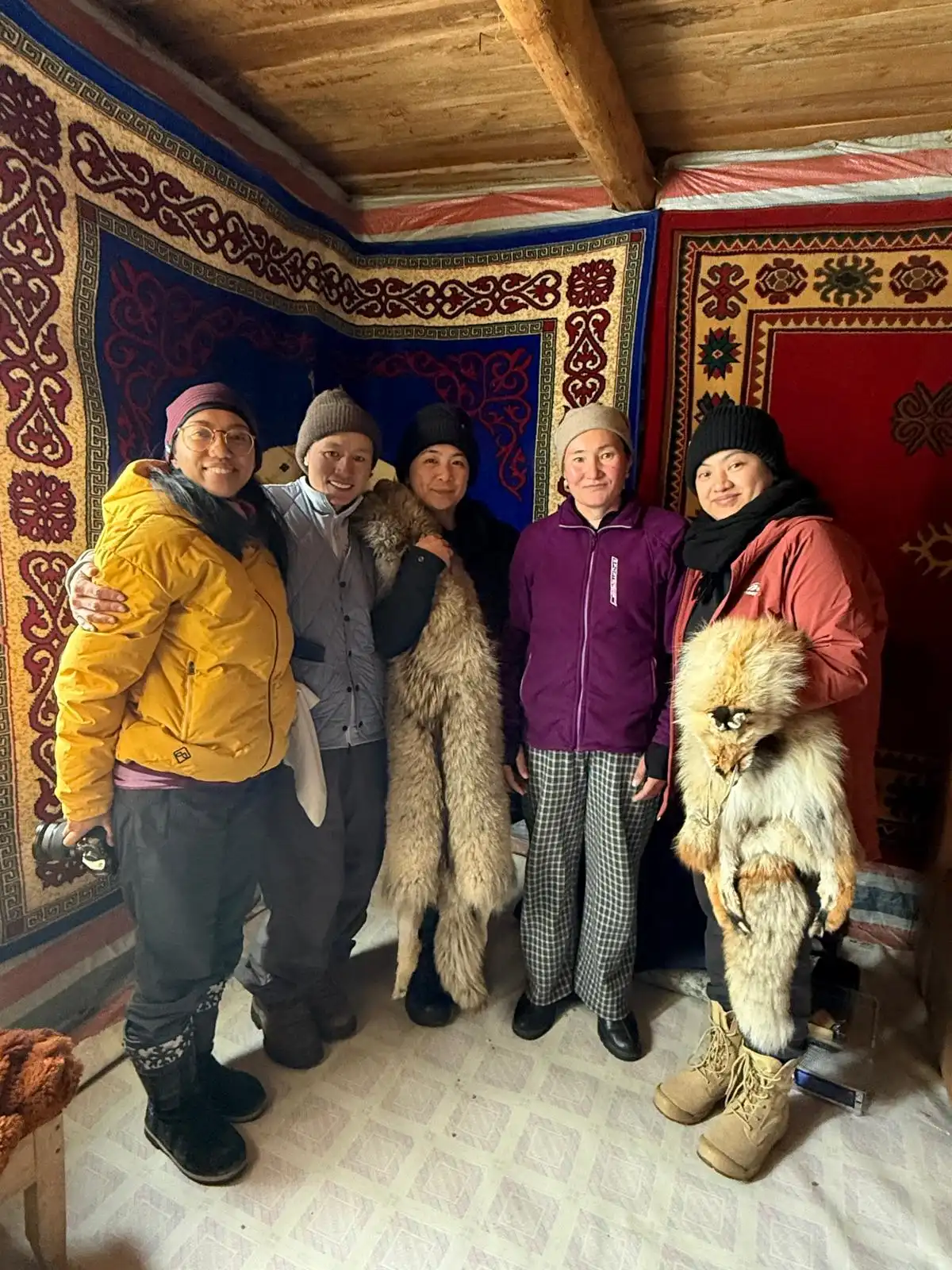
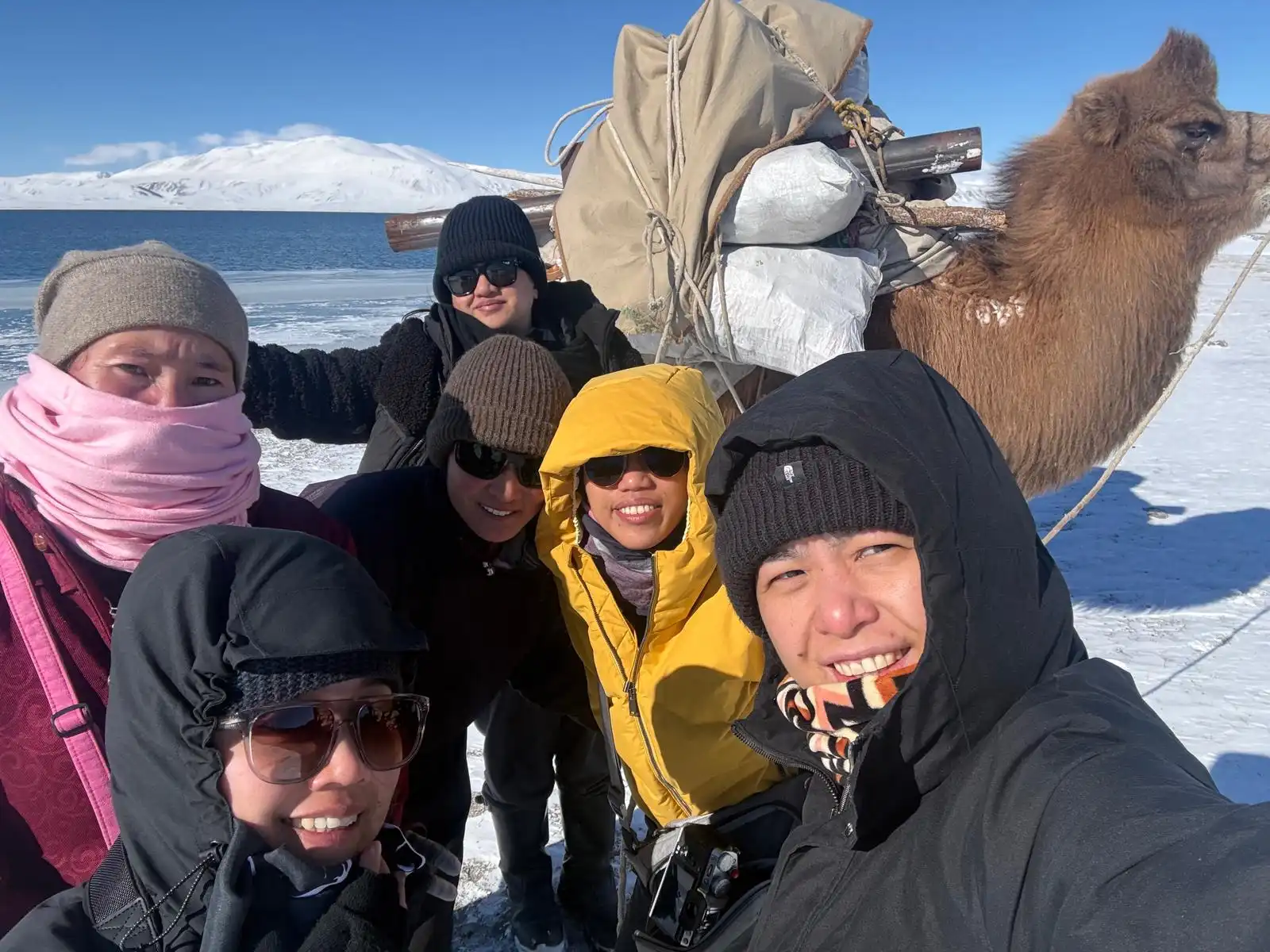
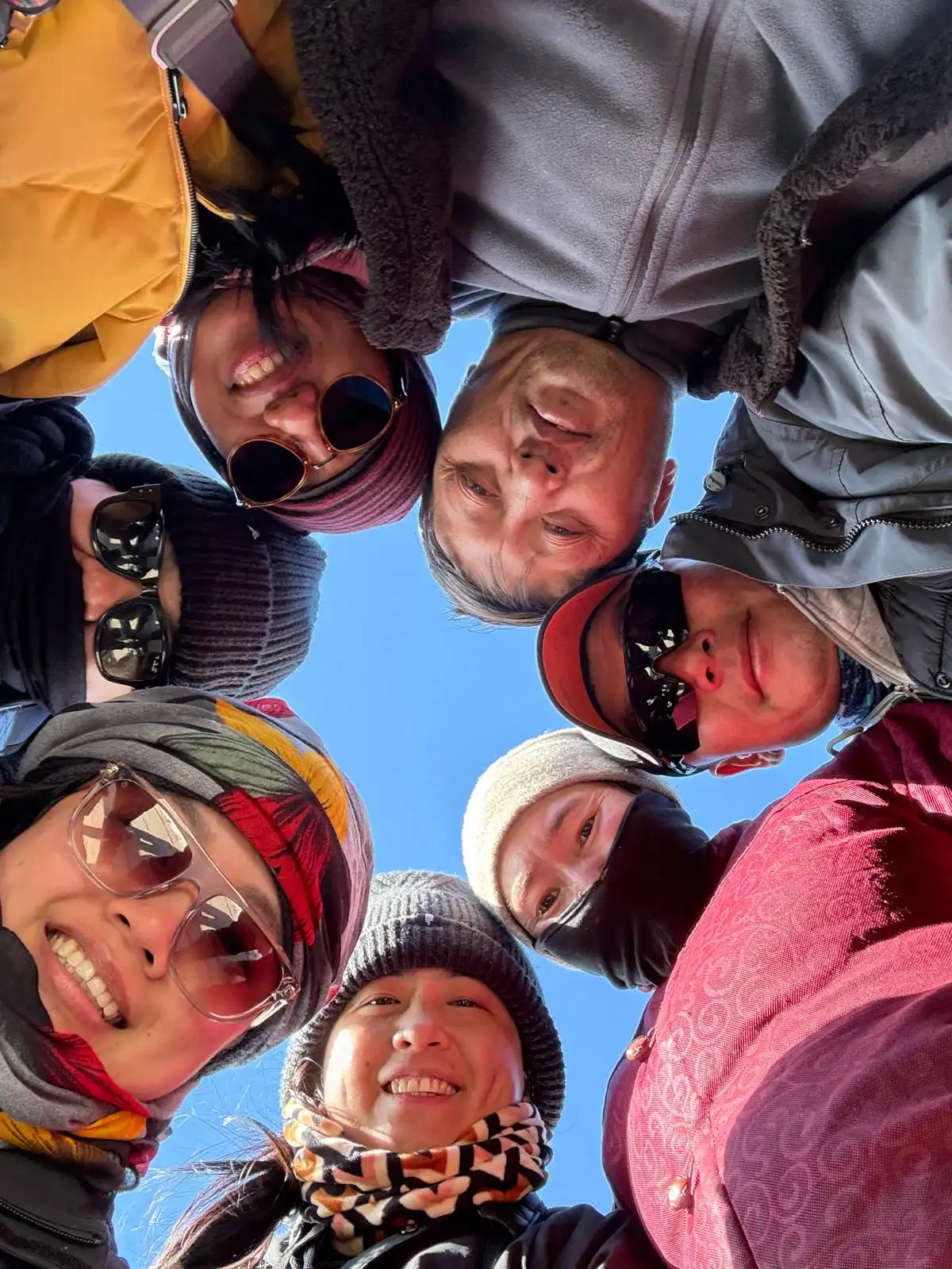
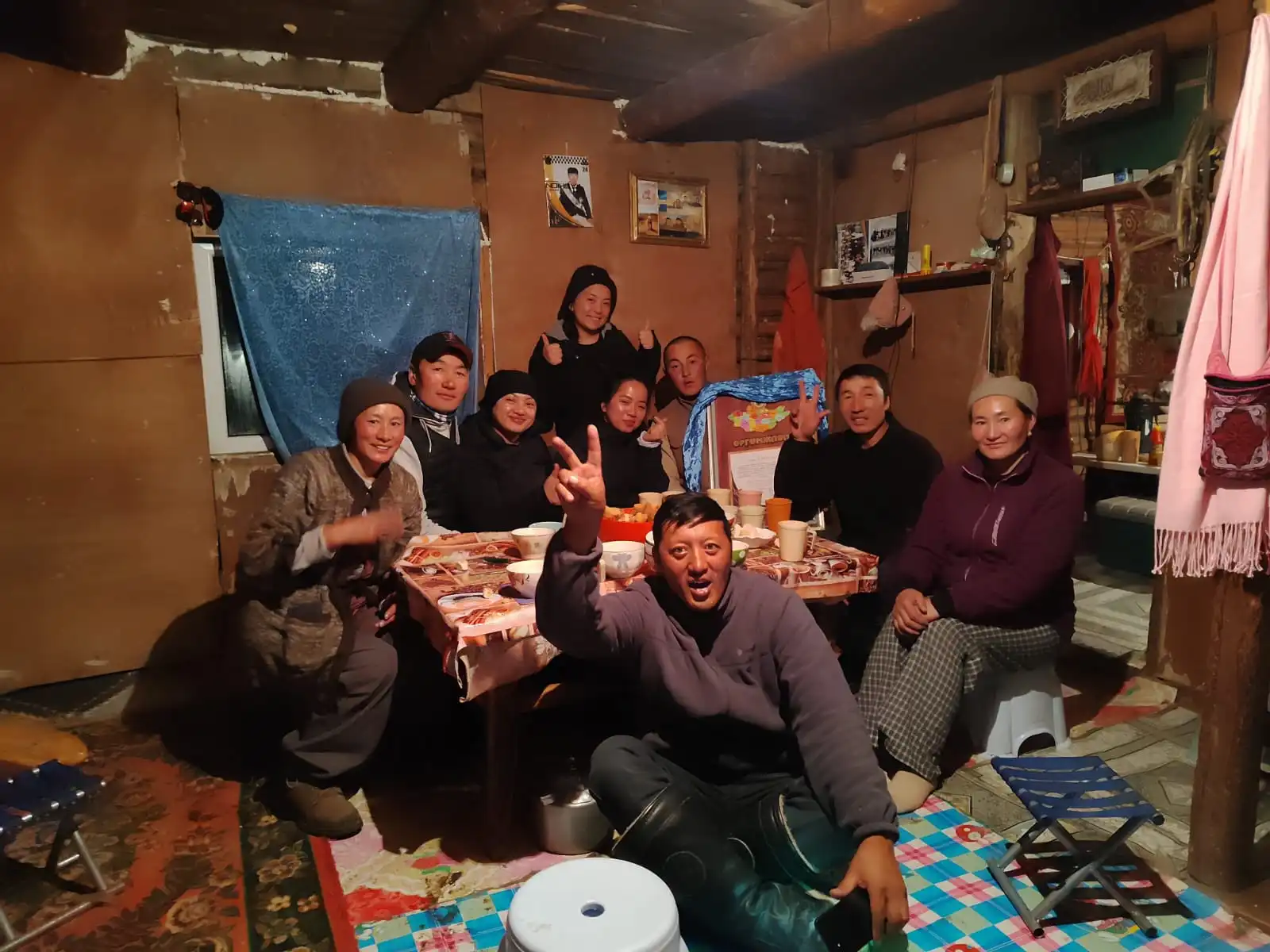
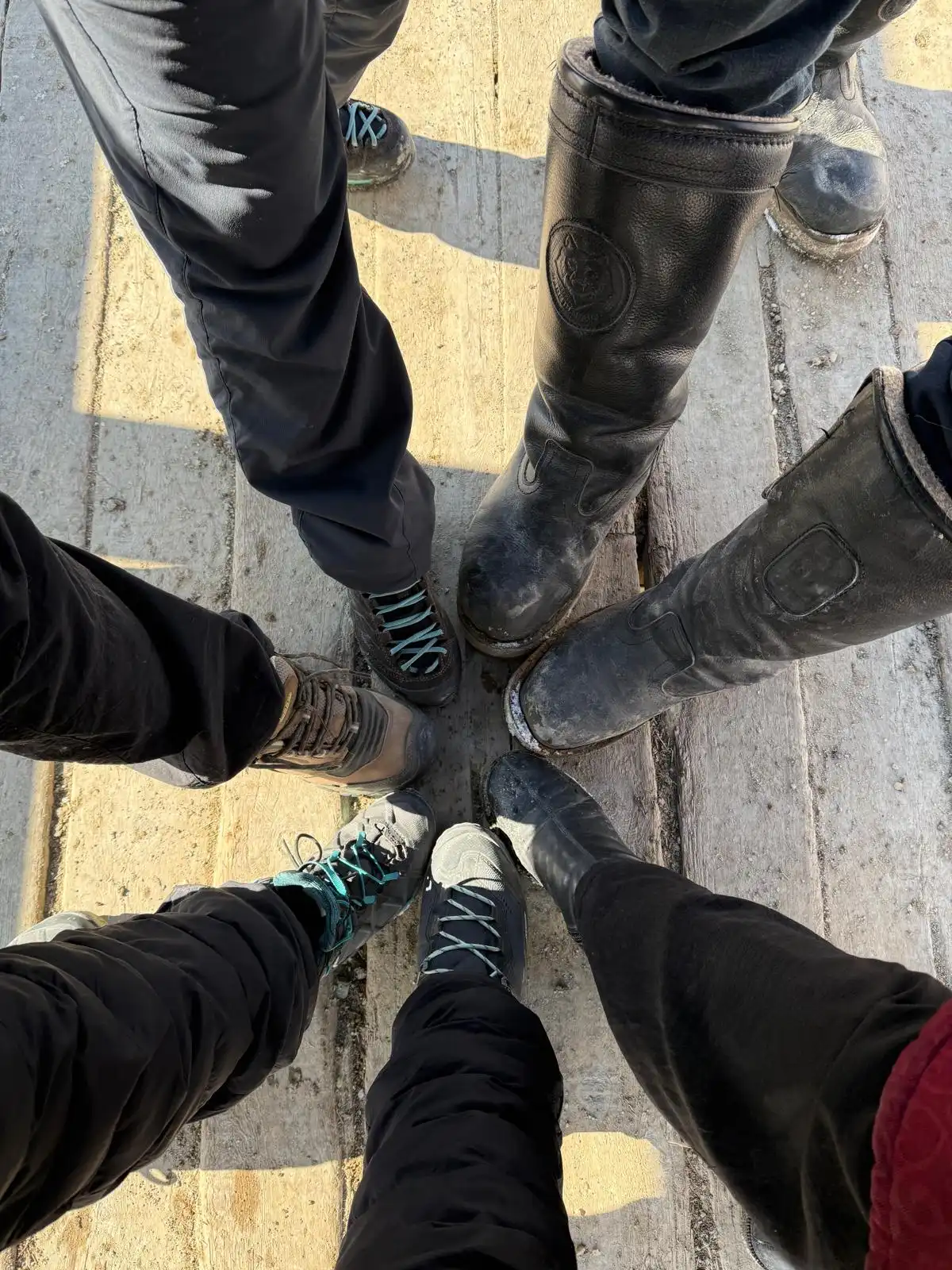
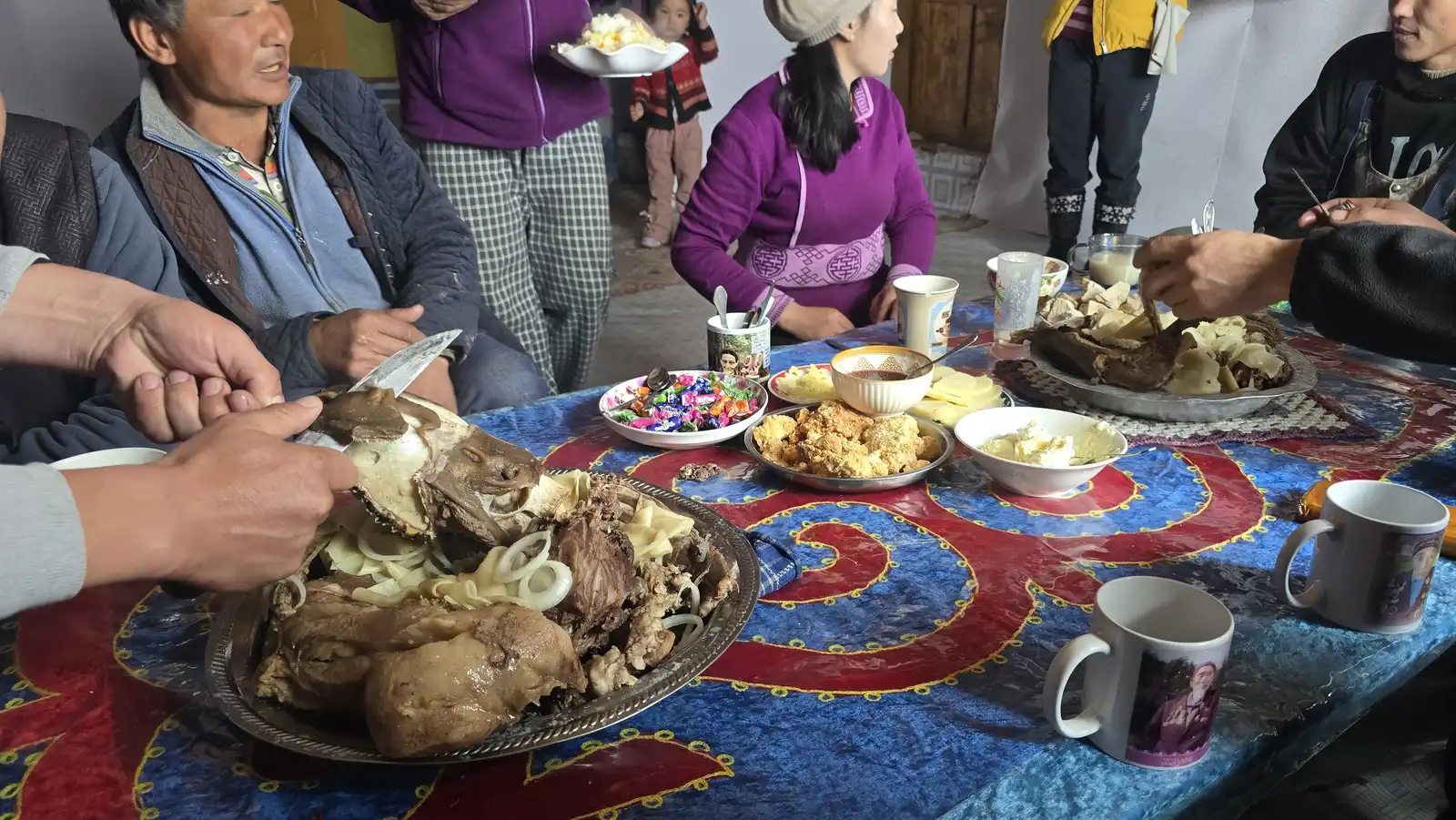
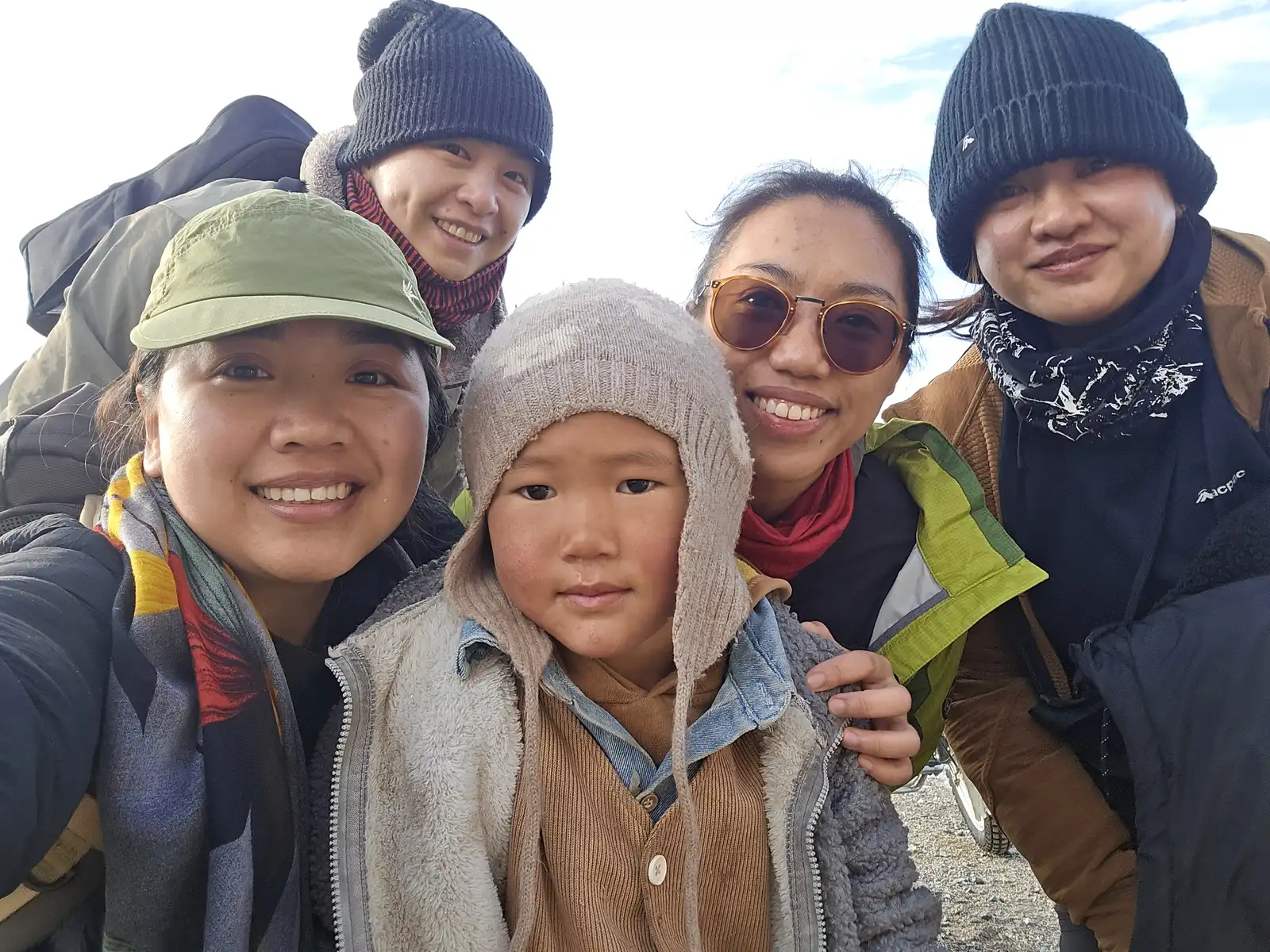
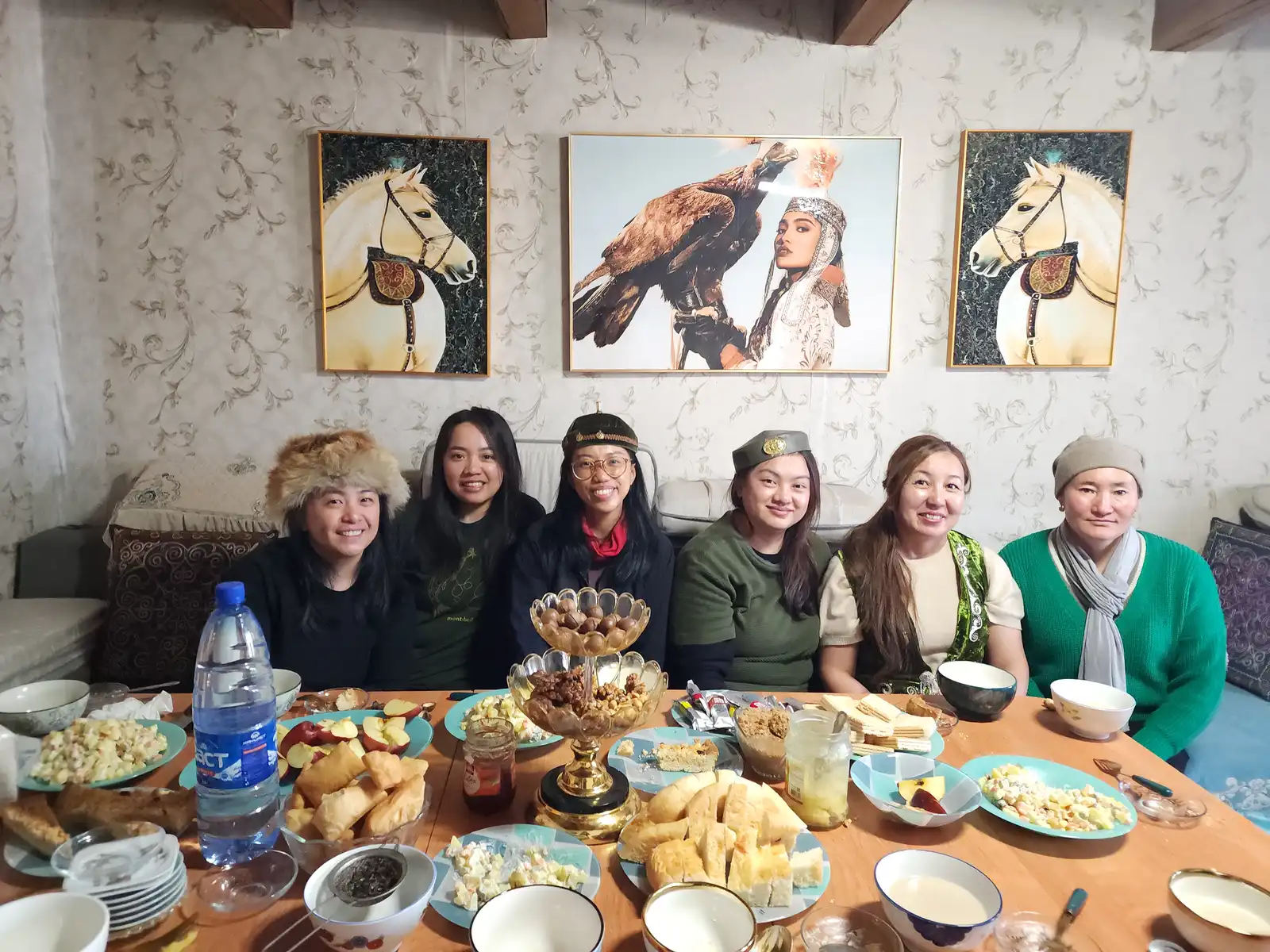
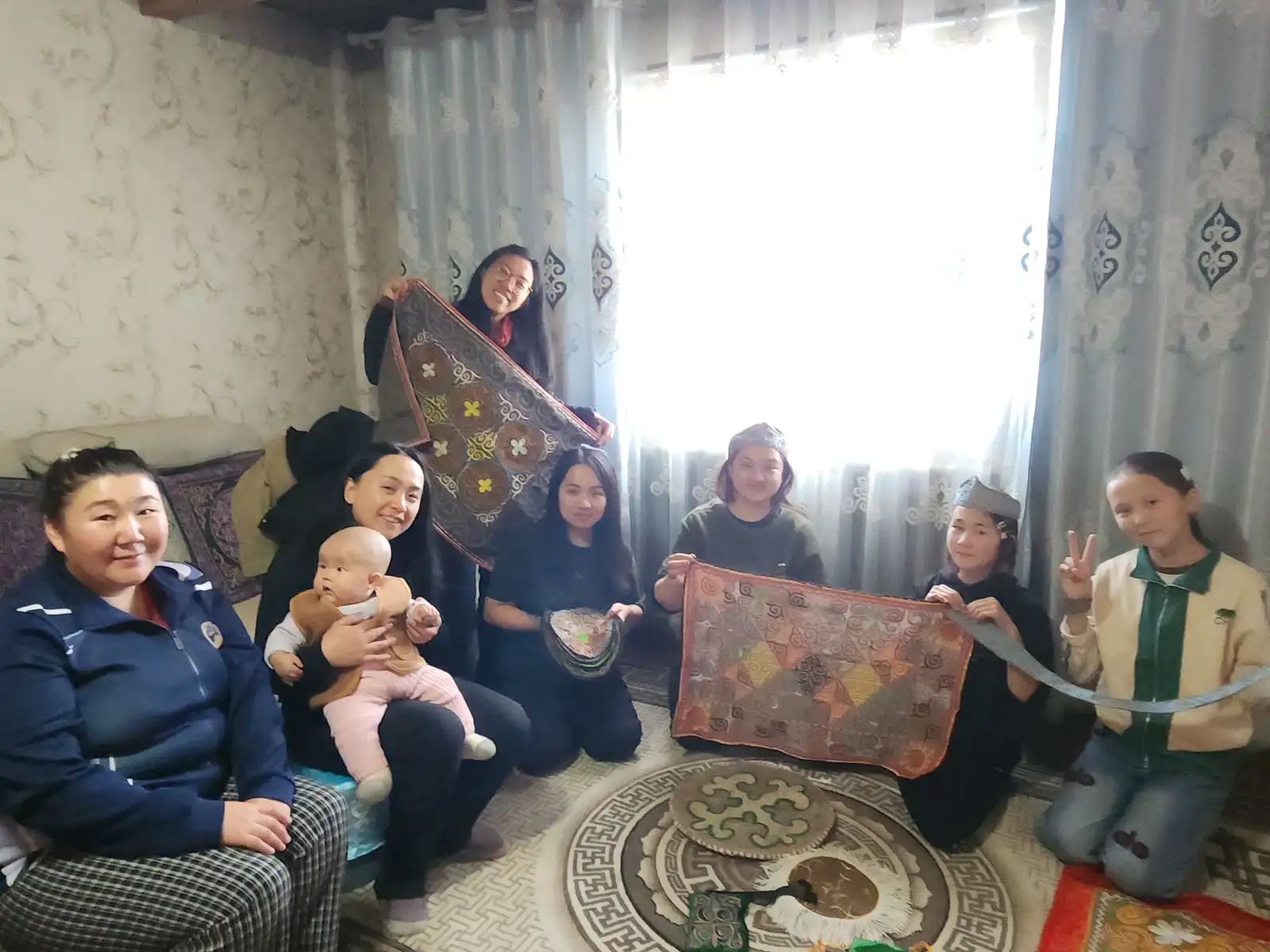
They found it. Not in a postcard view, but in the exhausting, cold, beautiful work of migration itself.
This is their story, and it is also the story of why the Altai Mountains remain one of the most authentic places left to travel in Central Asia.
A Lake Nearly Empty of People
The women traveled to Dayan Lake, deep in the Altai range near the Mongolia-China-Russia border region, hoping to meet the nomadic families who graze their herds along its shores each year.
By the time they arrived, the lake had gone quiet. Nearly every family had packed their gers, gathered their animals, and set off for lower, warmer ground. Only one household remained, finishing the last preparations before their own departure.
Instead of treating this as a disappointment, the four women leaned in.
Walking With Yaks Through Snow and Storm
For two full days, they joined the remaining family on the migration itself. They walked alongside yaks across the frozen landscape, helped herd animals through driving snow, and endured powerful mountain storms that tested even experienced travelers.
There was no luxury in this. No heated vehicle, no easy shortcuts. Just cold hands, steep trails, and the rhythm of a way of life that has moved through these mountains for centuries.
And they kept going. With courage, humor, and quiet determination, they became, for two days, part of a nomadic family's winter journey.
Frozen Waterfalls and the Silence of Khoton and Khurgan Lakes
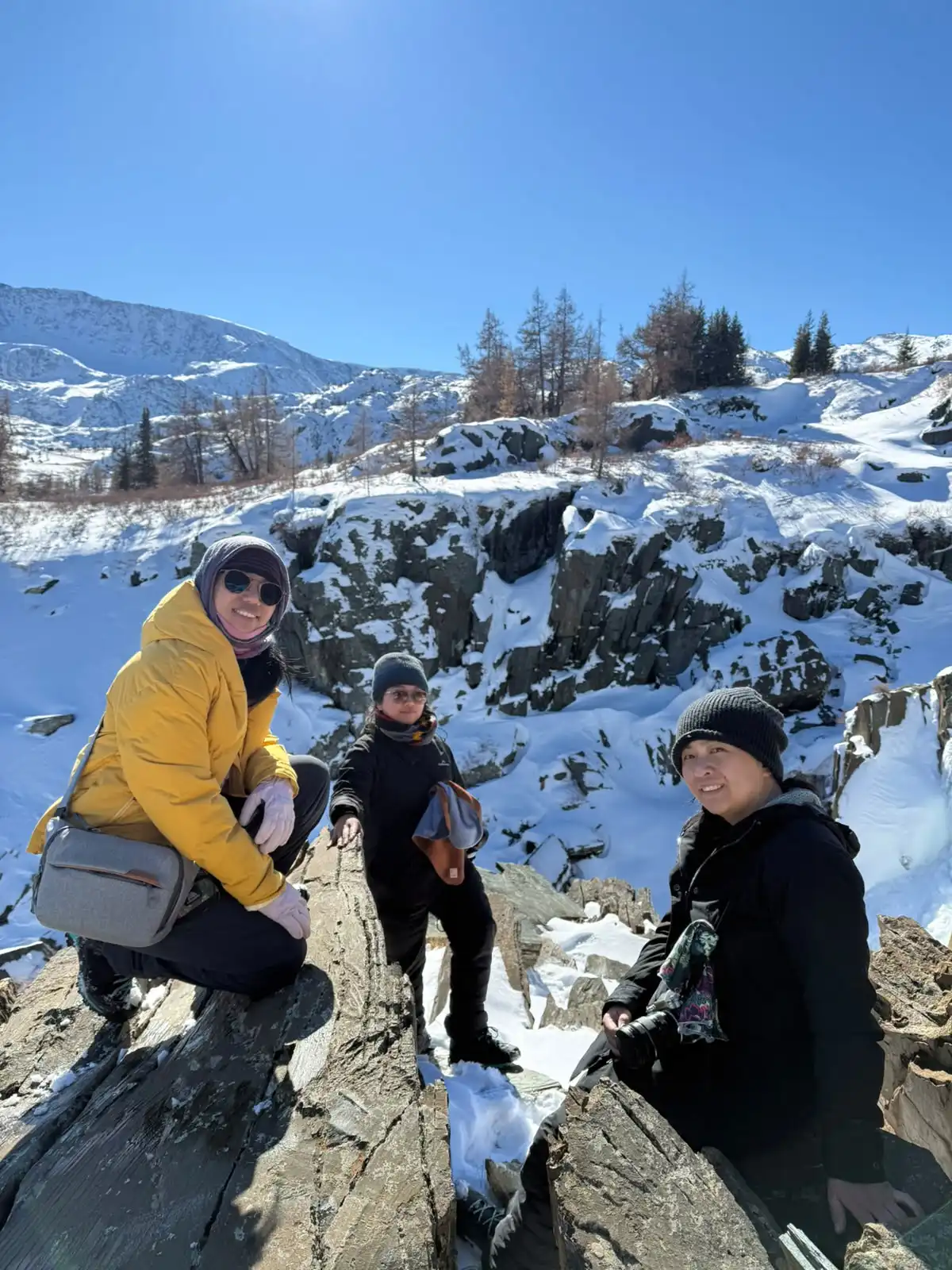
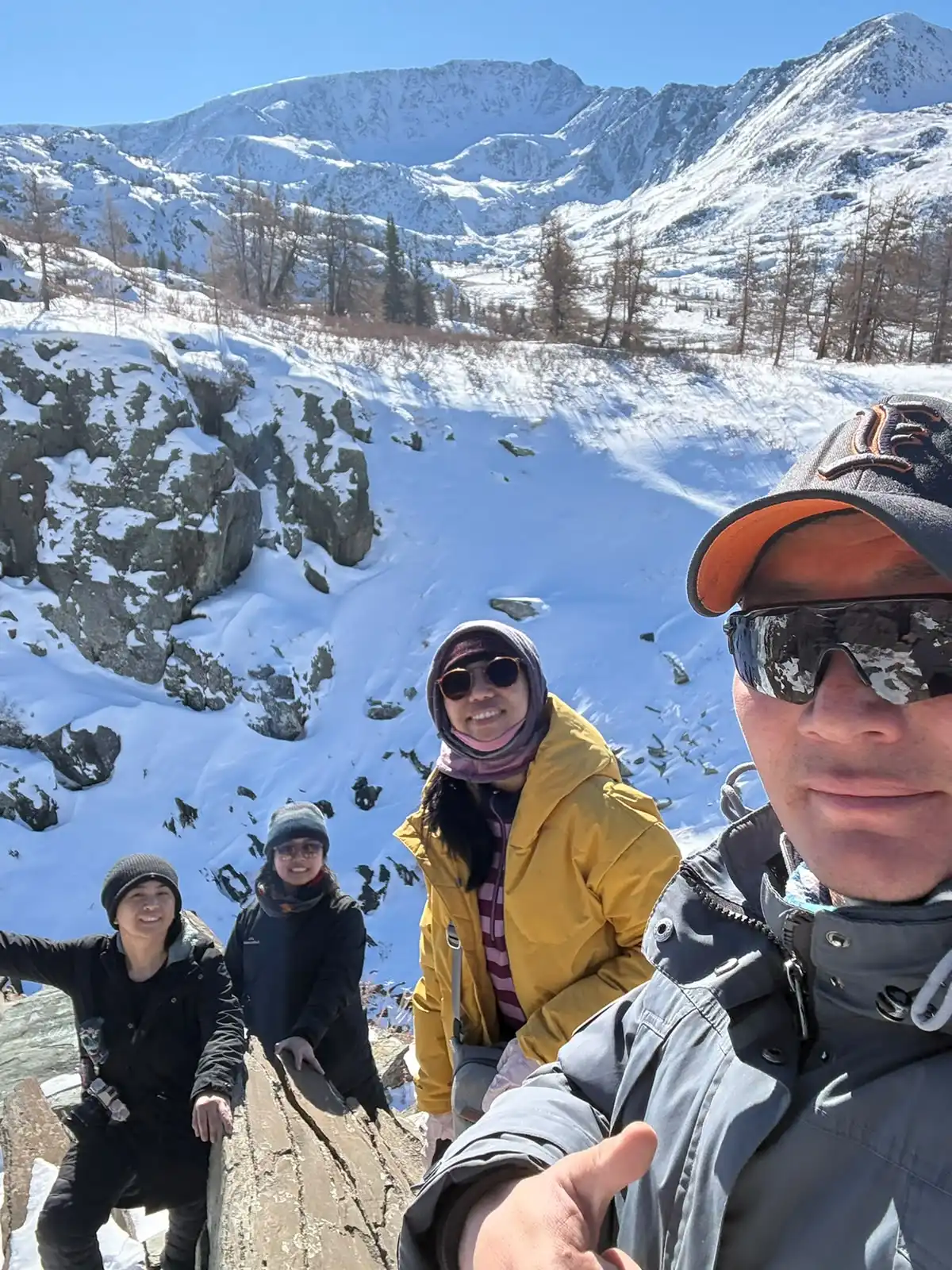
Between the hard work of migration, the group also explored the icy wonders around Khoton and Khurgan Lakes, two of the most dramatic alpine lakes in the Altai.
By October, frozen waterfalls hung like glass sculptures along the cliffs, and the valleys stretched out empty and silent, almost every other family having already moved on.
Traveling through a landscape so vast and so still is a rare experience. It is the Altai at its rawest, stripped of summer crowds and softened light, showing its true winter character.
More Than Travelers, Part of the Story
What made this journey extraordinary was not the frozen waterfalls or the dramatic peaks, though both were unforgettable. It was the human connection.
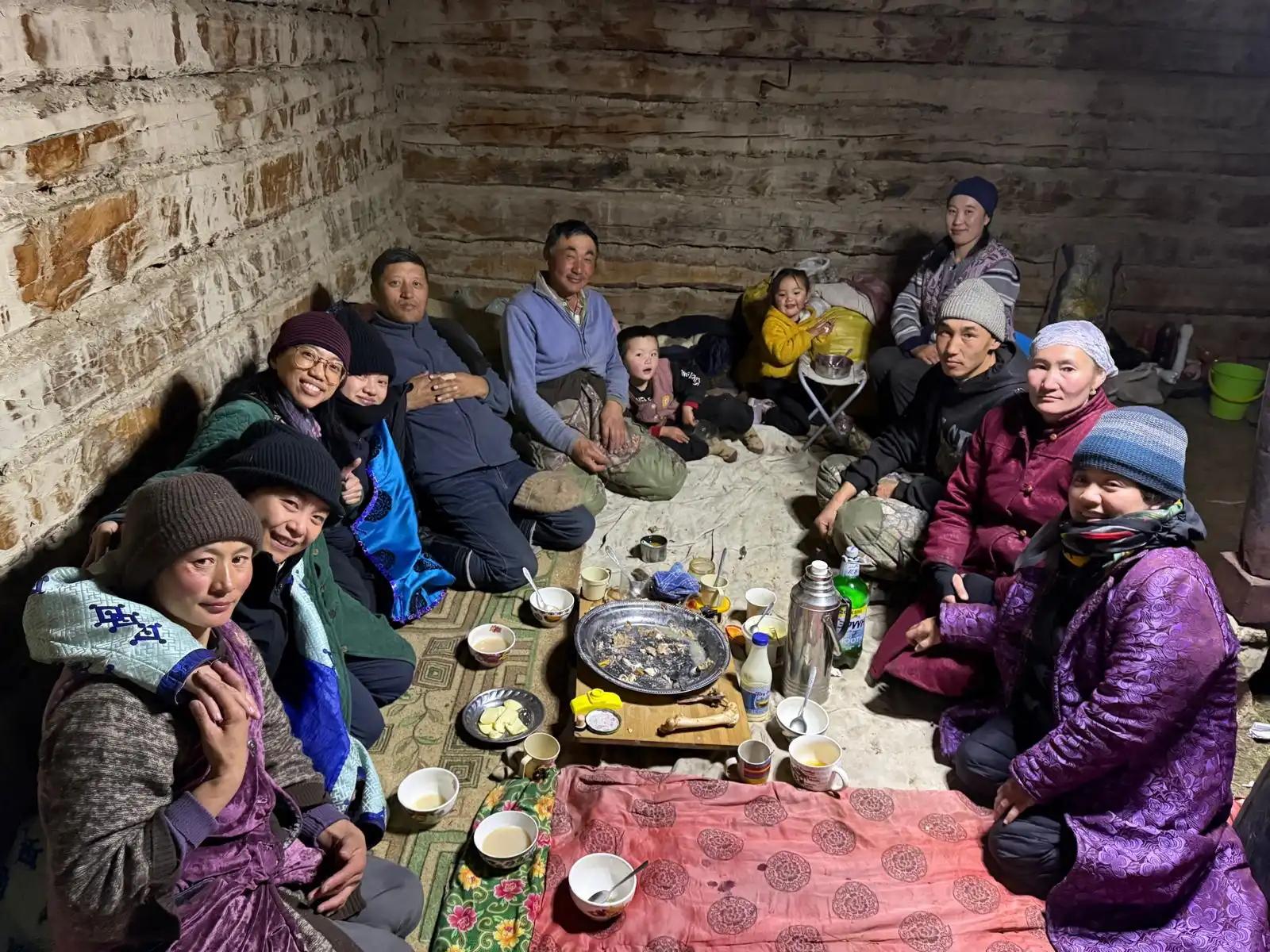
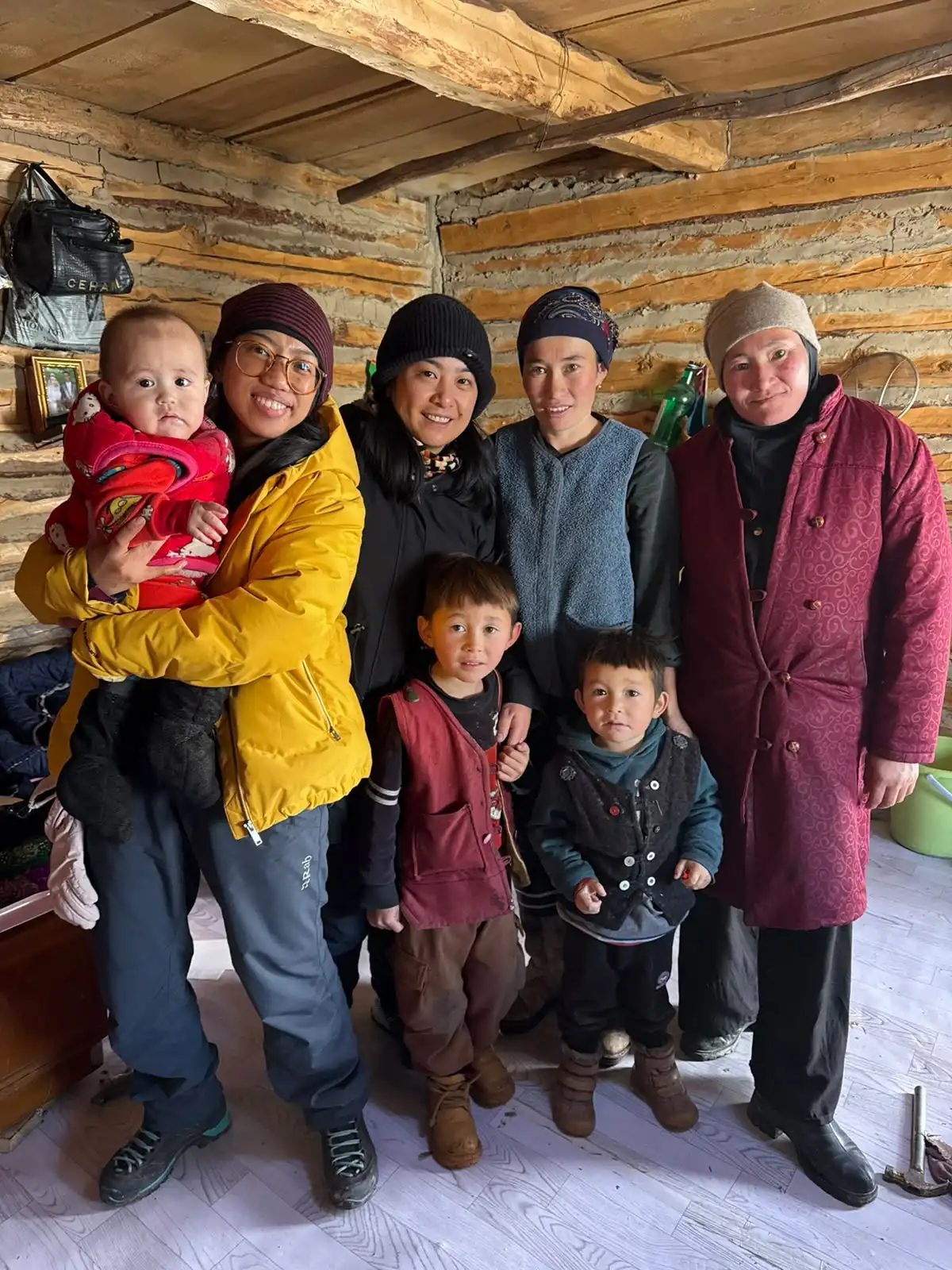
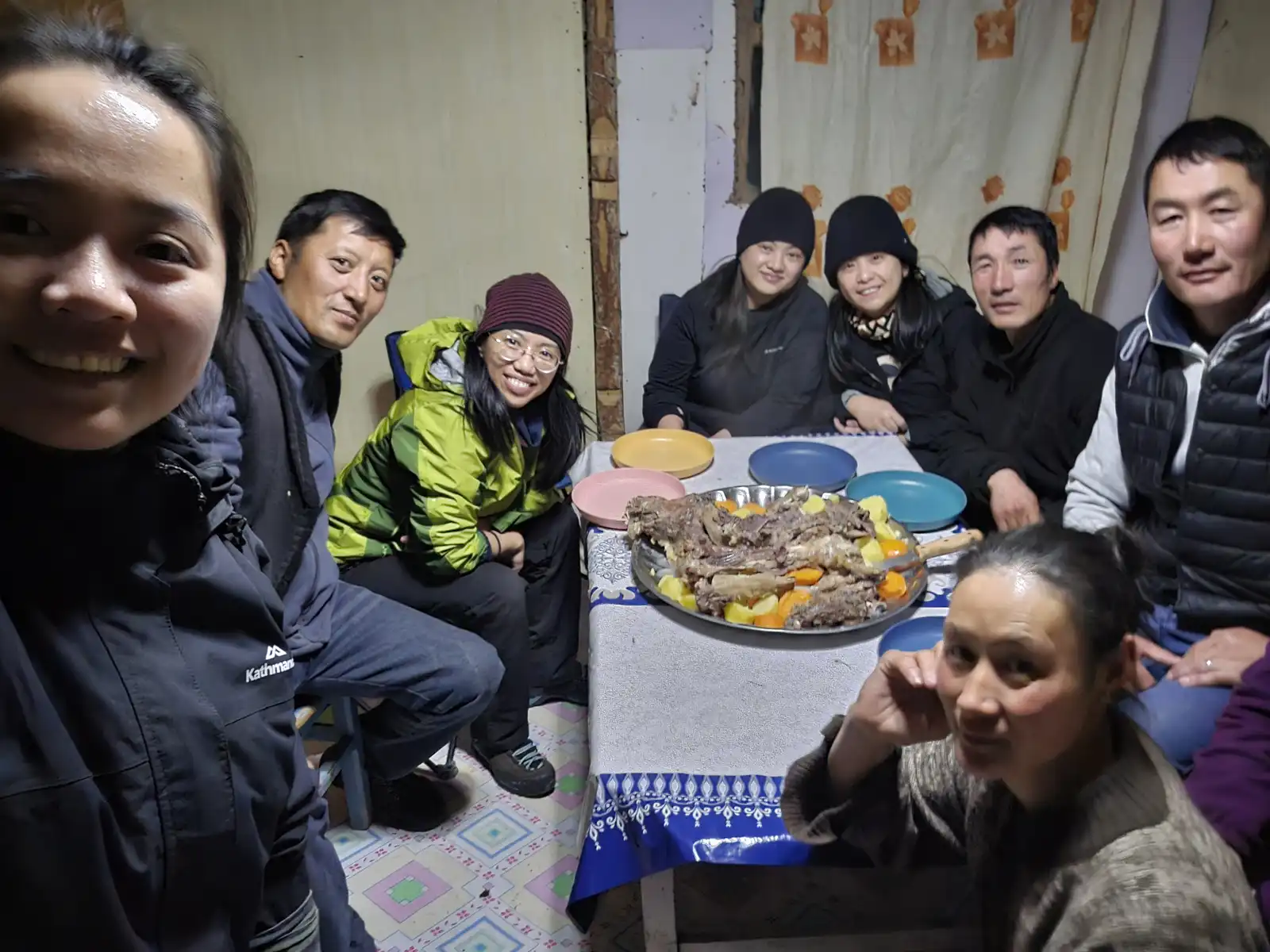
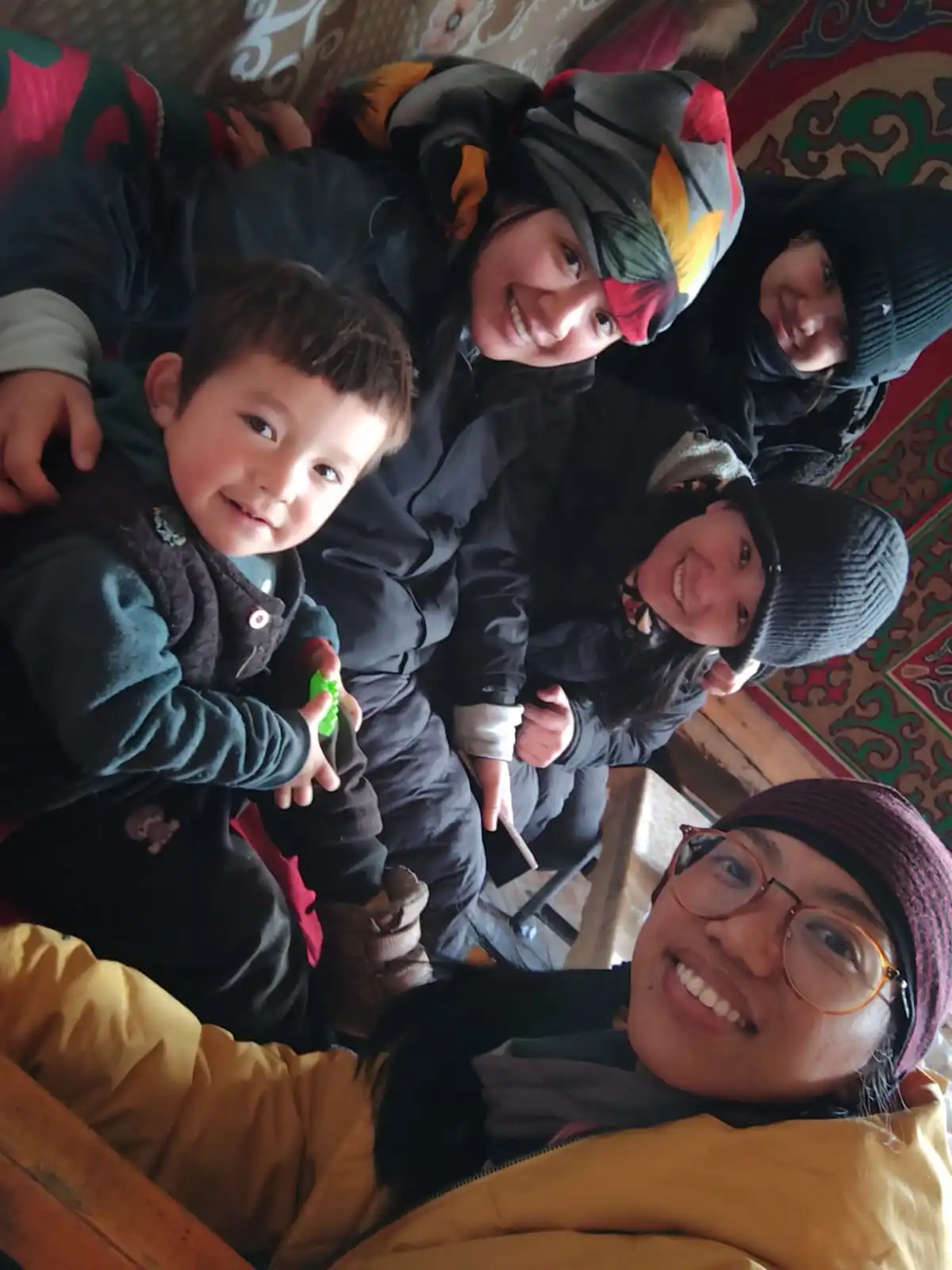
The four women shared meals, laughter, and hardship with the nomadic women they met. They offered encouragement during an exhausting migration. In return, they were welcomed not as tourists passing through, but as guests who had earned their place at the fire.
This is the heart of travel in the Altai. It is not only about ticking off beautiful landscapes. It is about kindness exchanged between strangers who, for a few days, become something closer to family.
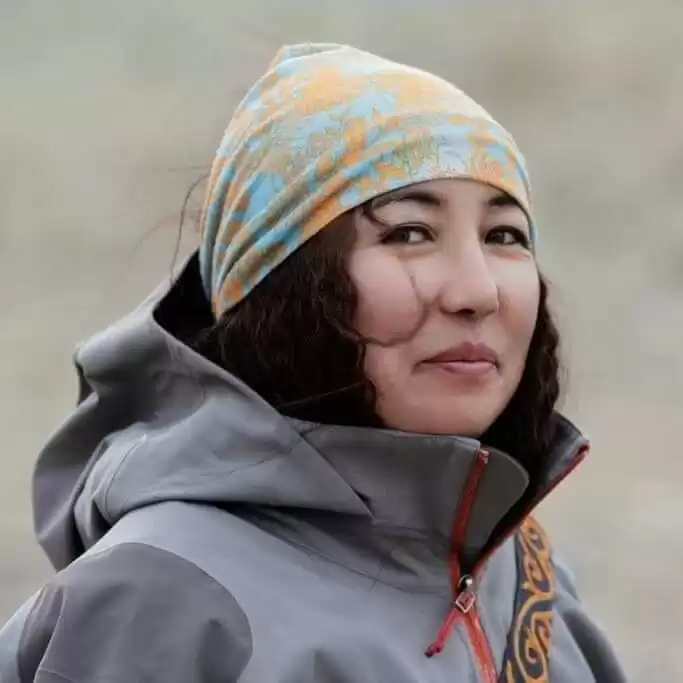
As a local guide from Sagsai, I was proud to help create this experience, alongside our most experienced driver, Saka, and guide, Bek, who supported the women through every snowy pass and river crossing.
Why the Altai Mountains Are Different
Western Mongolia does not attract travelers looking for comfort. It attracts those looking for truth.
- Remoteness: The Altai region sits far from Mongolia's tourist trail, bordering China and Russia, home to Kazakh nomadic communities rather than the more commonly visited central steppe.
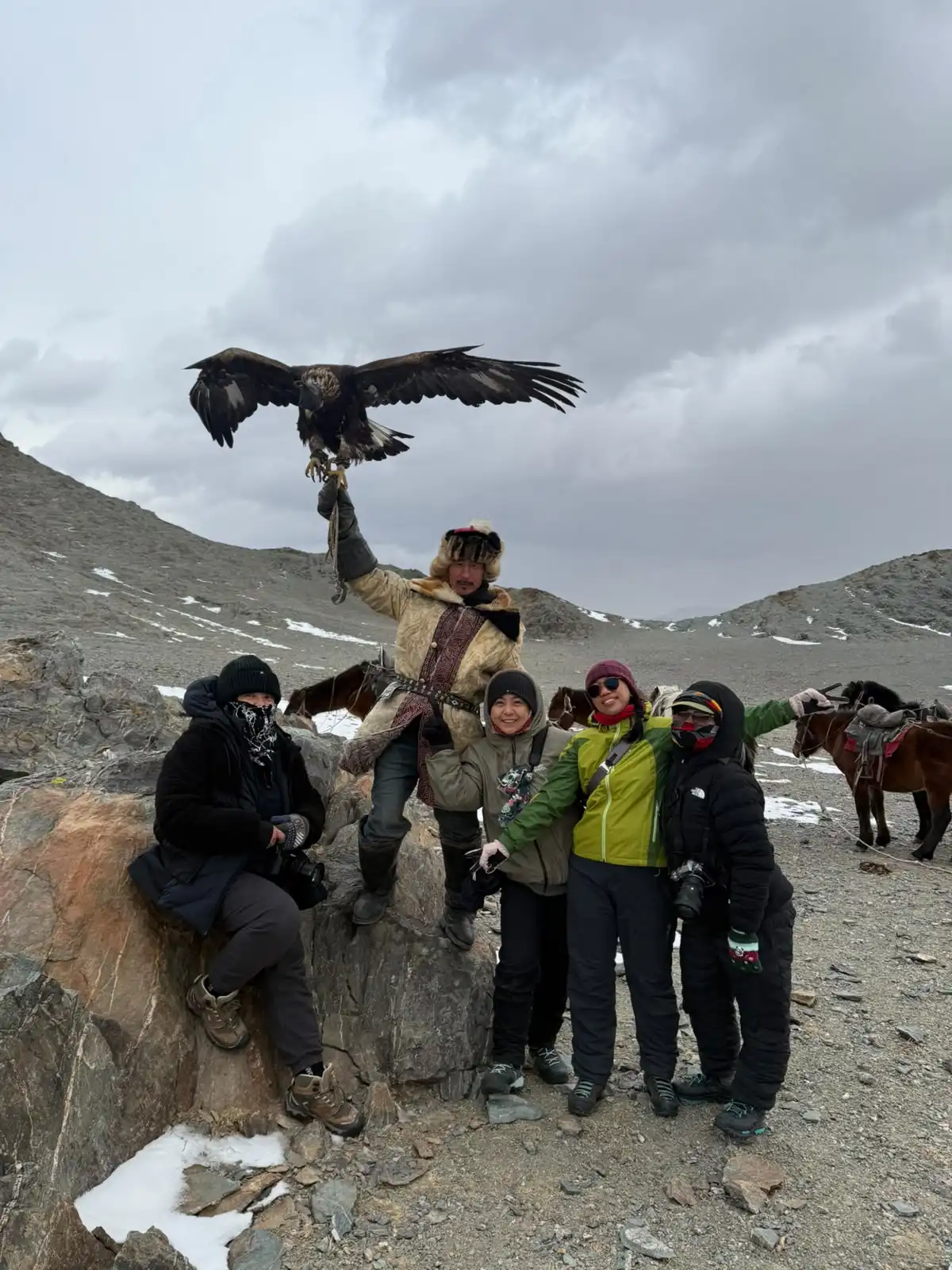
- Living culture: Eagle hunting traditions, seasonal migrations, and ger life continue here not as performances for visitors, but as genuine daily practice.
- Dramatic landscapes: Snow capped peaks, glacial lakes, and frozen waterfalls create a stark, cinematic beauty, especially in autumn and winter.
- Real connection: Because so few travelers venture here outside of summer, those who do often find themselves welcomed deeply into local life, as these four women were.
Their journey is proof that the most memorable travel experiences rarely come from watching. They come from participating, struggling a little, and showing up with an open heart.
Planning Your Visit
If their story has stirred something in you, here is what you need to know to experience the Altai Mountains for yourself.
- Best months: September, October, and February offer the most authentic seasonal experiences, from autumn migrations to deep winter stillness and eagle hunting season.
- What to expect: Weather can shift quickly in the mountains, with snow and strong winds possible even in early autumn. Come prepared physically and mentally for a real adventure, not a resort holiday.
- Getting there: The Altai region is accessed via Ulgii, the regional capital, reachable by domestic flight from Ulaanbaatar, followed by a multi-day journey by vehicle and on foot or horseback into the mountains.
- Who to travel with: Message me (Bakhitgul). Our team, led by driver Saka and guide Bek, specializes in connecting travelers with remaining families during migration season.
- What to bring: Warm layered clothing, waterproof boots, gloves, and a genuine willingness to help, hike, and sit quietly with people whose lives look very different from your own.
- Respect and reciprocity: Nomadic families are not attractions but hosts. Bring a spirit of humility, patience, and gratitude, and you will often receive far more than you expected in return.
Come to the Altai not simply to see it, but to become, even briefly, part of its story.
In mid October, when most of western Mongolia's nomadic families had already begun their long journey to winter pastures, four women travelers from the Philippines, flying in from Australia, arrived i
VIEW PROFILE →