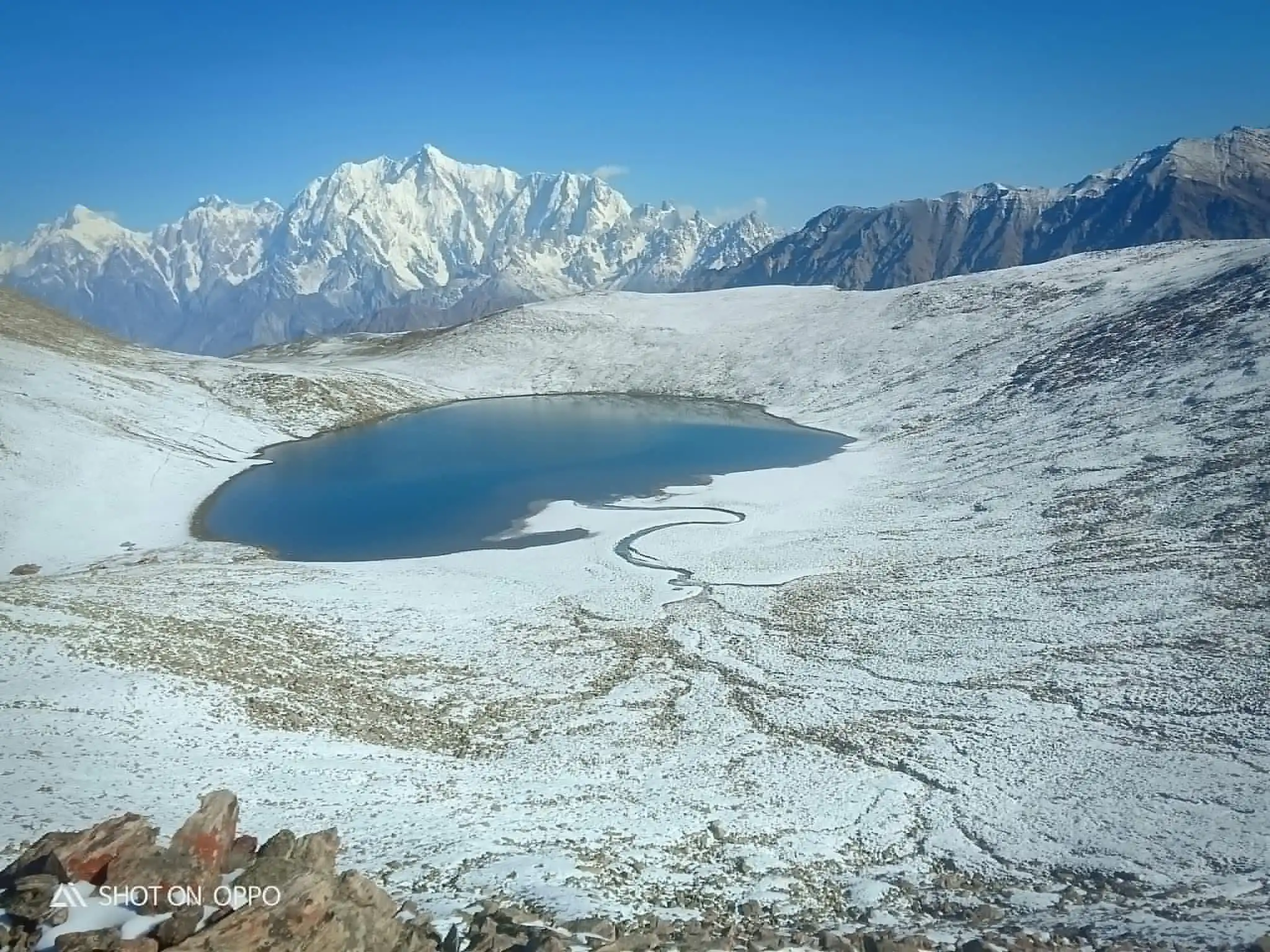
Journey To The World’s Highest Alpine Lake
About this tour
You will accompany with our moutain guide Mr Sherbaz ,Embark on a amazing trek from Islamabad to Gilgit via Naran and Kaghan valley. Drive northwards along the KKH into the breathtaking beautiful Nagar and Hunza Valley. Begin a short trek in Nagar from the picturesque village of Hopar, cross the Bualtar and Barpu glaciers, trekking through flower-strewn ablation valleys and grazing grounds to Rush Lake (4694 m).spectacular panorama of the peaks of the western Karakoram Marvel at the views of Spantik ×Phuparash Peak and Ultar Sar Click photos of the sunrise and the sunset at Duiker village ×Miar Peak ×Malubiting
Day-by-day itinerary
Day 1: Islamabad, Pakistan
Arrive in Islamabad. I am Sherbaz local and mountain guide and driver meet you at airport ,after short introduction transfer to your hotel for a rest before starting towards the north of Pakistan or same day drive to northside.
Day 2: Islamabad, Pakistan to Shangrila Chilas Hotel, Chilās
We travel on the Grand Trunk Road and onto the KKH at Hasanabdal. Passing fruit groves (lychee, orange, tobacco) and small crop fields before heading up to Abbottabad, a garrison city and hill station for escaping the summer heat. The winding path begins up to a high plain and down to snake along the Indus River towered over by mountains and foothills of the Himalayas. We pass through frontier-like towns of Besham and Dassu before Chilas.
Day 3: Chilās to Hunza Nagar
Driving to Gilgit, we stop at ancient rock carvings and the meeting point of the 3 highest and longest mountain ranges – the Karakorum stretching to China, the Himalaya crossing India/Nepal and the Hindu Khush crossing Afghanistan and central Asia. We visit the Karga Buddha and have lunch in the main bazaar of Gilgit. Drive and rejoin the Karakorum Highway. Enjoy local stops for delicacies and handicrafts before stopping at the collision point of continental plates and reaching Rakaposhi Viewpoint with views of Rakaposhi (Rakhaposhi Peak 7788 Meter High), the longest mountain in the world and in the Karakorum range. After tea with a view, it’s onto the Hunza valley where everything comes with a view. We visit historic Alit Fort and stop at our hotel for the night with excellent views over the Hunza Valley and the surrounding peaks.
Day 4: Hunza Nagar to Hoper Inn, Nagar Khas
Wake to see the sunrise over (Diran Peak) with breathtaking views of Golden Peak, Rakaposhi, Ultar 1, Ultar 2 and ladyfinger and down into Hunza Valley and to Nagar. We drive through the high fruit tree-dotted fields being readied for spring planting and cross the Hunza and Nagar River
Day 5: Hopar to ;Baricho kore camp trekking
Elevation: 4400m Drive an hour to Hopar valley. Approximate walk 6/7 hours and Elevation 3300m. Today in the morning we begin our first-day trek to Baricho Kore. Once we leave Hopar valley, there is no reliable water until Bericho Kore camp. We will carry water and start early to avoid the midday heat. From Hopar, we descend 2790m steeply to the edge of the Bualtar glacier. We will cross the Barpu glacier and reach Barpugiram in the ablation valley the first Hut. Barpu Giram's water source is snowmelt unreliable after May. Here, two trails going uphill. We will take the path straight east-south side and ablation valley is narrow and larger juniper and wild roses appear. One hour from Barpurgram, reach the huts and pasture of Mulharai where Tamarisk offer shade. Just beyond is the grassy campsite of Baricho Kore where a porter shelter hugs a boulder 5km from Taigai Phari. What is the meaning of Baricho Kore? Baricho is musicians and Kore means cave. A trickle of water runs through the campsite. But it is a larger source above camp. As we arrive here, pitch our tents and prepare for delicious dinner at an elevation of 3300m high grassland. Rest at camp. Eat, drink, and wash the spring clean water.
Day 6: Barichio Kore to 'chidine Harai trek
Today, we get up in the morning and make our breakfast with some eggs and paratha with milk tea. After breakfast, we climb up on a zigzag juniper high pasture trail, it is relentlessly steep, hot and dry with no water until Chidin Harai camp, so we carry much water to drink for the day hike. Start early to reach the top before the sun. We climb the ridge ¾ hours through sage, thyme and scattered juniper to the ridge top marked by cairn 4050m. The trail from Gutten also joins here. The icy Miar glacier below snowy Phufarash and Diran dominates the views west at this location. We will continue southeast up the grassy ridge for one hour to Chidin Hara Camping flower-filled place. Chidin Harai has a goat pen a few shepherd's huts and grassy areas. Year-round water flows above the hut. What is Chidin Harai? Chidin means Cooking pot and Haria means Shepherded House or pasture. Enjoy the late afternoon light - a perfect camp from which you enjoy sunset and sunrise on the imposing Hisper Muztagh to the northeast. This wall of 7000m Momhil Sar 7343m Trivor 7728m Mulunguuti Sar 7025m and Disteghil Sar 7885m peaks are dominated by this Chindin Harai campsite. It is very famous for mountains panoramas. Well you will enjoy the more views from this part which will be guide Mr Sherbaz.
Day 7: chidine hari to Hoper Natural Jewels, Nagar Khas
Today after breakfast, we start our head to Rush Lake's left side rocky slope above the water source. Towards the top of the slope, before it makes a pronounced bend to the left, cross right to avoid Talus and reach a Barpu glacier overlook one hour above Chidin Harai. We will turn southeast across the Talus. Cross a low rise and reach Ruhs Phari 4690m. The less windy campsite along the lake. Enjoy the view of Mair glacier Spantik Diran, Phurfarash and two unclimbed peaks are behind Rush peak. Reach the campsite area and pitch the tents. Take lunch here. After lunch, we climb towards Rush peak. We climb the south side of Rush Lake's flowered slopes for one hour to a hilltop with a cairn and several tents plat. It is called Rush peak 5190m. From the cairn, follow the northern ridge, then ascend easy 2nd class talus to the summit also marked by a cairn. K2, a dramatically more significant Broad peak and Gasherbrum IV are visible here, and Baintha Barak is nowhere else in the Karakoram. Can you get such a magnificent mountain view on such a short trek? So you never miss the lovely trek. This trek has been done several time by Mr Sherbaz local and Mountain guide, as you could see in the photo gallery.
Day 8: rush lake to Hamdar trek
After breakfast, Mr Sherbaz your guide and team close the camp and trek to Phahi Phari camp. (5 to 6 hours walk) The descent of 1250m to Phahi Phari in 4.5 km is steep from the stone shelter and cairn along the lake. An obvious gully descends towards the Barpu glacier. The route stays right of the gully traversing talus then descending juniper and grassy slopes and more steeply over steppes views of Sumaya Bar and Miar glacier and Mulubaiting and Phupharash peaks are awesome. Phai Phari is reliable with enough water and a perfect place to stay in the shadow of willows. Cross wide white ice of the Miar glacier to Miar settlement at the juncture of the Miar and Barpu glaciers. Follow the trail along the southeast with Mr Sherbaz Local and mountain guide margin of the Barpu glacier from Miar to Hamdar reaching Hamdar in about 2 hours. Miar Peak (6824meter): is known as Male glacier-white as milk. Camp at Hamdar meadows. Shepherds offer ibex milk and see the butter making natural processing system. Approximate walking distanced around the bond fire with the sound of wooden crapping.
Day 9: hamdar to to hoper trek
After breakfast early in the morning, Mr Sherbaz guide and his team start walking towards Happakun. Reach Happakun and from Happakun the trails pass through upper Shishkin before dropping to Lower Shaishkin at the edge of the Bualtar glacier. Cross the trickily Baultar glacier and return to Hopar valley. Overnight stay at the hotel
Day 10: Hoper valley Nagar to Gappa Meadows
Start an outbound journey from Hopar valley. Head to Gappa Meadows to enjoy the stunning views of lofty peaks Rakaposhi and Diran. Walk to Gapa glaciers and enjoy the high pasture. Evening drive back to Gilgit.
Day 11: Gilgit city to Naran Valley, Naran, Pakistan
Hunza – Gilgit Narran via Karakorum highway. Taking in the spectacular scenic view of mountains and Indus valley, we stop at more ancient rock carvings and take advantage of natural viewpoints and waterfalls. En route visit Luslusar Lake.
Day 12: Naran Valley, Naran, Pakistan to Islamabad, Pakistan
Location: Nagar Valley, Gilgit‑Baltistan, North Pakistan Altitude: Rush Lake at 4,690 m (15,387 ft) one of the world’s highest alpine lakes Route: Islamabad → Naran/Kaghan → Gilgit → Hopar Village (Nagar) → Rush Lake Duration: 7–12 days including travel, acclimatization, and trekking Difficulty: Moderate to challenging – glacier crossings and steep ascents Highlights Trekking across Bualtar and Barpu glaciers Panoramic views of Spantik, Phuparash Peak, Ultar Sar, Miar Peak, Malubiting Sunrise and sunset photography opportunities in Hunza and Nagar valleys Cultural immersion in Hopar Village, known for hospitality Trekking Conditions Terrain: Glaciers, rocky paths, alpine meadows, steep ridges Best Season: June to September (summer and early autumn) Weather: Warm days, freezing nights at high altitude Altitude Awareness: At nearly 4,700 m, acclimatization is essential to avoid altitude sickness Essentials to Pack Warm layered clothing (thermal base, fleece, down jacket) Waterproof jacket and sturdy trekking boots Sunglasses, sunscreen, hat (UV exposure is strong) Sleeping bag rated for sub‑zero temperatures Trekking poles for glacier crossings Personal medicines and a first‑aid kit Culture & Local Experience Respect local customs; ask before photographing people Support local guides and porters – crucial for safe glacier crossings Meals are simple but hearty, often local Hunza and Nagar cuisine Accommodation: rustic lodges or camping during trek Connectivity & Logistics Limited mobile coverage beyond Gilgit Transport usually by private car/jeep along Karakoram Highway Trekking supplies, tents, and gear are typically provided by local guide Mr Sherbaz Key Advice Acclimatize properly: Spend time in Hunza/Nagar before pushing to Rush Lake Travel insurance: Ensure coverage for high‑altitude trekking Physical preparation: Train for endurance and steep climbs Local guide: Essential for navigation and cultural connection , Mr. Sherbaz is a local mountain guide for the Rush Phari and Rush Peak Trek in Hoper Valley, Nagar District. Why this matters for your journey: Local expertise: Sherbaz is from the region, so he knows the glaciers, safe paths, and cultural nuances of Nagar Valley. Safety: Glacier crossings (Bualtar and Barpu) require experienced guidance; a local guide like Sherbaz ensures safer navigation. Community connection: Hiring a local guide supports the village economy and gives you authentic insights into Hunza/Nagar traditions. Logistics: Guides typically arrange porters, camping gear, and food supplies, making the trek smoother. Yes, Mr. Sherbaz is the local mountain guide associated with the Rush Phari and Rush Peak Trek in Hoper Valley, Nagar. Guide Details Name: Mr. Sherbaz Role: Local tour and mountain guide, also provides driving services Region: Native of Nagar Valley, Gilgit‑Baltistan Services Typically Provided Professional guiding across glaciers and alpine terrain Transport arrangements (private jeep/car from Islamabad to Hopar Valley) Trekking logistics: tents, camping gear, kitchen staff, porters Meals during trek (breakfast, lunch, dinner, fresh fruits, water) Accommodation in villages and campsites Visa invitation letter and local permits support Not included: International flights, travel insurance, alcoholic beverages Why Choose Mr. Sherbaz Deep local knowledge of Nagar Valley and glacier routes Safety expertise for glacier crossings (Bualtar, Barpu) Strong cultural connection – enhances immersion in Hunza/Nagar traditions Proven track record guiding Rush Lake and Rush Peak expeditions
What's included
Transport private Car throughout journey Car Fuel / Gas Hotel meals Breakfast-Lunch-Dinner Fresh fruits and Nestle water unlimited Trekking materials tents and all gear Cook and kitchen staff Trekking supplies and foods Professional Driver and tourist guide Visa invitation letter All Parking fee All trekking gears
International Flight Travel Insurance Alcohol beverages
Languages spoken
What to know
Trek Overview Location: Nagar Valley region, Gilgit‑Baltistan, North Pakistan. Altitude: 4,690 m (15,387 ft) – one of the highest alpine lakes in the world. Route: Islamabad → Naran/Kaghan → Gilgit → Hopar Village (Nagar) → Rush Lake. Highlights: Trekking across Bualtar and Barpu glaciers. Flower‑strewn valleys and grazing grounds. Panoramic views of Spantik, Phuparash Peak, Ultar Sar, Miar Peak, Malubiting. Sunrise and sunset photography at Duiker village.l Trekking Conditions Difficulty: Moderate to challenging – glacier crossings and high‑altitude trekking. Duration: Typically 7–12 days including travel, acclimatization, and trekking. Terrain: Glaciers, rocky paths, alpine meadows, and steep ascents. Weather & Altitude Best Season: June to September (summer and early autumn). Temperature: Can range from warm days to freezing nights at high altitude. Altitude Awareness: At nearly 4,700 m, acclimatization is essential to avoid altitude sickness. Essentials to Pack Warm layered clothing (thermal base, fleece, down jacket). Waterproof jacket and trekking boots. Sunglasses, sunscreen, and hat for strong UV exposure. Sleeping bag rated for sub‑zero temperatures. Trekking poles for glacier crossings. Personal medicines and a first‑aid kit. Culture & Local Experience Hopar Village: Gateway to the trek, known for hospitality and traditional Hunza lifestyle. Respect local customs and ask before photographing people. Support local guides and porters – they are invaluable for safe glacier crossings. Connectivity & Logistics Limited mobile coverage beyond Gilgit. Rustic lodges or camping during the trek. Meals are simple but hearty – often local Hunza and Nagar cuisine. With Mr. Sherbaz as your mountain guide, this trek offers both safety and cultural depth. It is a rare opportunity to stand at one of the world’s highest alpine lakes, surrounded by the mighty Karakoram peaks, while experiencing the warmth of Hunza hospitality.
Route & locations
Islamabad, Pakistan