Destinations / Kazakhstan / Turkestan

Kazakhstan

Turkestan & Shymkent Tours

Scroll

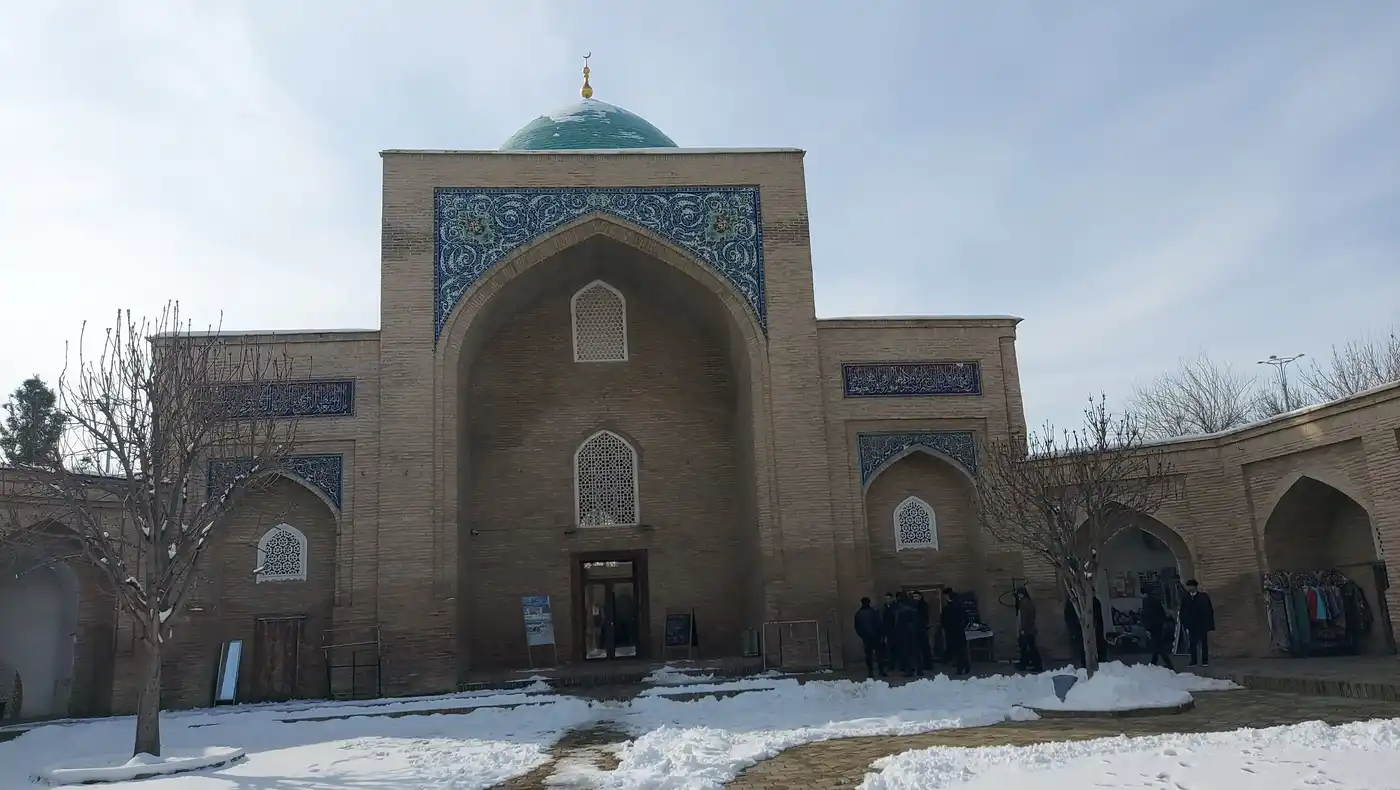
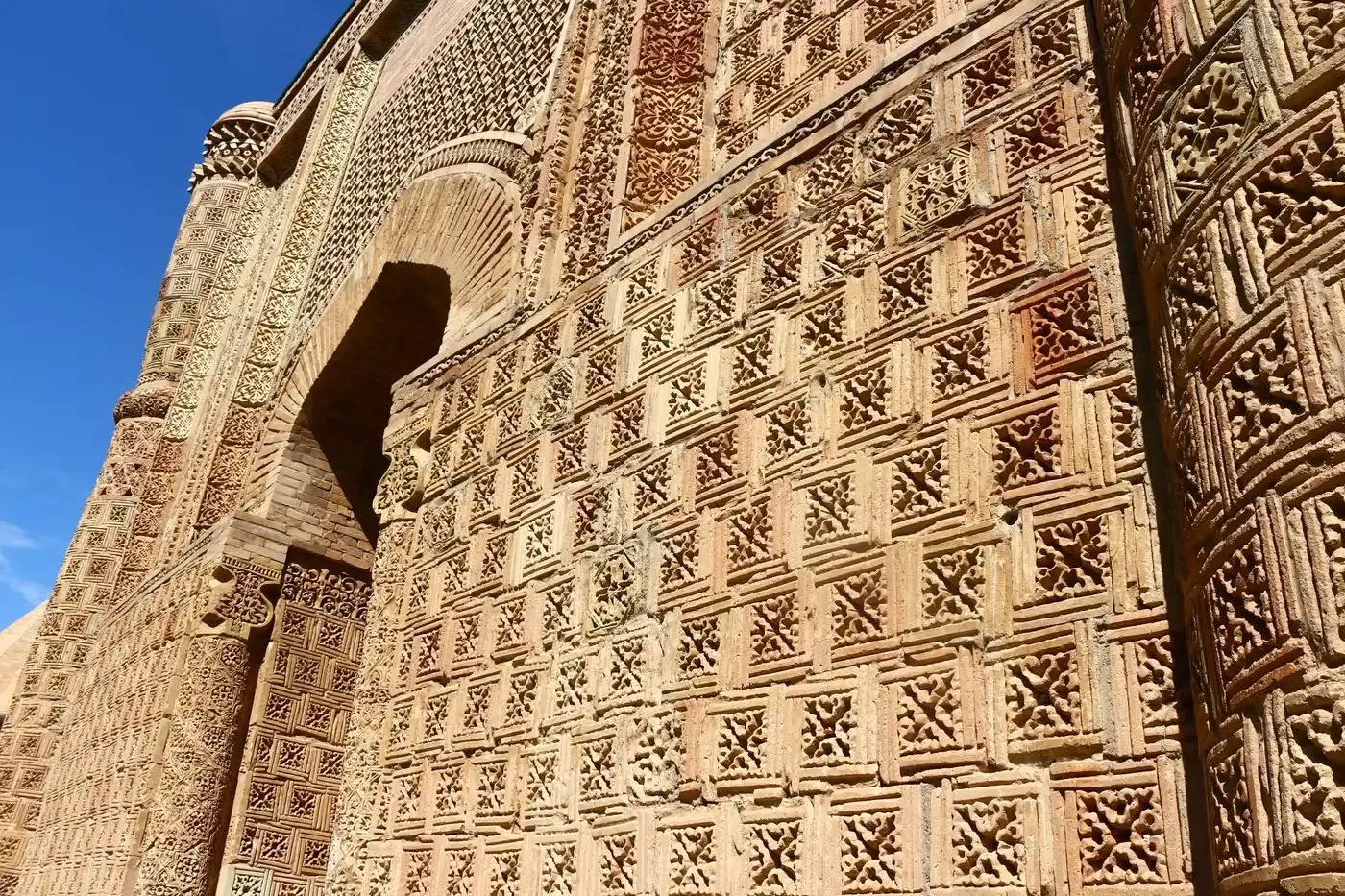
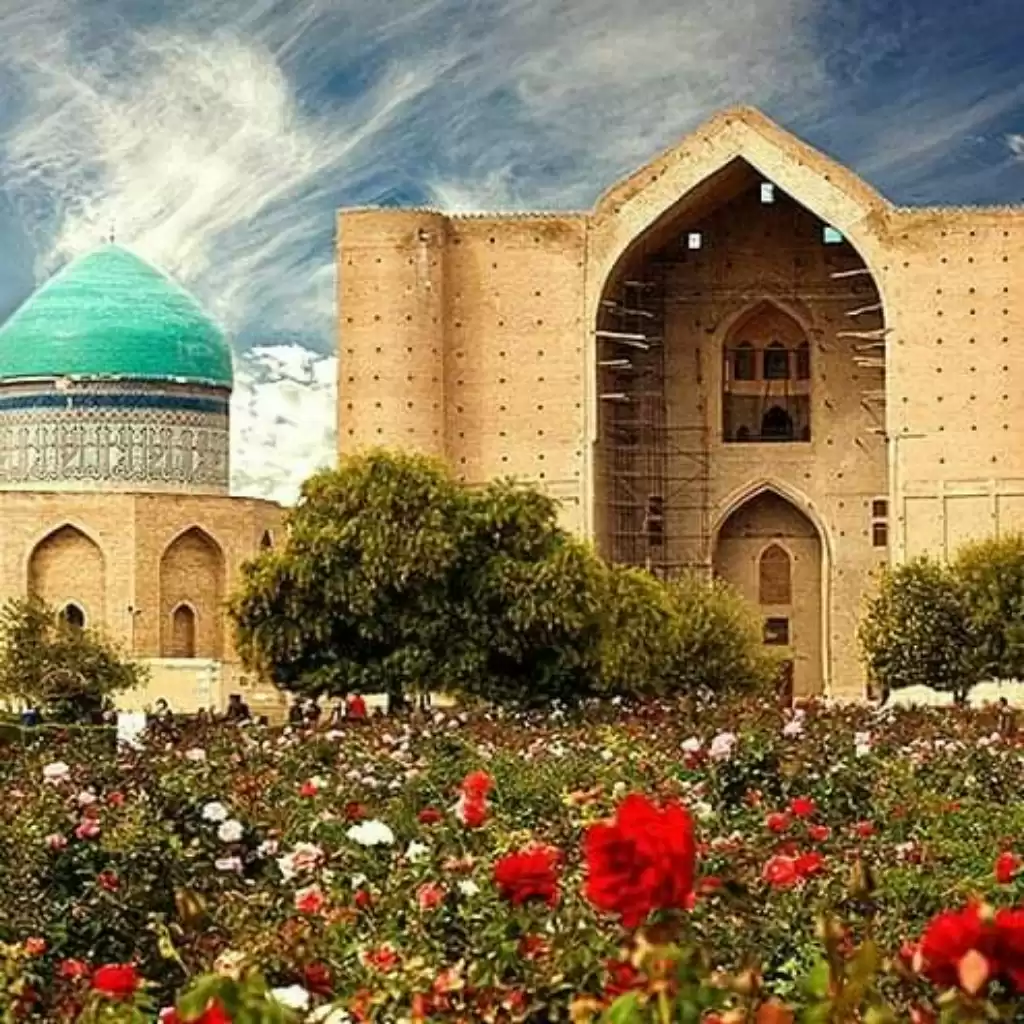
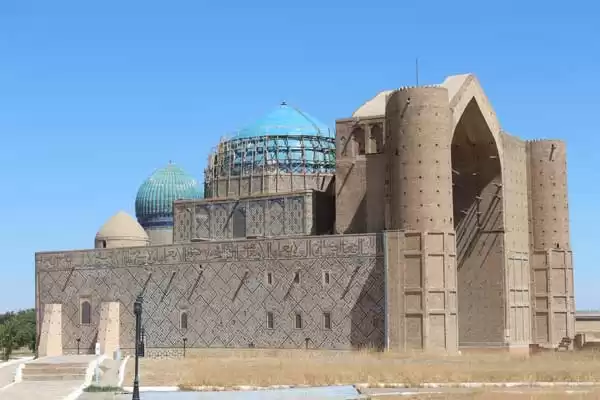
Turkestan is often called the spiritual heart of Kazakhstan, and for good reason. The city is home to the stunning Mausoleum of Khoja Ahmed Yasawi, a UNESCO World Heritage Site and one of the most important Islamic monuments in Central Asia. This architectural masterpiece attracts pilgrims and tourists alike, offering a deep connection to Kazakhstan’s religious heritage. Wander through the vibrant streets of Turkestan, visit its ancient mosques, and discover the region's significance as a center of spiritual learning for centuries.

Good to know

Indy Guide hosts 16 hosts
Listings 21
Start planning →
History of Turkistan, Tengry and Sufi

History of Turkistan, Tengry and Sufi

Turkistan city is more than 1'500 years old; at least official data says about it. In the early 2000s big celebrations were carried out in the country. But no one knows in reality how old in fact is the city. The сurrent name of the city is Turkistan; it's just the last name and it has 500 years of history. The city had the other ancient names before, such as Yassy and Shavgar. Maybe these names were also not the first. There is a version that Yassy is an ancient Turkic name which means "stretched, scattered". The name of great Sufi - Hodja Ahmed Yassavi which means Ahmed from Yassy city comes from this name of the city. Unfortunately, previous history of the city since its beginning until the time of Hodja Ahmed is no longer available. For us history of the city is associated primarily with the life of Hodja Ahmed, i.e. 11-12 centuries.


A bit about geography

From geographical angle Turkistan city is located in ancient natural oasis close to desert and Syrdarya river. In old days the river was known as Yaksart river. There is something similar in this name to the name of Yassy city. Ancient cities such as Otyrar and Sauran were also located in this area nearby. Historians call this area as Otyrar oasis, because in ancient times this place was densely populated and there were many settlements. Apparently climatic conditions were more favorable for human habitation at that time. Currently this area cannot be considered as populous. But people still continue to live here because they believe that this land is holy. And it is really holy.

This region is also interesting because it is located on natural boundary between Great Steppe, which was inhabited for thousands years by warlike nomads and ancient urban civilization, which originated over the river. This place was meeting point of two cultures: nomadic and urban. Nomadic tribes and later Kazakhs, who much later came from these warlike tribes, were leaving many times in their history in case of heavy enemy attacks to their urban relatives over the river. It was during a severe attack of Kalmyk - Jungars in 18th century, when our ancestors after numerous defeats and losses were forced to retreat over Syrdarya river toward present territory of Uzbekistan closer to ancient cities of Bukhara and Samarkand. They retreated or even fled from cruel enemy; peaceful people together with their families, cattle, whole settlements. Enemy spared no one. This period in the history of Kazakhs was named as Great Disaster or Aqtaban Shybyryndy in Kazakh language. But thanks God our ancestors survived, they gathered strength and drove the enemy from their lands and even beyond. Perhaps our native Turkic brothers in the cities over the river had credit for our victory; they helped our grandfathers and did not let them die of hunger. We do not say about this fact much, but it is necessary to know.

There is Karatau (Black) Mountains nearby. They are a natural border between desert and the city. The Black mountains are saving the city and surrounding area from deadly breath of desert. By the way, Karatau mountains are the ridge of main mountain range of Tien-Shan. The branch stretches from the main body so far. I have always believed that Karatau mountains are an independent mountain chain. But it was a mistake. Geography is a great science and helps a lot. Now Turkistan city is an independent administrative unit on the map of Kazakhstan; the city of regional significance. But area which is adjoined to Turkistan city administratively belongs to Otyrar district with center in Shaulder village. As you can see whole district was named by the name of ancient city of Otyrar. Ancient and sacred name Otyrar was not lost despite the fact that no one had lived in Otyrar. People left the city a long ago because of much destruction. Now Kazakhs in South Kazakhstan call the city as Otyrar tobe, i.e. hill or settlement. There are many such tobe in Otyrar district. Tobe is a place where people lived in ancient times. Now this place is a holy area.


Land of Turks

Turkistan in old Turkic language means country of Turks. Apparently this name meant territories where Turkic tribes lived. And this name meant not only the city and surrounding areas but entire region including whole Central Asia. Eastern Turkistan term exists even nowadays; it includes territories of Kashgar, Turpan and in general province Xinjiang in China. And even earlier West Turkistan term existed which meant the territory of our region. As we know from the history there were large nomadic Turkic states in this area and in Central Asia: Turkic khanates, Turgesh and Qarakhanid states. Many Turkic tribes that formed whole nomadic empires lived here; these empires disintegrated then formed new empires. These tribes fought each other, fought together with the neighboring people of Iran, China and India. Life were like boiling water here. Then in 8-10 centuries Islam came to the region and life changed here dramatically. Under pressure of new religion and culture the Arabic and Persian influence started to dominate. Whatever it was the word “Turkistan” has been narrowed to name of the city. We became the Turkistan as “city of the Turks” and lost from the Turkistan as “land of the Turks”.


Ahmed a son of Ibrahim

Ahmed son of Ibrahim was born in early of 11 century in the famous city of Sayram. Only much later he became famous Hodja Ahmed Yassavi. Ahmed was unusual young man. According to my understanding he had extraordinary abilities. He started to develop them and was quite successful. He was the member of religious clan of Hodja, which consisted of arabic or persian people who brought Islam to the region and who then assimilated among local people. According to the legend Ahmed met his future spiritual mentor - famous Arystan Bab in Sayram city. Their meeting had been predicted a long ago by Prophet Mohammed himself; this is also one of the local legends. Thus a kind of spiritual baton of Islam or as Kazakh people say “Amanat” was transferred from the Prophet to future saint Ahmed. But all this occurred in Saiam city, not in Turkistan. Young but well-known Ahmed moved here much later to continue his education. Since that time life of Ahmed son of Ibrahim was strongly associated with Yassy city, which was later renamed as Turkistan. Then Ahmed moved to Bukhara city, where he studied secrets of Sufism. Later he returned home to Yassy – Turkistan city. What was his life in Bukhara city no one knows exactly; we can only guess. But one thing I can say that Ahmed from Yassy strongly stood out from that orthodox Islamic environment and may be had some spiritual contradictions with local religious leaders. People in the city and surrounding areas respected him; he became famous and popular among ordinary people. In addition Ahmed began to write poems in native Turkic language, while all the local literature was exclusively in Persian.

Words of wisdom

The most famous and popular work of Ahmed Yassavi was Book of Wisdom – “Divani Hikmet” created in Turkic language. This book was so popular among ordinary people that many young people learned and recited his poems by heart. Elders assessed maturity of young people by knowledge of Khodja Ahmed’s book. Ordinary people called this book as Second Book or “Korany Turky” i.e. second great book after the Koran or Turkic Koran.


Old faith of Tengry

We know that Islam was relatively new religion in this area at that time. Most people still adhered to old faith - Tengry. I fundamentally disagree with those who today claim that Tengry was belief of pagans and shamans. I think it was quite a serious system of beliefs with the basic idea of existence of one God - Tengry. For many centuries, thousands of years Turks confessed Tengry and this belief was foundation of their lives. I dare to assert that Islam, which is practiced today by modern Kazakhs and other people of Central Asia contains many religious principles and attributes of old religion – Tengry. I think belief of Tengry did not disappear but gradually was developed and preserved in so-called popular Islam. Islam in the Steppe and Central Asia always differed from Islam, which is confessed today in Arab world and Iran in terms of tolerance and wisdom. It is not a secret that there is a serious conflict in modern Islam between Sunnis and Shiites, two main branches who still argue who is closer to Allah. Ordinary Muslims in Kazakh Steppe and Central Asia have always been religiously tolerant and restraint towards their Islam brothers and representatives of other religions. And the reason of this is old faith of Tengry.

In times of Hodja Ahmed our ancestors made already decision to accept Islam as main religion among the nomads with proviso that their Islam would be kind of symbiosis of old and new beliefs. Hodja Ahmed Yassavi realized this fact therefore he promoted and explained understandable Islam to ordinary people. He confessed Islam which had taken into account life and customs of the nomads. Among the preachers of Islam he was one of few who did not call to “pure” Arabic or Persian versions of Islam, but called for a clear simple and universal Islam, center of which was love to Human.


Turkic Sufism

History of Turkistan city and South Kazakhstan in general is closely associated with Sufism or rather with Turkic Sufism. It was written and said much about Sufism, but we do not talk about it in Kazakhstan. For some reason people here are afraid of extreme manifestations. I personally understand Sufism as spiritual way of purification and self-development, way of comprehension of God. Originality of Turkic Sufism was in that fact, that he adapted local folk traditions and customs, elements of old faith to Islam, turning it into a so-called folk Islam, which is still very popular among Kazakhs. Ahmed Yassavi developed and expanded this line. One of the characteristics of Sufism in general and in particular of Turkic Sufism is asceticism and mysticism. Hodja Ahmed was such ascetic; he also was founder and leader of Sufi order named after the city or its founder - Yassaviya. Asceticism of the order was also in that fact that it was a dervish order, i.e. wandering monks order. Dervishes or as Kazakhs called them “Duana” were ascetics, who renounced material life and dedicated themselves to comprehension of True. Dervishes traveled all over the world distributing and collecting crumbs of Wisdom and True. Students of Khodja Ahmed were very popular among ordinary people especially among nomads. They brought sacral knowledge on God to people. Sufism was very popular among Turkic nomads, especially when Islam was chosen as main belief. Sufism for nomads became a kind of continuation of their old Faith. Religious authorities so-called “Sopy” – Sufis were very popular among Kazakhs. If you are familiar with Kazakh genealogy – “Shezhire” you should know that majority of founders of most Kazakh tribes were “Sopy” - followers of Sufism. Legendary saints of South Kazakhstan such as Koshkar - Ata, Shakpak-Ata, Ak-Bura Aulie, Ukash- Ata, Beket-Ata and others were the followers of Hodja Ahmed and may be members of his Sufi order. Hero of folk anecdotes famous and loved by everyone Hodja Nasreddin was Sufi dervish. He is very good example of Turkic Sufi. Hodja Ahmed Yassavi whom people called as Sultan of Sufis was such leader and one of great founders of Turkic Sufism.


We can talk about Turkistan city and Hodja Ahmed Yassavi a lot. I can tell the story about construction of the Mausoleum, where saint Ahmed was buried. Mausoleum, which was built three hundred years later after death of great Sufi by great ruler Tamerlane. I can also tell the story of Turkistan city in middle ages as main city of Kazakh khanate. History of modern Turkistan city is also very interesting. I have many such stories and they all are very interesting. As we say in the South: “It is better to see one time rather than to hear hundred times”. Come, see and you will hear many surprising and interesting stories.


If you want to see Turkistan city and around English speaking tour guide and SUPERHOST Dildabek (Shymkent).
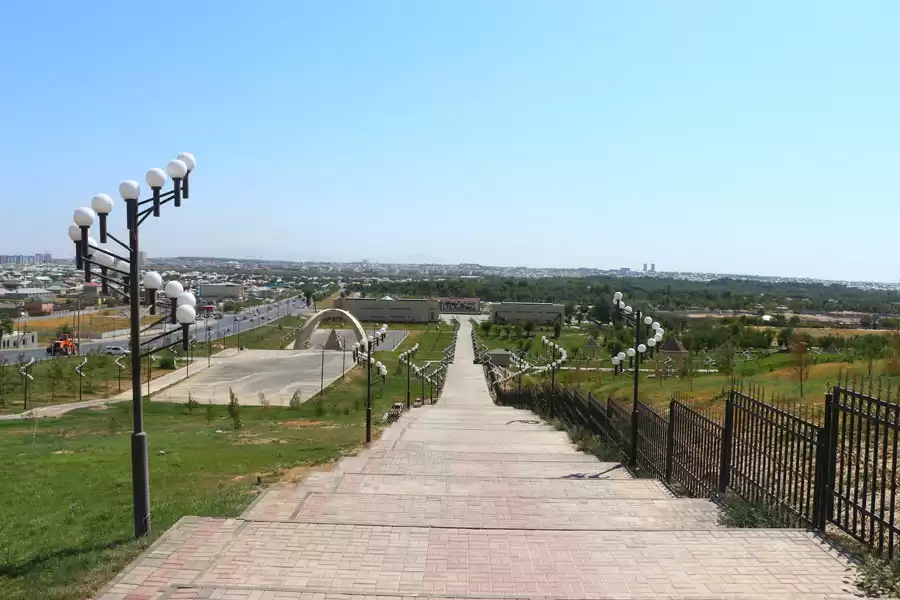
What I love about Shymkent City

What I love about Shymkent City

Kazakhstan is a large and attractive country. We have a lot to see: nature, historical places and people. And the country itself is very diverse. People living in this country are very different in terms of characters and even person’s appearance. Natural landscapes in various regions of the country are very different and that is why it is beautiful. Cities in this huge country are very different in their own way, because people who are living there are different too. In general Kazakhstan is a country of contrasts. Every region in the country in its own way is beautiful and different. There are no uncomely places in this country, there are no uninteresting people.

I shall try to explain by comparing Almaty city and Almaty region. It would seem that it is one region and one place. But Almaty city is different from Almaty region as heaven and earth. Paradoxically, the city and the region are in the same place, but people there are very different, history and nature are different. Almaty city is the largest megapolis in Kazakhstan with its modern urban culture. It is a melting pot of cultures and peoples. Its people are consumers of goods and services. The city is a cosmopolitan, urban center, which is tightening and pulling human energy. And of course, Almaty city is, above all, surrounded with beautiful mountains that are almost situated at arm's length.

On the other hand, the Almaty region is a different world. This region, in my opinion, the most comfortable place in Kazakhstan in all aspects. We have everything in the Almaty region. A variety of natural landscapes: mountains, steppes and even deserts, large lakes and large rivers. And people here are not like in Almaty city. Like in many cases, they are much easier, softer and kinder, not so tired. Almaty region is still a province; it is place of the villages. And this is very good.

South Kazakhstan: Shymkent city

But I would like to talk about South Kazakhstan. What is interesting in South Kazakhstan? Why it is necessary at least once in lifetime to come here? South Kazakhstan, of course, is very different from other regions of the country. Everything is different here: land, people, air, culture, history and food. Almost everything. Shymkent city and its region have their own advantages and disadvantages. Just like others. And that is why this region is very interesting.

Let’s start with Shymkent city. There are many persons who speak very well about the city, and who does not like the city. Perhaps both are right. I remember when I was young that the city was called Texas as the American state. I was very disappointed. It was called such for different reasons. Because it is South of the country, because people here are more practical and inventive. But we are Shymkent city, we are not Texas. Now Kazakh government is planning to make it as a megalopolis with population more than one million. In my opinion this is very big mistake. In this case the city will lose its original face. It is the city with its ancient and rich history. The history of the city according to conservative estimates has about 1000 years. In terms of history Shymkent among other regional centers is only younger than Taraz city. And not so younger. By the way, who does not know, Shymkent means “city of a sward, turf”. In old days people built their houses from clay and for the roofs they used “Shym” - turf. Such natural and eco-friendly roofs. Construction of the house from the natural clay bricks is the most eco-friendly and most economical method of construction. It was such and remains today. Today the roofs from a turf nobody use, but the houses made from adobe are still very popular here. Shymkent is still, as in ancient times, low-rise city. Despite large population it is not a megalopolis, it looks very different. There are few large and really high buildings. I like that fact, that they are few.


Rivers of Shymkent city: holy water

In old times people have extracted turf on the banks of small rivers, because good turf – “Shym” grew on the banks of the rivers. Therefore our city was the city of many rivers. Many small springs. And the city has been very green because of these small rivers. Then most of these small rivers disappeared, they are continuing to flow somewhere under the ground.

Now there are several rivers that are flowing in the city. The biggest of them is Badam river, which flows from the mountains of Talass Alatau. The mountains are very close to the city – just 60-70 km or 40-minute drive away. The word Badam from the ancient Turkic language means Pistachio tree. This tree is growing in the local mountains. Still people are gathering and eating nuts of this tree, a very healthy local product.

Koshkar Ata and Kara Su rivers are other well-known rivers, which are flowing in the city. Kara Su (“Simple River”) is a very small river, which originates just in the city. Koshkar Ata River means Ram Farther in Kazakh language. Do not be ironic about this name. The river was named after the saint Koshkar Ata, a person who lived a very long time ago. This saint was well known not just only in our region, but all over Central Asia. Several rivers, mountains, regions were called after his holy name. This person was not just an ordinary person; we can say he was a historical outstanding person.

In South Kazakhstan we have two different rivers in different areas and both were named after him. We do not know a lot about him, just that he was follower of Sufism, mystic. His life was associated with Islam. We do not know exactly what he did. This fact is one of the mysteries of the Southern region, which is waiting to be discovered. But it is clear that the saint did a lot of good things for ordinary people. Otherwise they wouldn't call him a holy man. Even now his name helps to so many people with health problems. The river, which originates just in the heart of the city, is named after him. Its water is healing (contains a lot of minerals) and treats different diseases: skin, nervous and other diseases, especially women’s. People from many places of Kazakhstan and abroad are coming to Shymkent to heal with the water of this river. The water is really healthy, very tasty and pleasant. It really helps, I am using it for my health. If you're interested, I can tell you more about it. In the 19th century, elite people of Tashkent city, the capital of modern Uzbekistan, came to this river to drink its mineral water and took a bath. This is our truly holy resort in the heart of the city. The fact that right in the center of the city, the holy river is born from many springs is also a unique fact. I have traveled a lot around many countries, but nowhere I've ever seen something similar.


The unique history of Shymkent city

The city itself is very interesting with its unique and ancient history. It doesn’t look like an ancient city. It has still more architecture of the bygone Soviet era. Unfortunately, as in many cities of our country, you can’t see so much of the really ancient architecture in the streets. Yet it is an ancient city and you can feel it, when you walk in the streets. There is an Old Town, there is also a New Town - Yangi Shahar. It is amazing that all the residents of Shymkent until now are pronouncing the name of Old Town in Russian language and the name of the New Town - Yangi Shahar in Uzbek language. Although the majority of the residents in the city speak the Kazakh language. Such an interesting mix of the languages. There is also an old citadel, but it is not in a good condition.

In the old times, there was a very busy city center. Rich and noble people of the city lived in the citadel. Now it is abandoned, just wasteland, unfortunately neither the city residents nor local authorities care about it. It is really pity, because even today it is the highest point in the city. And this is the most historical place of the city. We have also Woman’s Bridge – Katyn Kopyr. Although the bridge has disappeared, the bridge existed in old times. Now the city has grown, and the river and bridge have almost disappeared. But the name of the bridge is left. Now we have only old names of different districts and areas of the city. Very interesting names. The city today is still green; there are a lot of parks. It used to be more trees in the city.

As in any oriental city, in the old times the water in Shymkent flowed in small canals around the city. A quite developed irrigation system existed in the city. Its main goal was watering the trees and conditioning air in the city. Now water in that canals has almost disappeared and green areas in the city are decreasing. It is very hot and stuffy in the city in the summer. This is the result of urbanization and asphalting everywhere. Everything is mixed up in this city: antiquity, Soviet era and new history.


People of South Kazakhstan and their character

People in the South are very different from people who are living in other regions. Residents of Shymkent city, because of the excessive sun and warmth, are probably the most energetic and hectic people in Kazakhstan. They are very practical people; they know how to make money. And it is also understandable. A special culture has developed here during many centuries. It is a mix of ancient urban settled trading cultures of the East and wild steppe cultures of the nomads.

The first culture nowadays is represented by the Uzbek population. They are very good traders, farmers, cooks and builders. They are descendants of ancient residents of Turkestan and Sayram cities. The ssecond culture is represented by Kazakh people who are descendants of ancient nomads and some Kazakh people who were living in the towns. They are children of wild steppes, they are children of warriors, who besieged ancient Otrar city with Genghis Khan troops, and who defended the city from other sides of the walls. There is also the Russian people, who later in the time, when this region became part of the Russian Empire, moved here and became part of the local people. And they also made their own huge contribution to the culture and history of the region and the city.

The proximity of the Silk Road and ancient centers of Eastern civilization such as Samarkand, Bukhara and Tashkent also had an effect. Tashkent city, the capital of Uzbekistan, is just 120 km from Shymkent, not far from the state border. In Soviet time during the Great Patriotic War plants and factories and, of course well educated people, were evacuated to Shymkent city from the European part of the Soviet Union. There were people, who have also changed our city. Such a great mix of cultures and people’s characters has appeared. These factors had constituted the character of the city resident.


Hospitality in South Kazakhstan

People in the city have changed in our time, just like everywhere. Over the last 25 years of independent history other people of new generations were born. But they have absorbed the previous history and previous generations. One thing has remained unchanged, this is the Southern hospitality.

In general, people in Kazakhstan are quite hospitable by their nature. But in Shymkent city they are probably the most hospitable in Kazakhstan. This also comes from ancient times. Shymkent always has accepted a lot of people. The city has accepted them warmly, hospitably and cordially. And many people have stayed here to live. People in Shymkent are always very friendly, responsive and kind. They never let the guest stay hungry. They are ready to help guests.

Many of the new residents of Shymkent have moved from the countryside and, fortunately, they have not yet become real modern citizens. They have not yet become very busy, hurrying on business, indifferent and selfish like people in the big cities. People who are living and working in a soulless concrete and glass boxes. They are still provincials, and this is very good. These people have not yet lost their humanity and simplicity. There are some small flaws of such provincialism, but it is not so critical.


Celebrations and Cuisine in Southern Kazakhstan

Shymkent residents really love to celebrate. Weddings, birthdays, graduations, beginning of work, transfers, etc. They find a lot of reasons for "Toiys", celebrations. In Shymkent people love even to show how they can celebrate. And even make a competition whose celebration is richer and cooler. The biggest Toiyhanas (special wedding restaurants) are in Shymkent, the most pretentious wedding are in Shymkent. The most modest weddings invite up to 200 guests, while the richest weddings invite more than one thousand. That's really cool.

People also love to eat tasty and hearty. People here know a lot about food. They eat a lot and plentifully. Bless them! Local cuisine is the tastiest in the country. Because local food culture has its long history and has been developed since ancient times. Mix of settled Uzbek, nomadic Kazakh and European Russian cuisine cultures gave that very rich and tasty blend. One more factor why Shymkent food is so delicious is that the products are local. It is also very important. As well as blend of local meat and vegetables played its role.

Ancient cooking traditions also remained and they have been developed. For example, such a phenomenon as tandoor. Tandoor is a clay oven, the progenitor of all modern electric furnaces. I think, the place of origin of tandoor has always been Central Asia. And South Kazakhstan was not the last in this matter. Tandoor is the most eco-friendly and healthy method of cooking. Because food is prepared in a clay oven with firewood and without microwave, gas and electricity. Even now tandoor is widely used among the population of South Kazakhstan. A lot of people bake bread at home with the help of tandoor. Most of the bread traded in South Kazakhstan is baked in private tandoors.

And of course very famous all over Kazakhstan is tandoor Sam(u)sa. A sort of small meat pie. I have found some references to Samsa in the poems of Jami, medieval Persian Sufi poet and philosopher. The most delicious Samsa is traditionally made by our Uzbek brothers from ancient Sayram near Shymkent city. Some local families bake Samsa for centuries. There are many kinds of Samsa which are baked there. I don’t think we can find any other fast food, which can compete with our tandoor Samsa. Generally, tandoor is a multipurpose stove. You can cook almost any food in it.

Cooking a pilaf in Shymkent is also a separate story. It is genuine pilaf cooked on firewood. It is important to cook pilaf on a natural fuel. Taste of such pilaf is much softer and flavored than pilaf which is cooked on gas. Every Spring, pilaf festival is conducted in Shymkent, where the best cooks of South Kazakhstan compete in cooking of pilaf. At the end of festival pilaf is distributed to everyone for free. I have very happy reminiscences from my childhood. I remember how my parents for special family events invited the best local cook – Ustaka to make pilaf. He cooked pilaf in the backyard of the house. The master was an old Uzbek person with national hat, always in a white coat, very neat and with its own set of tools. He cooked Pilaf on such family events at least for a hundred people in a big cauldron. Many children helped the old Master with the firewood to cook in huge cauldron. And this was the most delicious pilaf in my life.


written by English speaking tour guide around Almaty and South Kazakhstan, Dildabek (Shymkent)

Sayram - a regional highlight

Sayram - a regional highlight

What Sayram means to me. Sayram... It is not just the name of the city, it is something more. This is our history.

Sayram personally to me - it is, first of all, the amazing Sayram peak (4238 m), the highest peak in South Kazakhstan in Western Tien Shan, Talass Alatau. This is also the names of the Sayram lakes, Upper and Lower, amazing in its beauty, which originate from glaciers of Sayram peak. This is the beautiful river Sayram Su and Gorge through which it flows under the same name. All these natural attractions are located in the famous National Park - Sayram-Ugam. And, of course, ancient Sayram city. Our Eternal City. Today it is hard to see and find out in this dusty provincial city one of the oldest cities in Kazakhstan, perhaps, in Central Asia. To do this we need to be here, to listen to the voices of its streets, feel the beat of his heart and have a bit of imagination to travel back through the centuries in that Sayram, which we only have in our dreams.

What does Sayram in general mean? Where does this toponym come from? In this respect there is no clear and reliable information. It is also unknown what was named earlier: peak of the mountain or the city. Taking into account that Sayram is not the first name of the city, I think first the mountain peak and the river were named. Although it is necessary to make a reservation, this is just my own opinion, which can be flawed. The previous name of the city was, for some reason in Persian – “Ispindzhab”, which means “white (light) River.” Why this old name is Persian, we could only guess. Perhaps this is due to the first penetration of Islam into South Kazakhstan in 8th - 9th centuries. First missioners of Islam, probably, were the Persians. As, for example, famous saint Arystan Bab, buried about 150 km from Sayram, and not far from the city of Turkestan. Or maybe this Persian name of the city came from a time when the city was part of the Samanid Empire – ancient Persian-Tajik state which existed in 8th - 9th centuries. There is no reliable data about this fact. At least, the current name of the city - Sayram sounds and looks like a Turkic name. Some ancient sources say that “Sayram” is translated from ancient Turkic language as “shallow water”. In any case, meaning of the city name is connected with a water source, in our case, with the river. And this once again confirms my theory of the name after the mountain and river.

But there is also an esoteric, mystical version of Sayram toponym origin. It does not seem so fantastic and in the future it could be even the main one. This version connects us with a kind of prehistoric hero, whose name was Rum and who came from somewhere in the East. And it is quite logical. As we know in ancient times there was an old path of pilgrims who had prehistoric pre-Islamic belief, path passed from holy mountain Uch Sumer in Altai mountains, through the Tien Shan, Pamir, Hindu Kush, and went to the Himalayas to another holy mount Kailas in Tibet. And, perhaps, that Rum person was an ancient pilgrim who was going from East to South. For some reason, this person stayed in our region, and lived here for some time. Apparently, his behaviour and personality influenced local people so strongly that they decided to name after him everything that can be named, including the city. “Say Rum” means by this version as “Holy Rum”. Later, this Saint went to India. In India this person is so well-known that there is even a whole book dedicated to his exploits – Ramayana. And the status of the person in India, almost divine. That’s the story of connection between Sayram and far India. There is a reason for search and researches. Who knows the truth?

And one more addition to the history of our region, today’s name of Tien Shan mountains (in Chinese “Celestial Mountains”), it is just a carbon copy of the original ancient Turkic title - Tengri- Tau, which means Mount of Tengri, mountain of supreme God. Kazakhs now poetically call these mountains Ala-Tau – “Motley mountains”. That’s the story of the mountains, peaks, lakes which smoothly flows into the history of the city.


Sayram city

City of Sayram (let’s call it so), its administrative status is not clear at the moment. Initially, it was a village, then a district center, and now it is planned to merge with the regional center – Shymkent city. As mentioned above, Sayram is one of the oldest cities in Kazakhstan. The exact date of its foundation and age has not yet been defined. Even historians have different opinions on this issue. So far, with more or less degree of probability we can say that the age of the city is about two thousand years. The city is famous not only for its ancient history, but first of all that it is burial place of many holy persons. The city, in fact, is a huge burial place of holy men. Almost all of these known buried saints are Muslim saints. Stories and legends tell us that these holy men were the ones who first brought Islam to the region. So, one of the saints buried here – Abdul-Aziz Bab is called, contemporary and companion of Prophet Muhammad, a kind of standard-bearer of the first group of Muslims. His mausoleum in Sayram is a place of visit for religious pilgrims. All these people who stayed and spread Islam in the region and were buried here were later recognized and ranked as a special caste of religious people, so-called Hodja. Their direct descendants among Kazakhs still today belong to this religious group. Most respected and revered of them, few of their names are known to us, were canonized. Possible or impossible to imagine how many such people came to preach Islam, and how many of them were buried here. At least, Kazakhs still are calling Sayram as “Sanzyz bab Sayram” – i.e., city of uncountable number of saints. I do not consider it impossible, if the city was a burial place for ancient Turkic tribes even much before Islamic period. Very close to the mountains in Kazakh villages you can meet ancient pre-Islamic, and possibly prehistoric burial mounds of Scythian, Saka or Hun people who once lived here.


Holy Sayram

There were no any serious archaeological excavations in the entire history of the city. It’s just physically impossible, because everywhere there are private households and modern houses are practically located on the site of ancient city. The whole city would be a huge archaeological site. Periodically, people find various objects and ancient artifacts when they construct or rebuild their homes. Taking into account the number of graves and mausoleums in the city it can be named as “Holy Sayram”. So, Sultan of Sufis – famous Hodja Ahmed Yassavi (who was buried in Turkistan city) was born here in the 10th century. His parents, grandfather and relatives also were buried here. Their mausoleums still stand here and they are places for pilgrimage. According to the legend his spiritual mentor Arystan Bab met little Ahmed - future saint, here in Sayram on the bridge in the center of the city.

Today Sayram is the city with its own face, its unique culture. Maybe not everyone knows that fact: vast majority of Sayram population (over 95%) are residents of Uzbek origin. These people call themselves Uzbeks, a kind of Uzbek enclave on the territory of South Kazakhstan. In general, many of the nearby larger towns, such as Kara-Bulak Kara-Murthy, Ak-Su from ancient time are inhabited by these Uzbek people. These people did not come here from Uzbekistan, they were not brought by force, and they lived here forever. Sayram is their homeland. Even their language and customs are different from Uzbeks in Uzbekistan. Maybe they are descendants of those people who came here to the edge of Great Steppe to nomads with new faith, Islam. Who knows? These people are good traders, farmers, builders, cooks. Probably nomads learned a lot from these people. Whatever it was they are now part of the distinctive culture of South Kazakhstan. Without these people South Kazakhstan would be much poorer. Their national Uzbek cuisine, in particular bread baking and tandoor samsa, I think is the most delicious. Ancient technology of cooking in tandoor, which is ancestor of all modern ovens and stoves, preserved to the present day. Many citizens of the regional center Shymkent come here to enjoy delicious food.


This was a short, but interesting and even mysterious story of this ancient city of Sayram. The city with two thousand years history. The city of the Sun and Warmth. Come and you will not regret.


written by English speaking tour guide around Almaty and South Kazakhstan, Dildabek (Shymkent)

What brings people here

Browse all →
4 Day Taraz-Aksu Jabagly-Sairam-Shymkent-Turkestan

Tours & Activities

4 Day Taraz-Aksu Jabagly-Sairam-Shymkent-Turkestan

Available in french. For an additional amount, video or photo shooting from a drone is possible 1. Taraz -Tekturmas -Karakhan mausoleum -Aisha bibi mausoleum -Babadja khatun mausoleum 2. Aksu Jabagly natural reserve 3. Sayram - old city of Silk road. Mausoleums of mother and father of Khodja Akhmet Yassawi 4. Otrar - old city of Silk road. 5. Mausoleum of Arystan bab 5. Turkestan. Mausoleum of Khodja Akmet Yassawi

Atrau

Atrau

7 Days Great Silk Road Almaty Taraz Shymkent Turkistan Superhost

Tours & Activities

7 Days Great Silk Road Almaty Taraz Shymkent Turkistan

7-day fascinating tour from the South-East to the South of Kazakhstan through ancient historical cities such as Almaty, Taraz, Shymkent, Sairam, Otrar, Turkestan. The length of the entire tour is about 1000 (one thousand) km. On request it is possible to extend the tour to Tashkent (border with Uzbekistan). This is a successful combination of the ancient history of one of the centers of world history and the stunning nature of the great Tien Shan mountain range. The amazing history of Kazakhstan and Central Asia, which you can not only see but also touch with your hands in old mausoleums, mosques, buildings and ruins. The natural beauty of the surrounding steppes and mountains. The tour is conducted in a comfortable sedan or minibus (train if necessary) depending on the number of guests. The tour can also be conducted in the opposite direction from Turkestan/Tashkent to Almaty. A tour from Bishkek to Tashkent via South Kazakhstan is also possible, as described above.

Dildabek

Dildabek

1 Day Driver Ancient Taraz City - South Kazakhstan

Tours & Activities

1 Day Driver Ancient Taraz City - South Kazakhstan

Dear guests! We invite you to a fascinating tour of the historical city of Taraz, during which you will visit: * **Karakhan Mausoleum** One of the oldest and most majestic buildings of the 10th-11th centuries, the dome of which sparkles in the sun's rays and preserves the memory of the great rulers of the Karakhanid. * **Tekturmas Mausoleum** A small but extremely atmospheric monument, immersed in the greenery of the garden; an ideal place for quiet contemplation and romantic photographs. * **Aisha-Bibi Mausoleum** The legendary "pearl" of the tulip pattern, a symbol of eternal love and devotion, whose carved panels and bas-reliefs conquer the hearts of tourists from all over the world. * **Babaja-Khatun Mausoleum** An elegant white building located at the foot of a hill, overlooking the vast steppe expanses - a place of strength and peace. When booking through ours you get a *free trip to the Tekturmasa observation deck* in Taraz. Book your unforgettable tour today and set off on an adventure in the heart of ancient Taraz!

Nurzhigit

Nurzhigit

2-day Shymkent & Hiking In Sayram-ugam National Park Superhost

Tours & Activities

2-day Shymkent & Hiking In Sayram-ugam National Park

A two-day tour combining a visit to the famous mausoleums of Sayram town and an easy hike in the mountains of the Sairam-Ugam National Park near Shymkent (70 km) in one day. A good combination of the ancient history of the Great Silk Road and the nature of the Western Tien Shan Mountains. Walking along the mountain path for any age in the wildlife conditions. The National Park is full of wild gorges and canyons, alpine lakes and rivers, mountain peaks and glaciers. Big areas of the park are covered by evergreen forests of juniper, wild apple trees and apricots. The last destination of the hiking is beautiful mountain lake Sayram lower lake, the height above sea level is more than 2000 m. However the route could be changed or regulated according to wish of the guests. Relaxation, meditation and real rest. The unique juniper forests and wonderful world of flora and fauna. Mountain rivers with crystal glacier water. Fresh mountain air filled with fragrant herbs.

Dildabek

Dildabek

2 Days Ancient Taraz City Aisha Bibi Love Story Superhost

Tours & Activities

2 Days Ancient Taraz City Aisha Bibi Love Story

A two-day tour to the ancient city of Taraz in Southern Kazakhstan, which is over 2,000 years old. The tour is conducted from Taraz itself or from Almaty or Shymkent The penetration of Islam into the region and islamization process of cities along the Great Silk Road. The eternal conflict between the city and the nomads, the confrontation between Islam and the ancient nomadic culture using the example of the city of Taraz and the region. Unique masterpieces of ancient architecture and mysterious residential complexes of nomads. Modern Soviet archtecture of Taraz city. Taraz is also a great place where you can still see mosaic panels and monuments of the Soviet era. Monuments to the leader of the world revolution V. Lenin, unique mosaic panels, monuments to various figures of Soviet history.

Dildabek

Dildabek

Two Days World-famous Turkistan And Ancient Sayram Superhost

Tours & Activities

Two Days World-famous Turkistan And Ancient Sayram

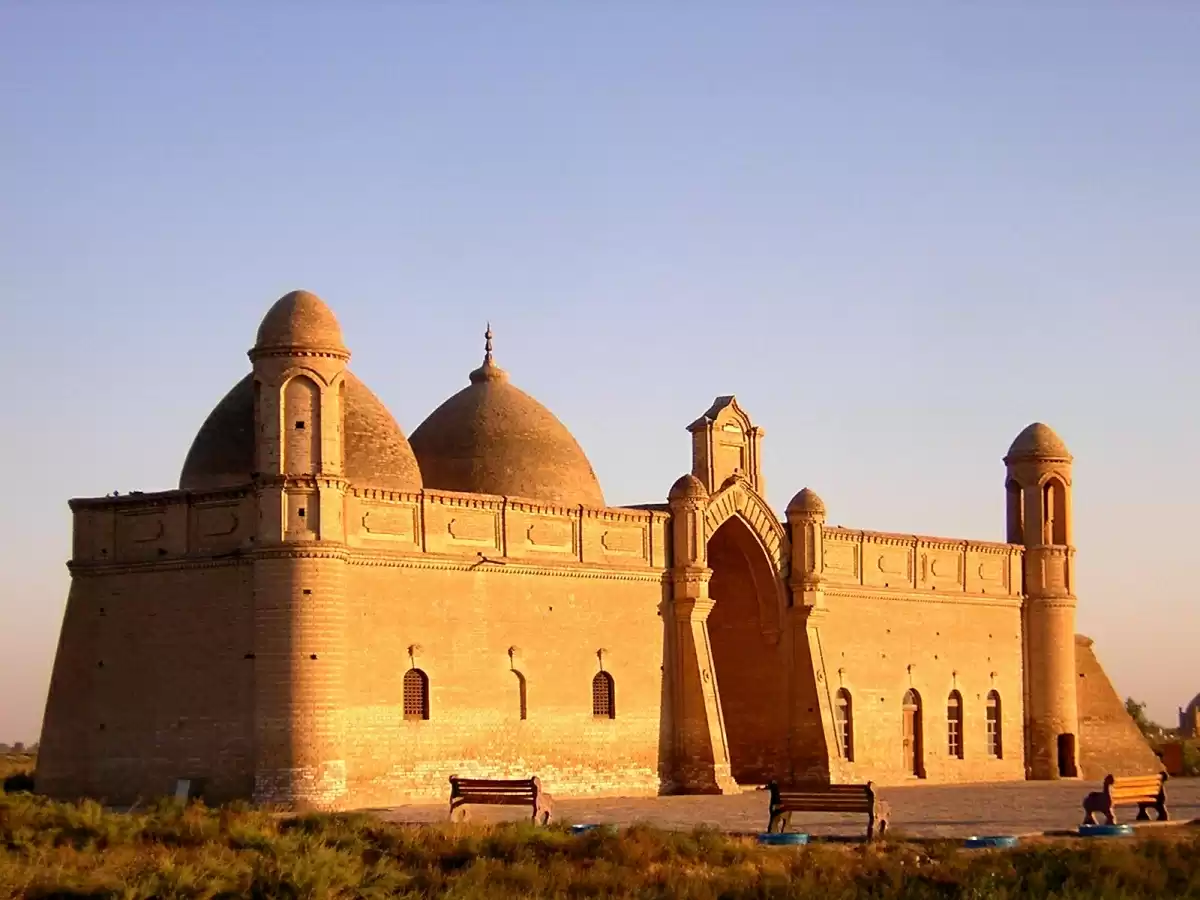
The most popular route among tourists and religious pilgrims through the most famous historical sites of the region. Ancient Sairam is still a place of attraction for tourists from all over the world. Sairam is called the place where countless saints are buried. The city of saints. The Arystan-Bab Memorial Complex is the number one place for Muslim pilgrims from all over Central Asia and from all over the Turkic world. The ancient city of Otrar on the Great Silk Road is now ruins in the desert. Ruins of more than 2000 years of history. And of course the most famous place in Kazakhstan and in all of Central Asia, where the great poet and Sufi Khoja Ahmed Yassawi is buried. The mausoleum of the famous poet is a UNESCO World Heritage Site. The tour can also be carried out from Turkestan and finished in Shymkent.

Dildabek

Dildabek

Trekking In Sayram-ugam National Park & Turkistan City Superhost

Tours & Activities

Trekking In Sayram-ugam National Park & Turkistan City

A two-day special tour combining Silk road history of the region and trekking in the wild mountains. Turkestan and the ancient cities Otyrar and Sauran in the desert. A real trekking along the trail in the wild and remote places of the Sairam-Ugam National Park. This tour can be carried out at any time, winter and summer.

Dildabek

Dildabek

Trip From Shymkent To Tashkent

Tours & Activities

Trip From Shymkent To Tashkent

We will go to see beauty of Uzbek capital.

Islam

Islam

Tour To The Canyon Aksu

Tours & Activities

Tour To The Canyon Aksu

Canyoning outside of the city.

Islam

Islam

Hiking Famous Aksu-zhabagly Nature Reserve & Turkistan Superhost

Tours & Activities

Hiking Famous Aksu-zhabagly Nature Reserve & Turkistan

A two-day tour combining a mountain hike in the famous Aksu-Zhabagly Nature Reserve and an introduction to the legendary Turkestan and its history of the Great Silk Road. Hiking in the mountains along a special trail accompanied by a reserve guide (horseback riding is possible) to the Kishi Kaindy waterfall or Aksu Canyon. The legendary Aksu-Zhabagly Nature Reserve is the oldest reserve in the country and has more than 100 years of history. The reserve is located about 100 km from the city of Shymkent in the Western Tien Shan Mountains. The landscape of the nature reserve is diverse, as is the animal world. Snow leopards, bears, porcupines, foxes and wolves are known to live here. The diversity of plants will also surprise visitors, who will be greeted by St. John's wort, Greig and Kaufman tulips, yarrow and chamomile. Alpine flowers look especially beautiful on the slopes of snow-capped mountains. Transfer from the nature reserve to the steppe and desert part of the region in Turkestan. On the way, visit the abandoned city of ruins of Otyrar and the memorial complex of the most important saint in Central Asia, Arystan Bab. Transfers are carried out by car with an individual driver.

Dildabek

Dildabek

Giant Natural Holy Cave In The Mountains Akmeshit Superhost

Tours & Activities

Giant Natural Holy Cave In The Mountains Akmeshit

Giant natural holy cave in the mountains near Shymkent (80 km). One of the big natural caves in Central Asia with healing characters. Descending into the cave by stairs. On the way to the cave visiting medieval burial of great holy mother of all Kazakhs - Domalak Ana. Picnic in the mountains.

Dildabek

Dildabek

Trekking Outside Of Shymkent

Tours & Activities

Trekking Outside Of Shymkent

Trekking to sacred mountain Kazgurt for the Kazakh people

Islam

Islam

Driver And Guide Turkistan From Taraz And Shymkent

Tours & Activities

Driver And Guide Turkistan From Taraz And Shymkent

2 day trip to the spiritual capital of South Kazakhstan and all the Turkic people! The city draws thousands of pilgrims. As per local tradition, visiting Turkistan three times is akin to a single hajj to Mecca, a sentiment echoed in other revered sites across the Muslim world. Such high regard for the Saint led to Turkistan being dubbed the Second Mecca of the East, profoundly influencing the spiritual essence of Kazakhstan's Muslim community. In 2021, Keruen-Saray, Central Asia’s largest tourism complex, was opened in Turkistan. This unique attraction features merchants, artisans, a flying theater, an amphitheater for equestrian shows, a bazaar, hotels, restaurants, a spa and fitness center, a cinema, and a family entertainment center.

Nurzhigit

Nurzhigit

4 Stans Tour Tashkent - Almaty 16 Days

Tours & Activities

4 Stans Tour Tashkent - Almaty 16 Days

Tashkent - Khiva - Bukhara- Samarkand - Seven lakes - Panjakent - Khujand - Tashkent (traditional dinner&music) - Turkestan - Almaty - Charyn canyon - Kolsai&Kaindy lakes - Karakol (traditional dinner&music) - Jeti oguz - Skazka canyon - Bokonbayego (eagle hunting) - Bishkek - Chon kemin (horse trekking) - Almaty

Batyr

Batyr

Silk Road Unique Archeological Sites Otrar & Sauran Superhost

Tours & Activities

Silk Road Unique Archeological Sites Otrar & Sauran

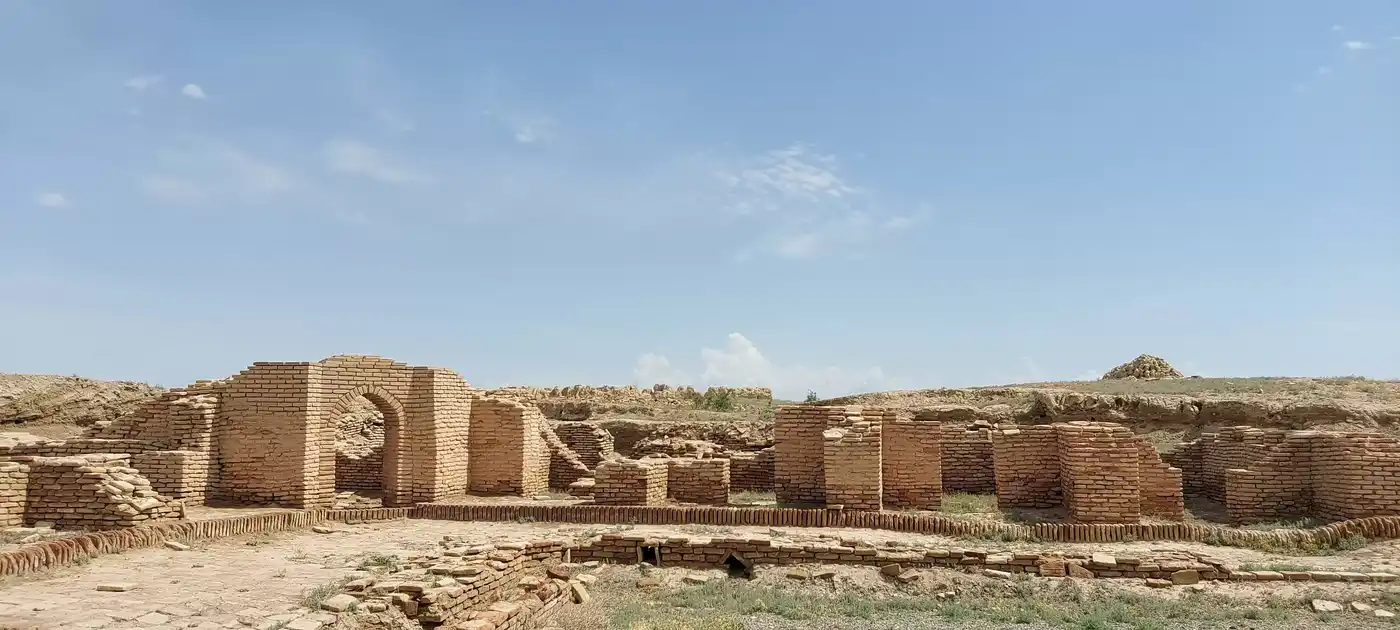
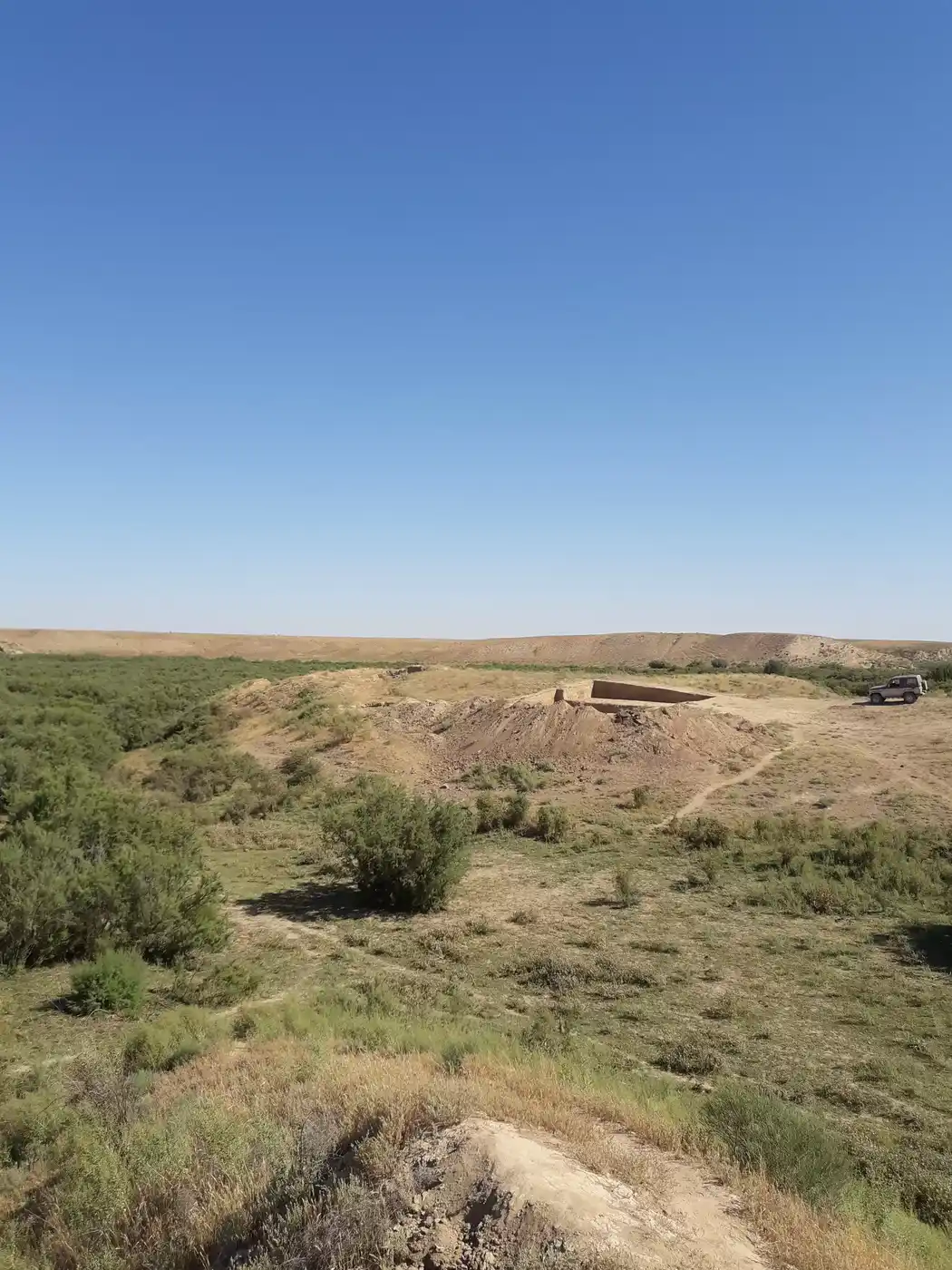
A two-day tour of the only active open-air archaeological sites in Central Asia, the ancient ghost cities of Otrar and Sauran. Both cities played a key strategic role in the region during the heyday of trade on the Great Silk Road. The history of ancient Otrar is associated with the invasion of Genghis Khan's troops and his siege in the 13th century. The history of Sauran is more associated with the formation of a nomadic state - the forerunner of the Kazakh Khanate. The tour is conducted from Shymkent or Turkestan. This tour includes also the world-famous burial complex of Arystan-Bab, as well as the Great Mausoleum of Khoja Ahmed Yasawi in Turkistan city.

Dildabek

Dildabek

Driver Tashkent City- Shymkent City Transfer Superhost

Drivers

Driver Tashkent City- Shymkent City Transfer

Individual/Group transportation from Tashkent city (cross border point with KZ) to Shymkent, Turkistan, Taraz, Almaty, Bishkek (Kg) by car or bus with English speaking driver (guide). Transportation in backward direction is possible.

Dildabek

Dildabek

English-speaking Driver Services South Kazakhstan

Drivers

English-speaking Driver Services South Kazakhstan

The driver and car are located in the city of Taraz, South Kazakhstan. 🌍 **What I offer:** Modern, comfortable car - manufactured in 2025 The cabin comfortably accommodates up to 4 passengers - ideal for a family or a small group of friends Safe and convenient travel throughout Kazakhstan Customized routes based on your interests – nature, history, cities, traditions English-speaking support – translation, advice, logistics Meeting at the airport, border, intercity trips, and multi-day tours 🗺️ **Popular destinations:** * Taraz → Shymkent → Turkestan * Customized routes upon request 📅 Open year-round. 📞 Contact me to discuss your route, ask questions, or get recommendations. I'd be happy to help make your trip to Kazakhstan comfortable and unforgettable!

Nurzhigit

Nurzhigit

Driver Around Shymkent To Historical And Natural Sites

Drivers

Driver Around Shymkent To Historical And Natural Sites

Places: Turkestan, Otrar, Sauran Ancient city, Akmeshit cave, Sairam, Karatau, Aksu Zhabagly Nature Reserve,

Islam

Islam

Rent A Toyota Land Cruiser For Trips In Central Asia

Rental Cars

Rent A Toyota Land Cruiser For Trips In Central Asia

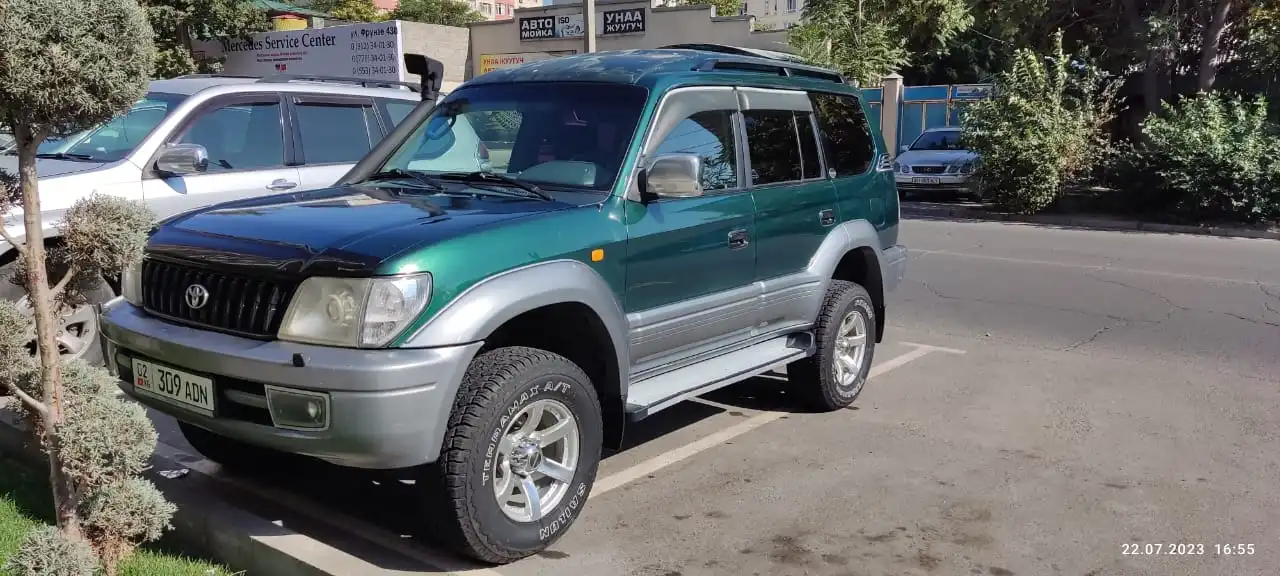
Dear Guest! I will be happy to provide my car for rent. It is a Toyota Land Cruiser Prado, which is considered one of the best off-road transport of all times and nations. My car is in a good condition and will not you lay down. The transmission is automatic, which makes it easy to drive for even not experienced drivers off-road and on highways. The car has low fuel consumption and good off-road abilities. The is ready to cross the borders in all Central Asian countries. Moreover, I will be in touch during your trip and will consult you for all your questions. I am supporting long-term relationships and am very flexible in price making. Thank you for choosing me and see you later! Best regards, Babur

Babur

Babur

From Taraz Shymkent -To The Bishkek Karakol

Transfers

From Taraz Shymkent -To The Bishkek Karakol

🔹 Your personal driver-guide in Kazakhstan and Kyrgyzstan 🔹 Location: Southern Kazakhstan, Taraz city Looking for a reliable and friendly driver-guide for your trip to Central Asia? I am Nurik, I offer: 🎯 Services and prices (EUR / day, including my meals and accommodation) Country Guide-driver (with my car) Kazakhstan 170 € Kyrgyzstan 170 € The cost may vary depending on the length of the route. I can also go with you in your car along the route through Uzbekistan and Tajikistan, since these are Russian-speaking former Soviet republics. 🚗 Routes and transfers Starting points: Taraz, Shymkent, Turkestan Popular destinations: Talas Bishkek (via border crossing) Karakol Transfer in the opposite direction is possible. On the way, we can stop wherever you need in nature, cozy cities and villages to feel the flavor of the region. 🗣️ Languages \u200b\u200bspoken Kazakh Russian Kyrgyz English (intermediate level) Ready for long-term cooperation and regular customers. The prices in the ad are starting and are valid for the first orders! ● How to book Leave a request on the site We will clarify the details of the route and confirm the departure date. Make an advance payment (10 % of the total cost of the tour). Get the route, driver contacts and go to the adventure! Are you ready to discover Central Asia? Book your tour today and go on a trip, full of discoveries and vivid emotions!

Nurzhigit

Nurzhigit

Transfer Tashkent - Shymkent Versa Superhost

Transfers

Transfer Tashkent - Shymkent Versa

Tashkent - Shymkent, Tashkent - Almaty & vice versa. All the directions, including the cities between them, such as Shymkent, Taraz, Turkistan. The final/starting point is the border of the country where you go, which is not far from that cities. Originally comfortable sedan car Toyota with 4 passengers seats is possible. But if needed minibus up to 15 persons is possible also.

Dildabek

Dildabek

Where to find hosts

New trip request

Plan your journey to Turkestan,
receive private proposals

1 Destination
2 Travellers
3 Details

Where are you headed? Choose your destinations and travel route.

Destinations

Start → End

Service needed

Tell us who's travelling so we can find the right guide and group size.

Adults

18 – 24

Young adults

0

25 – 34

Adults

2

35 – 54

Adults

0

55 – 70+

Seniors

0

Travel dates

Almost done. A few more details help guides send you a proposal that actually fits.

What are you hoping for?

Your contact